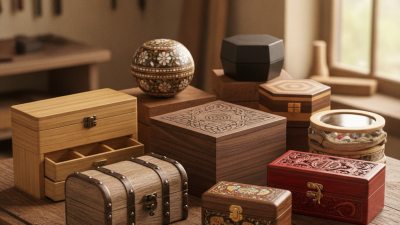
Why Choose a Woodworking Jewelry Box for Your Store?
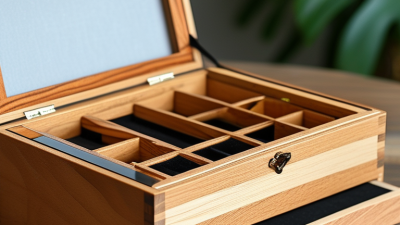
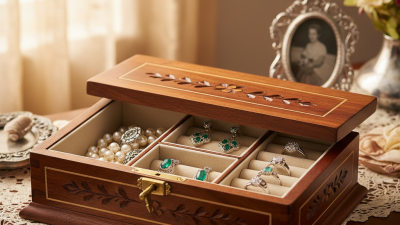
A Woodworking Jewelry Box can give your store something a standard case often cannot: a warm, tactile story customers can see and feel. Picture a walnut lid with visible grain, smooth hinges, and a soft-lined interior that protects rings and keepsakes. Those details make the box useful before it becomes a gift. It can also help your display feel more considered, especially beside metal, glass, or fabric accessories.
Woodworking specialist Daniel Mercer puts the appeal this way: “A good jewelry box lets the wood speak, while careful joinery makes it part of everyday life.” That idea matters at retail. Shoppers notice a clean lid fit, a drawer that glides without sticking, and a finish that feels smooth under the fingertips. They may also value differences in wood tone and grain. Not every piece will look identical. That is part of the charm, but it can make consistent product photography and stock planning harder.
For store owners, the strongest choice balances appearance with practical details: interior layout, hardware quality, finish durability, and reliable supply. Ask how each box is made and what care it needs. A beautiful box still needs honest product information. Small flaws deserve attention, too. A hinge that catches or a rough corner can weaken the impression quickly. Done well, a Woodworking Jewelry Box offers customers a lasting place for meaningful objects—and gives your store a product with texture, purpose, and a story worth telling.
What Defines a Woodworking Jewelry Box?
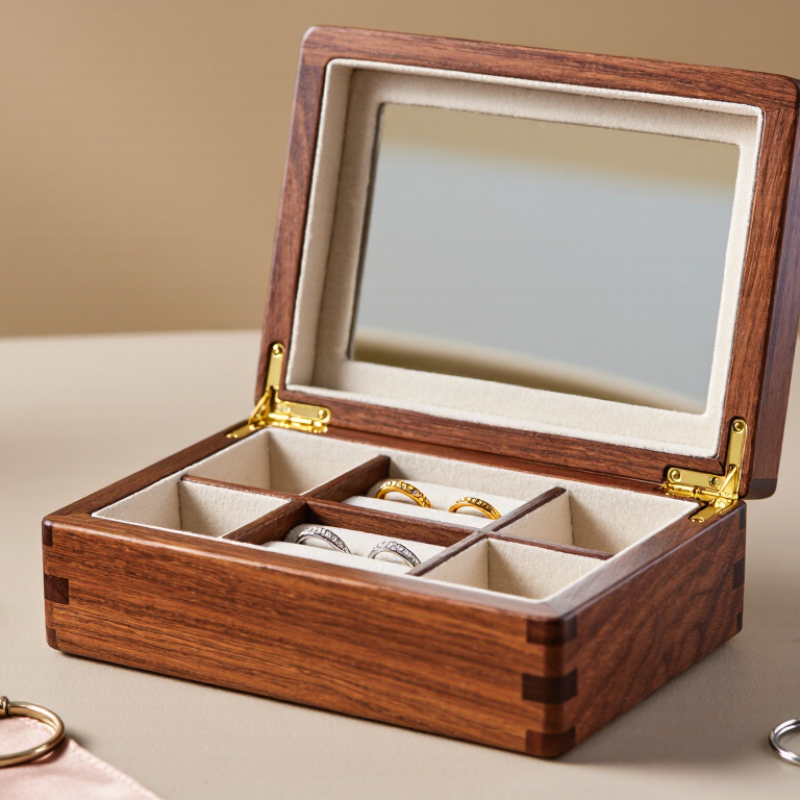
A woodworking jewelry box is a storage piece shaped and assembled from wood, not merely a container with a wood-look surface. Its character comes from the material and the workmanship: visible grain, close-fitting corners, a steady lid, and edges that feel smooth to the touch. The wood may be solid, veneered, or paired with other materials, so sellers should describe its construction accurately. Details matter. A box that looks refined in a photograph may feel awkward when opened.
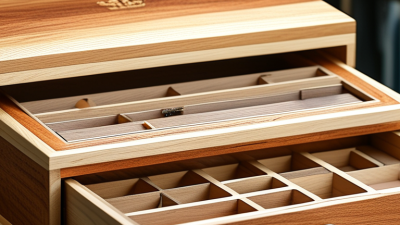
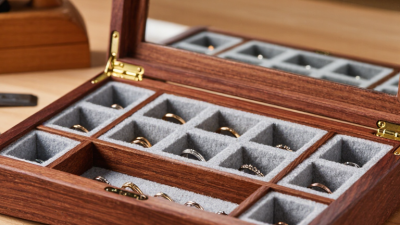
Inside, the design should protect jewelry as well as display it. Felt or soft fabric can help reduce scratches, while divided compartments keep chains, rings, and earrings from tangling. Hinges should support the lid, and drawers should slide without scraping. These are practical checks, not just decorative claims. Wood can respond to changes in humidity, and grain or color may vary between pieces. That variation can add character, though it may disappoint buyers expecting identical stock. I would inspect the lining, joinery, and closure in person; a beautiful finish cannot make up for a loose hinge. There is room for honest variation.
How Materials and Craftsmanship Shape Its Quality
A wood jewelry box can give a store’s display a warm, tactile quality that plastic or thin metal often lacks. The material matters. Dense woods such as maple and walnut generally resist everyday knocks better than softwood, though weight and price vary. Grain also makes each box slightly different. A customer may notice the fine lines on a lid before opening it.
Check how the box is built, not just how it looks. Even joints, a lid that closes without rubbing, and firmly seated hinges suggest careful work. Inside, a soft lining helps protect polished surfaces from scratches, while a removable tray keeps small pieces from sliding around. These details are practical, not merely decorative. Still, a glossy finish can hide uneven edges, so inspect corners and the underside too. Some natural grain variation may look like a flaw to a shopper expecting uniformity. Clear product descriptions and close-up photographs can set realistic expectations. In a store, sturdy construction and a useful interior often matter as much as a beautiful wood pattern.
Why Handmade Details Appeal to Jewelry Buyers
Handmade details make a wooden jewelry box feel chosen, not mass-produced. A visible grain line, softly rounded edge, or hand-fitted hinge gives shoppers something real to notice. They can picture a ring resting in a felt-lined slot, or a small pendant kept safe beneath a smooth lid. Those details turn storage into part of the gift. Small touches matter.
McKinsey & Company’s 2021 Next in Personalization report found that 71% of consumers expect personalized interactions, while 76% feel frustrated when they do not receive them. The research addresses personalization broadly, not jewelry boxes alone, so it should not be treated as proof of demand for handmade cases. Still, it points to the value of products that feel considered. A store can explain the wood, finish, and handwork clearly, helping buyers understand what makes each piece distinctive. Natural variation can also be a selling point, though some customers prefer a uniform finish. That difference is worth acknowledging. A tiny color shift or slightly uneven grain may charm one buyer and disappoint another.
How Wooden Jewelry Boxes Can Enrich a Store’s Assortment
Wooden jewelry boxes can add warmth and practical variety to a store’s assortment. Their grain, color, and joinery give shoppers something tactile beside glass or fabric displays. A small box with a hinged lid suits rings and earrings, while a deeper design can hold bracelets or keepsakes. Open one on the counter. The wood’s scent and smooth edges make the product feel considered, not disposable.
A range of sizes and finishes helps serve different budgets and tastes. Pale wood can brighten a compact display; darker tones create contrast with silver-colored pieces. Check that hinges move smoothly and lids sit evenly before stocking. Natural grain varies, and the finish may differ slightly between boxes. That variation can add character, though it may make a perfectly uniform display harder to achieve. Be honest about it when describing the collection.
Tips: Group boxes by size, then place one open sample near the front. Add a small card noting the interior lining and care instructions. Avoid packing every shelf tightly; shoppers should be able to lift a box and inspect its details.
What to Consider When Choosing Boxes for Retail
Why Choose a Woodworking Jewelry Box for Your Store?
A woodworking jewelry box can make a retail display feel warmer and more considered. But appearance is only part of the decision. Measure the pieces you plan to stock, including chunky rings and layered necklaces. Check whether compartments are deep enough and whether lids stay open without being propped up. Small details matter.
Ask for a sample before ordering in volume. Inspect the hinges, lining, edges, and finish under bright store lighting. Run a clean cloth over the wood; rough spots or loose fibers may catch customers’ attention. Compare the sample with the listed dimensions, too. A polished sample can still hide variation between units, so ask how consistency is checked. There is no perfect specification for every shop.
Consider shelf space, packaging, and daily handling. A box that looks substantial may be too heavy or wide for a crowded display. Choose a finish that suits your store and is practical to wipe clean. If boxes will be stacked, test whether they shift or scratch easily. Ask about lead times and replacement parts before committing. It can feel like overchecking, but a beautiful box is less useful if it arrives late or doesn’t fit the merchandise.
Why Choose a Woodworking Jewelry Box for Your Store?
A practical retail checklist for comparing jewelry boxes before placing an order.
Consider craftsmanship, protective lining, closure security, material sourcing, display appeal, and packaging durability when evaluating a box. The 1–5 scores are an illustrative assessment framework, not survey results; score each sample against your store’s needs.