Best Woodworking Jewelry Box Designs for Global Buyers?
In the realm of handcrafted treasures, the Woodworking Jewelry Box stands out. Experts like Jonathan Reynolds, a renowned artisan, emphasize its significance, stating, "Crafting a jewelry box is not just about storage; it’s about creating a legacy." Each design reflects personal history, culture, and artistry unique to its maker.
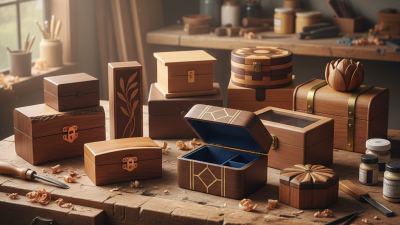
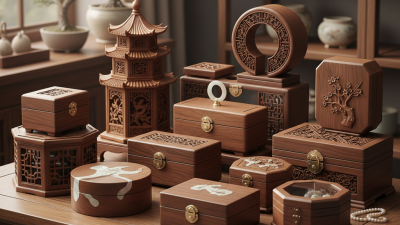
Woodworking Jewelry Boxes come in various styles. From intricate carvings to minimalist designs, they cater to diverse tastes. These boxes serve as more than storage; they encapsulate memories and sentiments. Often, buyers overlook the craftsmanship involved, which is both an art form and a science.
While many designs are stunning, not every box meets the highest standards of durability and aesthetics. Buyers should consider the materials used and the artisan's skill. Investing in quality ensures these boxes endure, standing the test of time. This consideration adds depth to purchasing decisions. Understanding these factors enriches the ownership experience. A perfect Woodworking Jewelry Box tells a story worth sharing.
Best Wood Types for Crafting Jewelry Boxes
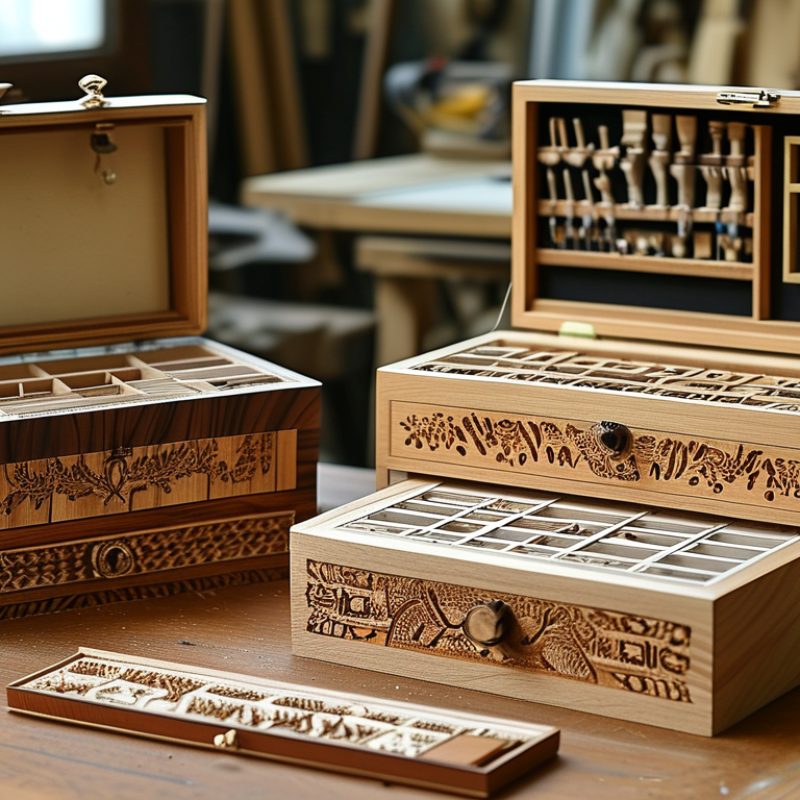
Choosing the right wood type for crafting jewelry boxes can significantly impact both aesthetics and longevity. Popular choices among woodworkers include mahogany, oak, and walnut. These woods offer durability and appealing grain patterns. According to the Wood Database, walnut provides excellent resistance to wear, while mahogany is praised for its rich color and stability.
Pine is often overlooked. It’s budget-friendly and easy to work with, but it may not have the same durability. Users frequently find that finely grained woods, such as cherry and solid maple, yield stunning finishes. However, these woods can be harder to source and more expensive due to their limited availability.
Consider the project’s purpose. For everyday use, choose a sturdier wood like oak. For decorative boxes, softer woods can allow for intricate designs. Always allow time for drying and finishing. This can be a perfect opportunity to reflect on your craftsmanship and enhance skills. An experienced woodworker emphasizes patience as key.
Unique Features of Woodworking Jewelry Box Designs
Woodworking jewelry boxes are more than just storage. They encapsulate uniqueness through various designs and craftsmanship. Each box tells a story with its materials, hues, and finishes. Handcrafted pieces often showcase intricate carvings or inlays, captivating buyers who value artistry.
One unique feature is customization. Buyers can opt for personalized engravings or tailored dimensions. This gives them ownership over the piece. Sustainability also plays a significant role. Eco-friendly materials appeal to environmentally-conscious consumers. Many artisans focus on responsibly sourced wood, enhancing the box's value.
However, not all designs are flawless. Some may lack durability or stability, leading to disappointment. It's essential to research the craftsmanship of individual artisans. Reflecting on functionality is crucial, too. A box might look stunning, yet fail to meet practical storage needs. Collectors should consider both aesthetics and usability for a satisfying purchase.
Best Woodworking Jewelry Box Designs for Global Buyers
Popular Styles and Themes in Jewelry Box Craftsmanship
Woodworking jewelry boxes come in various styles and themes, appealing to global buyers. Traditional craftsmanship remains popular, often featuring intricate carvings and natural finishes. A recent industry report highlighted that 40% of consumers prefer vintage designs, appreciating their connection to craftsmanship and history. Meanwhile, modern designs focus on minimalism, with clean lines and functional features, catering to a younger audience.
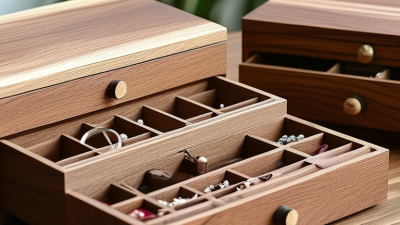
Nature-inspired themes are also prevalent. Many creators incorporate materials like walnut and cherry, showcasing their rich colors and grain patterns. These choices not only enhance aesthetics but also highlight sustainability. A survey indicated that 60% of buyers value eco-friendly materials, prioritizing them in their purchasing decisions. Combining function with beauty, many designs offer compartments tailored for various jewelry types, accommodating both casual and formal collections.
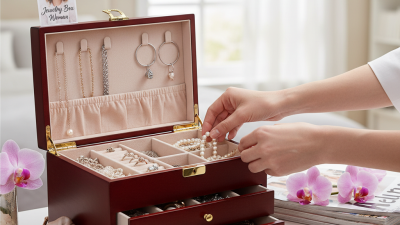
When selecting a jewelry box, consider functionality. Choose a size that fits your collection. If you have many necklaces, opt for boxes with hooks. For small items like earrings, look for designs with various compartments. Remember to assess your style; a box should reflect your personality. Lastly, consider the maintenance of your chosen materials. Some woods may require regular polishing, while others are more durable. This attention to detail ensures your jewelry box remains a cherished piece over time.
Tips for Choosing the Right Jewelry Box for Your Needs
Choosing the right jewelry box can be a challenge. Your needs dictate the size, style, and material of the box. Consider the type of jewelry you own. Do you have many rings, necklaces, or earrings? Different compartments work better for various items. A box with adjustable sections might suit your changing collection.
Material matters significantly. Wood adds a classic touch, while metal offers a modern edge. Think about where you will place the box. Will it be on a dresser or in a drawer? A larger box may look beautiful on display but could be impractical for limited space. Color and finish can enhance your decor or clash with it, so visualize your choices.
Don’t forget about functionality. A box should not only look good but also serve its purpose. Watch for mechanisms that may break easily. Secure locks can be beneficial for keeping valuables safe, but they can also complicate access. Consider your daily routine and how often you’ll use the box. Aim for a balance between design and practicality.
Sustainable Practices in Woodworking Jewelry Boxes Production
Sustainable practices in woodworking jewelry box production are essential for minimizing environmental impact. In recent years, the use of sustainably sourced timber has increased significantly. According to the Forest Stewardship Council, approximately 14% of the world’s forests are certified for sustainable management. This statistic highlights the industry's shift toward responsible sourcing. Utilizing reclaimed wood also supports sustainability. Reclaimed wood not only reduces waste but also adds unique character to each piece.
Water-based finishes are gaining popularity over solvent-based products. These eco-friendly finishes minimize harmful emissions. Studies show that over 70% of consumers prefer products with low environmental impacts. This preference drives manufacturers to adopt greener practices. However, challenges remain. Many artisans face higher costs when sourcing sustainable materials. This can lead to a reluctance to fully commit to eco-friendly practices.
Innovative designs often emerge from sustainable methods. For instance, modular designs allow for easy assembly and disassembly, enabling repairs without complete replacements. This approach promotes longevity among jewelry boxes, addressing concerns about durability. Despite these advancements, there is still a long way to go. Continuous education on sustainable practices is needed within the woodworking community. Embracing this knowledge will enhance the industry's reputation and encourage more consumers to support sustainable products.