China Top 10 Most Beautiful Woodworking Jewelry Box Designs?
Woodworking jewelry boxes are both functional and artistic. They serve as a safe haven for your treasured items. With a rich history in craftsmanship, these boxes reflect the beauty of nature and the skill of artisans.
In China, various designs showcase intricate details and unique styles. Each box tells a story, often inspired by cultural elements. The craftsmanship highlights the natural wood grain, transforming it into a piece of art. However, not every design captures the beauty perfectly. Some may overlook practicality, making it challenging to use. Such reflections help improve future designs, ensuring both form and function.
Among the top ten designs, each stands out in its own right. Some emphasize elegance, while others focus on simplicity. Choosing the right woodworking jewelry box involves considering personal style and functional needs. In the end, these boxes do more than store jewelry; they preserve memories and convey personal stories.
China's Rich History of Woodworking in Jewelry Box Design
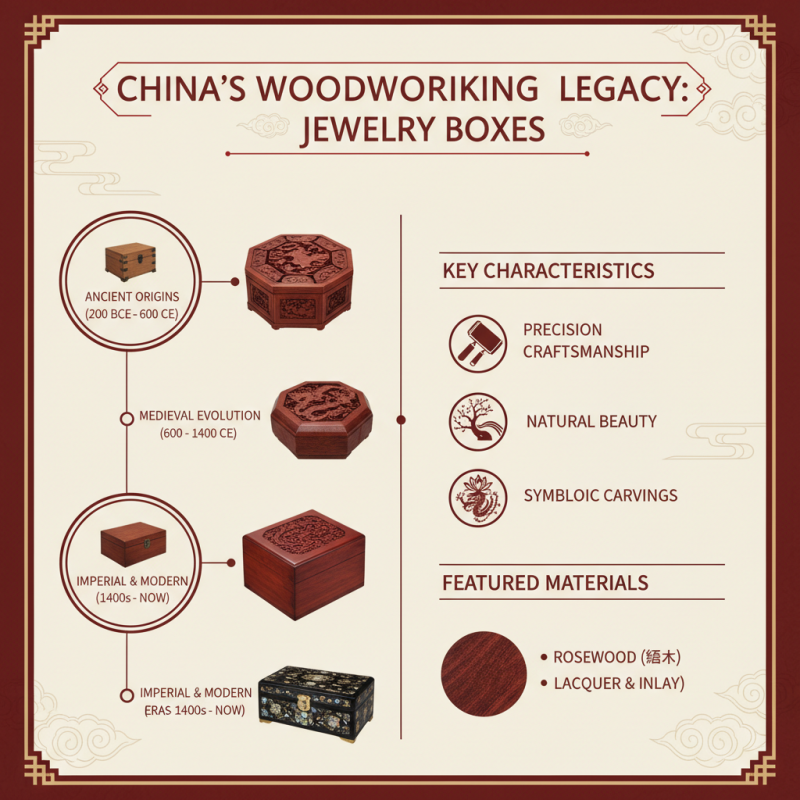
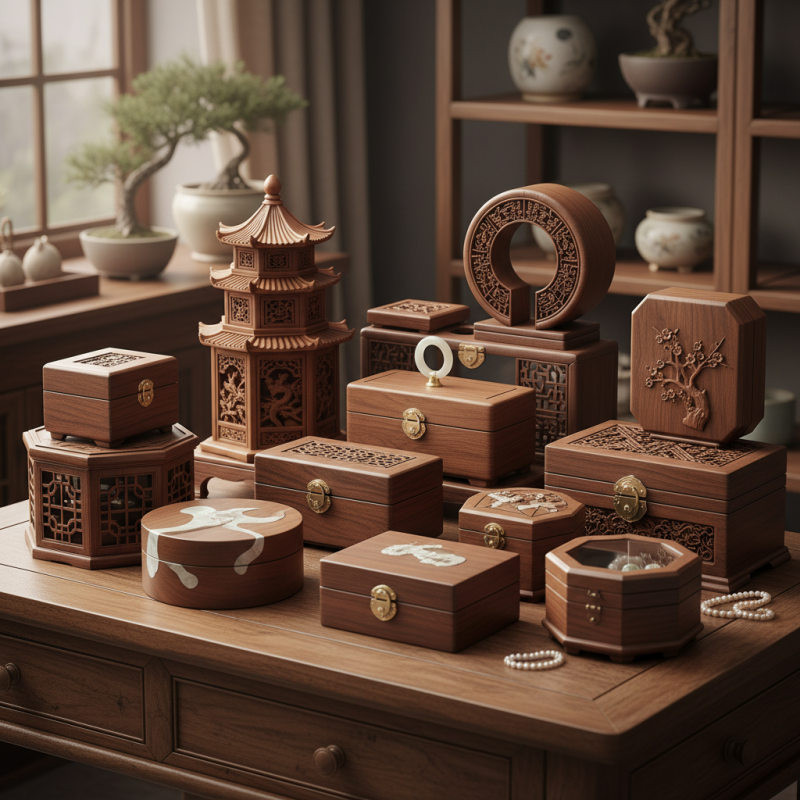
China has a long history of woodworking, particularly in jewelry box design. This craftsmanship has evolved over centuries, reflecting cultural and artistic changes. Traditional Chinese woodworking combines precision with natural beauty. Intricate carvings and rich materials like rosewood show great skill.
According to a report by the China Wood Industry Association, the woodworking market in China is projected to reach $250 billion by 2025. This growth highlights the increasing demand for quality craftsmanship. Jewelry boxes are not just functional; they are art pieces showcasing heritage.
Tip: When selecting a jewelry box, consider the type of wood used. Hardwoods often last longer and develop a beautiful patina over time.
The artistry in these designs can sometimes overshadow practical function. Some boxes may lack adequate space for larger items. Reflecting on this can lead to better choices for buyers. Emphasizing both form and function is crucial in choosing the right piece.
Tip: Inspect the details carefully. The best boxes will have smooth finishes and strong joints. Dents or rough edges can indicate poor craftsmanship.
Key Characteristics of the Most Beautiful Chinese Woodworking Jewelry Boxes
Chinese woodworking jewelry boxes are unique in design and craftsmanship. They often reflect rich cultural heritage. Key characteristics include intricate carvings and vibrant lacquer finishes. According to a report by the China Woodworking Industry Association, the market for wooden handicrafts has seen a growth of 15% annually over the last five years. This trend illustrates the rising appreciation for handcrafted items.
Artisans use natural materials like rosewood or mahogany. The patterns displayed can range from floral motifs to mythical creatures. These designs are not merely decorative; they tell a story. However, the fine detail requires skill that takes years to master. Many craftsmen struggle to find new generations willing to learn the trade.
Sustainability is gaining attention in the industry. Some artisans now source wood responsibly. Nevertheless, the balance between traditional methods and modern practices often leads to debates. Are these boxes losing their authenticity? This question remains relevant as the industry evolves. The beauty of Chinese woodworking jewelry boxes lies in this dialogue of tradition and innovation.
Top Materials Used in Chinese Woodworking Jewelry Box Craftsmanship
In the realm of woodworking, Chinese artisans stand out for their beautiful jewelry box designs. The craftsmanship reflects the use of high-quality materials that enhance both aesthetics and durability. Common woods include rosewood, sandalwood, and teak. Each type offers unique colors and grains. Sandalwood possesses a natural fragrance that adds an exquisite touch.
Tips: When choosing a jewelry box, consider the wood type’s properties. For example, rosewood is dense and resistant to moisture. This feature makes it ideal for protecting delicate items.
In addition to wood, lacquer and metal inlays are often utilized. Lacquer adds a glossy finish and can include intricate patterns. Metal inlays like brass create stunning contrasts. Artisans demonstrate skill in combining these materials, leading to visually striking designs.
It’s essential to recognize imperfections in these creations. Sometimes, knots in the wood may be viewed as flaws, but they add character. Embrace these imperfections; they make each piece unique and tell a story.
China Top 10 Most Beautiful Woodworking Jewelry Box Designs
| Design Name |
Main Material |
Dimensions (cm) |
Special Features |
| Lotus Blossom |
Rosewood |
25 x 15 x 10 |
Intricate carvings of lotus flowers |
| Phoenix Empress |
Teak |
30 x 20 x 12 |
Inlaid with jade accents |
| Mountain Retreat |
Walnut |
28 x 18 x 11 |
Landscape painting on the top |
| Cherry Blossom Dreams |
Cherry Wood |
26 x 16 x 9 |
Hand-painted cherry blossoms |
| Imperial Treasure |
Bamboo |
32 x 22 x 13 |
Gold leaf detailing |
| Dragon Guardian |
Linden Wood |
29 x 19 x 10 |
Dragon carvings and filigree |
| Celestial Patterns |
Maple |
27 x 17 x 8 |
Astrological designs |
| Whispering Pines |
Cedar |
24 x 14 x 9 |
Scented wood with pine motifs |
| Silk Road Fantasy |
Sandalwood |
31 x 21 x 11 |
Textiles from the Silk Road incorporated |
| Crimson Jewel |
Mahogany |
30 x 20 x 10 |
Ruby red lacquer finish |
Market Trends: Demand and Popularity of Jewelry Boxes in China
The demand for beautiful woodworking jewelry boxes is rising in China. These boxes serve not just as storage but also as decorative pieces. Unique designs often reflect cultural heritage, drawing interest from both younger and older generations.
Artisans are experimenting with various wood types, carving intricate patterns. The result is a blend of tradition and modern aesthetics.
Tips: Consider the craftsmanship behind each box. Look for unique features that resonate with personal style. Quality materials enhance both durability and visual appeal.
Market trends indicate evolving tastes. Consumers prefer handmade items over mass-produced alternatives. This shift emphasizes authenticity and personal touch. However, with increasing demand comes the risk of shortcuts in craftsmanship. It’s crucial to evaluate the source of these products. Support local artisans who uphold high standards.
A stunning jewelry box can transform storage into an art form. It’s not just a place for jewelry; it’s a conversation starter. A well-chosen box reflects the owner's personality. So, explore different designs and find the one that truly speaks to you.
A Review of Awards and Recognition for Chinese Woodworking Artisans
Chinese woodworking artisans are gaining recognition on the global stage. The artistry in their jewelry box designs reflects deep cultural roots and aesthetic finesse. According to a recent report from the China National Arts and Crafts Society, over 70% of artisans have won regional awards. This increases appreciation for traditional craftsmanship.
The International Woodworking Fair in 2022 showcased designs that were both innovative and rooted in tradition. Many boxes feature intricate carvings, which highlight regional themes. Despite these accolades, some artisans face challenges. A survey indicates that only 30% of artisans feel adequately supported by government initiatives. The need for better marketing strategies remains critical.
Outstanding craftsmanship has its risks. The balance between tradition and modern demand can be tricky. While awards validate skill, many artisans struggle to reach broader markets. The potential for growth in this sector is substantial, but it calls for strategic thinking and collaboration. In a rapidly changing world, reflecting on these challenges is essential.
China Top 10 Most Beautiful Woodworking Jewelry Box Designs