Top 10 Woodworking Jewelry Box Designs to Inspire Your Next Project?
Woodworking Jewelry Boxes are more than just storage solutions. They are a blend of artistry and functionality. According to a report by the American Association of Woodworkers, the demand for handcrafted wooden items has surged by 45% over the last five years. This trend highlights the growing appreciation for unique craftsmanship.
Creating a woodworking jewelry box allows artisans to showcase their skills and creativity. Each piece can reflect the woodworker's style, utilizing various woods, finishes, and designs. A well-crafted box can be a personal statement or a cherished gift. Despite this, not every project results in perfection. Each attempt offers valuable lessons in design, structure, and technique.
As you explore different designs, remember that inspiration can come from both challenges and successes. Embrace the imperfections along the way. The process itself enhances your woodworking expertise. Your next project could very well be a meaningful and elegant woodworking jewelry box that resonates with your personal journey.
Top 10 Essential Features in Woodworking Jewelry Box Designs
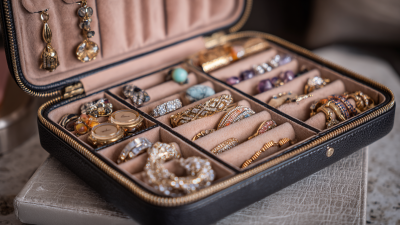
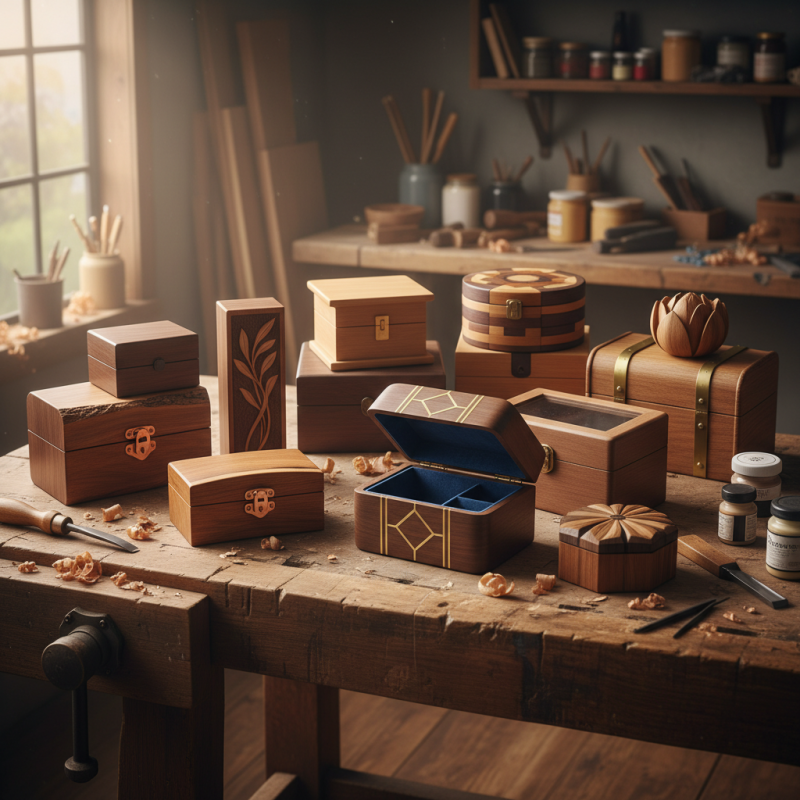
When designing a woodworking jewelry box, certain features stand out for their practicality and beauty. Consider using a soft, plush lining inside. This protects delicate items from scratches. A hidden compartment adds a touch of mystery. It also provides extra storage for smaller pieces.
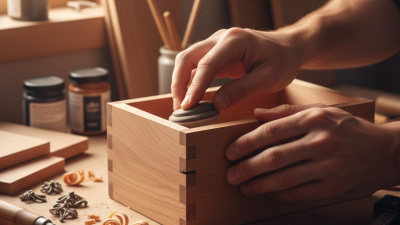
Incorporating unique joinery techniques can elevate the appearance of your design. Dovetail joints not only add strength but also showcase craftsmanship. Personalization options, such as laser engraving, can make your box special. Custom motifs or names can bring a personal touch. Balance aesthetics with functionality.
Tip: Always measure your jewelry before starting the project. This ensures a proper fit without overcrowding. Mistakes happen, such as miscalculating space or dimensions. Embrace these learning moments; they lead to better designs. Keep tools sharp and organized. A clean workspace fosters creativity and reduces errors.
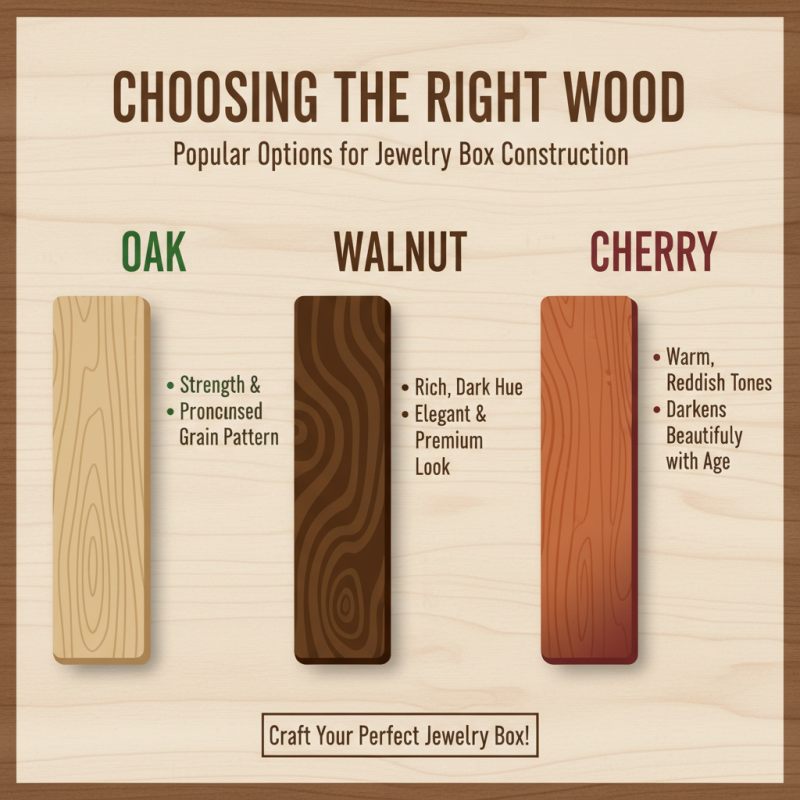
Choosing the Right Wood: Popular Options for Jewelry Box Construction
When crafting a jewelry box, the choice of wood is crucial. Different woods offer unique aesthetics and durability. Popular options include oak, walnut, and cherry. Each type has distinct characteristics. Oak is known for its strength and attractive grain, while walnut provides a rich, dark hue. Cherry wood has a warm and inviting color that darkens with age.
Consider your project's purpose when selecting wood. If the jewelry box will hold lightweight items, softer woods like pine could work. For heavier pieces, hardwoods are more suitable. The weight of the box affects its design and stability. A lighter wood may require more reinforcement.
Tips for woodworking:
1. Test various finishes on scrap pieces. This helps reveal how different woods react.
2. Measure twice, cut once. Accuracy saves time and materials.
3. Embrace imperfections. They add character to the project and can enhance its story.
Wood selection requires patience and reflection. Each choice alters the box's final appearance and function. Make sure to experiment and learn from your process.
Finishing Techniques: Enhancing Durability and Aesthetics in Projects
When creating a woodworking jewelry box, finishing techniques play a vital role. The right finish enhances the durability of the wood and elevates its beauty. Consider using oil-based finishes to achieve a rich depth in color. These finishes penetrate the wood, offering protection against moisture and wear. A light sanding between coats smooths the surface, ensuring a professional look.
However, finishing can be tricky. Achieving an even coat requires practice. Sometimes, stains can blotch, leaving unsightly marks. Test finishes on scrap wood first to avoid surprises. Water-based finishes dry quickly, but they may raise the grain. This can lead to additional sanding and more work. Finding a balance is essential.
Ultimately, the finishing process can be a learning experience. Every project offers lessons in technique and application. Some finishes will surprise you with their effects, both good and bad. Celebrate the imperfections; they tell the story of your craftsmanship and personal touch. Embracing these challenges will lead to more refined skills in your future projects.
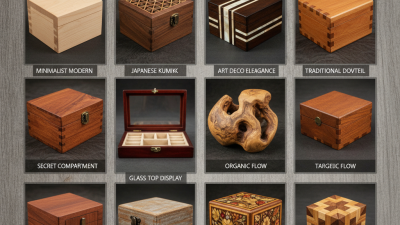
Top 10 Woodworking Jewelry Box Designs to Inspire Your Next Project
| Design Name |
Materials Used |
Dimensions (inches) |
Finishing Technique |
Durability |
| Elegant Walnut Box |
Walnut, Maple |
12 x 8 x 5 |
Oil Finish |
High |
| Rustic Cedar Box |
Cedar |
10 x 6 x 4 |
Varnish |
Medium |
| Contemporary Birch Box |
Birch, Pine |
11 x 7 x 3 |
Lacquer |
High |
| Classic Oak Box |
Oak |
14 x 9 x 6 |
Shellac |
Very High |
| Vintage Pine Box |
Pine, Cherry |
9 x 5 x 3 |
Beeswax Finish |
Medium |
| Art Deco Box |
Mahogany, Glass |
13 x 8 x 5 |
Polished Finish |
High |
| Bohemian Bamboo Box |
Bamboo |
10 x 10 x 4 |
Natural Stain |
Medium |
| Minimalist Maple Box |
Maple |
12 x 12 x 5 |
Clear Coat |
High |
| Nature-Inspired Box |
Various woods |
15 x 10 x 6 |
Custom Finish |
Very High |
| Luxury Inlaid Box |
Walnut, Birch, Brass |
11 x 8 x 4 |
Gloss Finish |
Very High |
Trends in Jewelry Box Design: Embracing Modern vs. Traditional Styles
Jewelry box design is evolving, with two clear styles emerging:
modern and traditional.
Modern designs often feature sleek lines and minimalist aesthetics.
They use materials like acrylic and metal, fostering a fresh, contemporary vibe.
These boxes often embrace functionality, prioritizing clever storage solutions.
They appeal to a younger audience looking for practicality with style.
On the other hand, traditional jewelry boxes highlight craftsmanship.
They showcase rich wood grains and intricate carvings.
A traditional box has a timeless charm that resonates with nostalgia.
The artwork reflects the maker's skills, emphasizing quality over quantity.
While modern designs serve practicality, they may lack the emotional connection found in traditional pieces.
Choosing between these styles can be challenging.
Sometimes, a blend of both can create a unique piece. Reflecting on personal taste is essential.
Think about what resonates with you.
Do you lean towards the functionality of modern designs or the artistry of traditional ones?
Each box tells a story, inviting reflection on what’s inside as well as the design itself.
This balance is what makes woodworking jewelry boxes so captivating.