How to Choose the Best Storage Box for Your Needs?
Choosing the right Storage Box can seem daunting. Experts like Jane Smith, a storage organization consultant, emphasize, "The perfect storage solution fits your unique lifestyle." Understanding your needs is essential.
Different lifestyles require different storage solutions. For instance, a family with toys may prioritize durability. A college student, however, may look for portability. Each situation demands careful consideration.
Quality matters too. A Storage Box that is sturdy and weather-resistant can protect your belongings. On the other hand, cheaper options may fall short, leading to regret later. Reflect on your priorities and avoid rushing into a decision. The right choice can simplify your life significantly.
What to Consider When Assessing Your Storage Needs
When assessing your storage needs, consider size, material, and intended use. Research shows that over 30% of homes struggle with clutter, suggesting many lack effective storage solutions. Start by measuring your available space. Knowing your dimensions can help avoid purchasing boxes that don’t fit.
Material choice is crucial. Plastic and wood are popular, but each serves different needs. For example, lightweight plastic boxes are ideal for flexible spaces. Conversely, sturdy wooden boxes provide longevity and are often more aesthetically pleasing. According to a recent industry study, 72% of consumers prefer storage solutions that combine functionality with style.
Don’t overlook the purpose of your storage. Are you storing seasonal items or everyday essentials? Consider ease of access. Studies indicate that 65% of people forget what’s in their storage spaces. This shows the importance of labeling and organization. By thoughtfully evaluating these factors, you can select the best storage boxes tailored to your requirements.
Comparing Different Materials for Storage Boxes: Pros and Cons
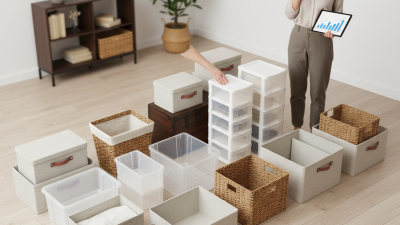
When it comes to choosing a storage box, material plays a crucial role. Plastic boxes are lightweight and resistant to moisture. They are perfect for storing seasonal clothing or children's toys. However, over time, they can become brittle, especially with exposure to UV light. This could lead to cracks, ultimately compromising their structural integrity.
Cardboard boxes are another common option. They are affordable and easy to find. They're great for lightweight items or documents. Unfortunately, they can be susceptible to water damage. A slight spill can ruin important papers. Plus, cardboard can attract pests, which is a valid concern in certain environments.
Wooden storage boxes convey a sense of sturdiness and elegance. They can withstand years of use if properly maintained. However, this material is often more expensive. Wooden boxes can warp in humid conditions. Regular maintenance is necessary to prevent wear and tear. Each option has distinct advantages and disadvantages, requiring thoughtful consideration based on your specific storage needs.
How to Choose the Best Storage Box for Your Needs?
| Material |
Pros |
Cons |
Best For |
| Plastic |
Durable, waterproof, lightweight |
Can become brittle over time, may not be eco-friendly |
Outdoor use, storing food items |
| Cardboard |
Inexpensive, lightweight, customizable |
Not waterproof, less durable than other materials |
Short-term storage, lightweight items |
| Wood |
Sturdy, aesthetically pleasing, good insulation |
Can be heavy, may be costly |
Long-term storage of valuable items |
| Metal |
Highly durable, fireproof, secure |
Heavy, can rust if not coated |
Storing tools, hazardous materials |
| Fabric |
Lightweight, foldable, available in various designs |
Not waterproof, can wear out over time |
Storing clothing and blankets |
Understanding Size and Capacity: How Much Space Do You Really Need?
When selecting a storage box, understanding its size and capacity is crucial. Many people underestimate how much space they actually need. A box that seems spacious may not accommodate large items or bulky shapes. Before making a choice, assess the dimensions of the items you plan to store. Measure your belongings, and consider how they can fit together. This helps in deciding whether to opt for a larger box or a series of smaller containers.
The total capacity of a storage box can sometimes be misleading. A box labeled as “large” may not have the optimal internal dimensions for your needs. For example, a high but narrow box may fit tall items but not wider ones. Consider the layout of your storage space too. A box that fits well can maximize usage, while an awkward fit may become an eyesore. If you find yourself frequently rearranging or struggling with your storage, it's time to rethink your choices.
While it may be tempting to choose the biggest option available, reflect on your storage habits. Sometimes, smaller boxes encourage organization. Disorganization can stem from having too much space. Items end up scattered and lost. Evaluate your collection; not everything needs a place. Efficient storage doesn’t just mean more space; it means smarter choices to keep your environment tidy.
Evaluating Temperature and Humidity Resistance for Long-Term Storage
When it comes to long-term storage, temperature and humidity resistance is crucial. Many materials can deteriorate under unfavorable conditions. For instance, a study by the Institute of Conservation states that heat can cause plastic containers to warp, while moisture promotes mold growth. It is essential to select storage boxes made from materials that can withstand varying temperatures, ideally ranging from 32°F to 120°F (0°C to 49°C) for optimal protection.
Understanding humidity levels is equally important. The optimal humidity for storage is generally between 30% and 50%. Boxes that allow air circulation can help manage humidity. However, not all boxes have this feature, leading to potential damage. Research from the National Archives indicates that items stored in high humidity environments risk significant degradation over time. Choosing a box with desiccant packets can help maintain the desired moisture levels.
In practice, evaluating specific needs is essential. Often, people overlook the environmental conditions where their storage boxes will be placed. For example, a basement may have higher humidity compared to an attic. This allows for better decision-making in box material selection. Comprehensive research and consideration of environmental factors can significantly increase the longevity of stored items.
Cost-Effectiveness: Analyzing the Best Storage Box Options for Your Budget
When evaluating storage boxes, cost-effectiveness is key. You want to assess various options that meet your needs while staying within budget. Often, people overlook storage boxes that offer versatility. Choosing multi-functional boxes can save you money and space. For example, a box with dividers can help organize small items efficiently.
Consider the material as well. Plastic storage boxes are usually lighter and more durable than cardboard. However, they may be pricier. Weigh the costs against how long you expect to use the boxes. If you need them for a one-time event, cardboard may suffice. But for long-term storage, investing in quality is wise.
Lastly, think about the size. A large box might seem economical, but it can lead to clutter. Filling a big box with unorganized items does not maximize space effectively. Small, stackable boxes could provide a more efficient solution, although they may require purchasing more units upfront. Balancing your immediate needs with future use will lead you to the best financial decision.
Cost-Effectiveness of Different Storage Box Options