Top 10 Storage Box Options for Global Buyers to Consider?
In today’s fast-paced world, the demand for efficient storage solutions is paramount. Storage boxes have become essential for organizing homes and offices alike. According to a recent report by Grand View Research, the global storage box market is projected to reach $10 billion by 2027. This significant growth underscores the importance of selecting the right storage options to meet various needs.
Consumers are increasingly seeking versatile storage boxes that adapt to their lifestyles. The COVID-19 pandemic has accelerated trends in remote work and home organization. As people prioritize decluttering, the use of storage solutions has surged by over 30% in the last two years. This shift reveals a need for innovative and quality storage boxes that cater to diverse buyer preferences.
However, not all storage options are created equal. Some products may compromise durability for cost-effectiveness. It’s vital for buyers to consider materials, design, and functionality. A reliable storage box should enhance organization while standing the test of time. Navigating this market might seem daunting, but understanding key features can lead to smarter purchases.
Top 10 Storage Box Options for Global Buyers to Consider
When searching for storage boxes, global buyers have diverse needs. From homes to offices, the right storage solution can transform spaces. Focus on size, material, and design while selecting storage boxes. Different settings require different features. For example, a durable box is essential for outdoor use, while decorative options suit indoor settings.
Tips: Consider measuring your available space before purchasing. This ensures the box will fit as intended. Think about the contents as well. Some items may require breathability or protection from moisture.
Affordable options often come with trade-offs. Quality may suffer for a lower price. Buyers should weigh these factors carefully. It might be worth investing in slightly pricier options that offer better durability. Researching user reviews can help identify products that truly stand the test of time.
Additionally, think about organization. Some boxes have sections or compartments. This helps in keeping smaller items tidy. However, one large box might encourage clutter. Balance is key when making a decision.
Top 10 Storage Box Options for Global Buyers to Consider
| Storage Box Type |
Material |
Dimensions (L x W x H) |
Capacity (L) |
Price (USD) |
| Plastic Storage Box |
Polypropylene |
50 x 40 x 30 cm |
60 |
25.00 |
| Cardboard Storage Box |
Recycled Paper |
40 x 30 x 20 cm |
25 |
10.00 |
| Wooden Storage Box |
Pine Wood |
60 x 40 x 30 cm |
70 |
45.00 |
| Fabric Storage Box |
Canvas |
50 x 30 x 30 cm |
40 |
20.00 |
| Metal Storage Box |
Steel |
60 x 40 x 30 cm |
80 |
60.00 |
| Stackable Storage Box |
Plastic |
55 x 40 x 30 cm |
65 |
30.00 |
| Under-Bed Storage Box |
Plastic |
80 x 40 x 20 cm |
90 |
35.00 |
| Decorative Storage Box |
Wood & Fabric |
30 x 30 x 30 cm |
15 |
25.00 |
| Clear Storage Box |
Plastic |
50 x 40 x 40 cm |
80 |
28.00 |
| Collapsible Storage Box |
Fabric |
45 x 30 x 30 cm |
30 |
18.00 |
Factors to Evaluate When Choosing Storage Boxes
When selecting storage boxes, factors such as durability, design, and size play a vital role. Durable materials ensure longevity, especially in fluctuating climates or busy environments. Consider how the box will be used. If it holds heavier items, the material should resist wear and tear. Plastic and metal often provide strength, while cardboard may work for lighter uses.
Design is equally important. A box that is difficult to stack or awkwardly shaped can waste space. Look for options with clear labeling areas or see-through panels. This feature aids in organizing and accessing items promptly. Size also matters; it should fit your needs without consuming excessive space. Always gauge your storage requirements carefully, as the wrong size can lead to inefficiency.
Evaluate the aesthetic appeal as well. A practical choice can still enhance your space. Reflect on colors and styles that align with your environment. However, perfection is seldom achievable. Reflect on past choices that may have led to clutter or wasted resources. Consider your budget limitations, balancing cost with quality. Every small decision impacts efficiency and satisfaction.
Material Types and Their Impact on Storage Box Functionality
When choosing storage boxes, material type plays a crucial role. Plastic is durable and lightweight, often favored for its resilience against moisture and pests. It is ideal for both indoor and outdoor use. However, over time, plastic can become brittle under UV exposure. Cardboard offers a more eco-friendly option, though it is less durable and susceptible to water damage. Care must be taken if using it for long-term storage, as its lifespan is limited.
Wooden boxes exude charm and sturdiness. They can withstand a fair amount of wear and tear, making them suitable for heavy items. However, they can be prone to rotting if not properly treated. Metal storage boxes provide exceptional security and strength. Yet, they can be heavy and might rust if exposed to moisture.
Tips: When selecting storage boxes, consider the items to be stored. Ensure materials are tailored to their needs. Also, evaluate the storage space for weight and size limitations. For longer-term solutions, protective measures like liners can enhance durability. Combining different materials can optimize both aesthetics and functionality, addressing specific storage challenges effectively.
Top 10 Storage Box Options for Global Buyers
Comparative Analysis of Popular Storage Box Designs
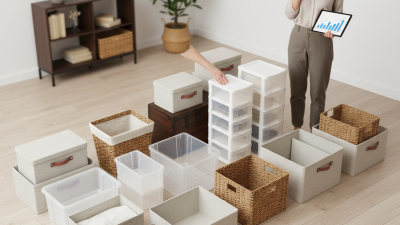
When considering storage box designs, a few trends stand out. Durable materials are crucial. Many buyers prefer options made from eco-friendly plastic or sturdy cardboard. These materials provide longevity while also being lightweight. Each material has its pros and cons, making it essential to think about usage. Cardboard boxes are great for short-term needs, but they may wear out quickly.
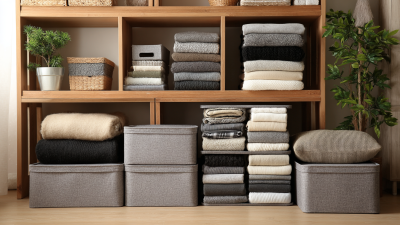
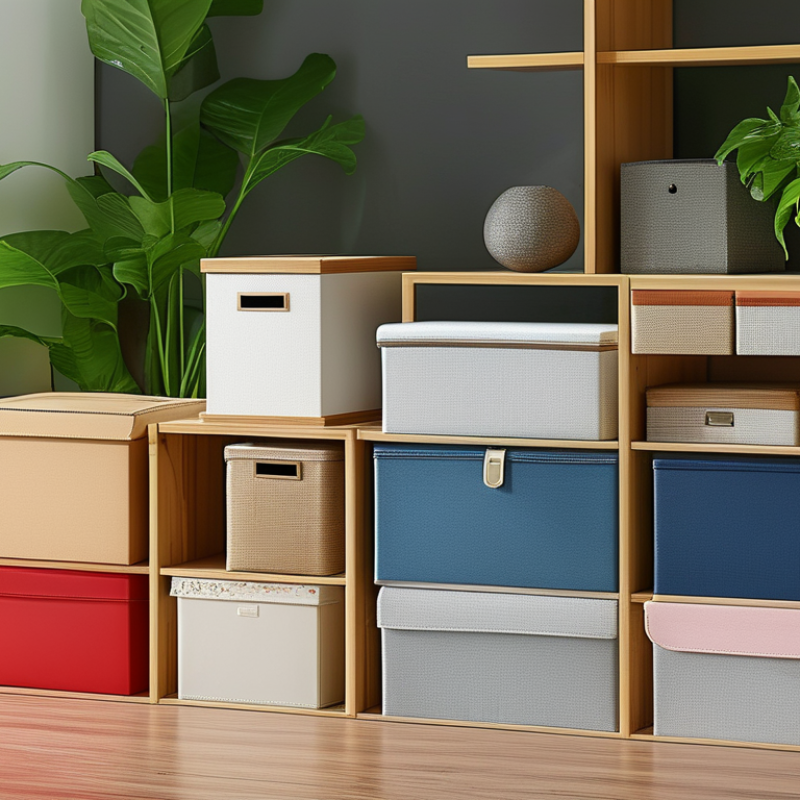
Aesthetic appeal is another vital aspect. Storage boxes come in various colors and patterns. Some are designed to blend seamlessly with home decor. Others stand out as decorative pieces. This choice often reflects personal taste. However, it’s important to balance style with functionality. A beautiful box that lacks sturdiness might not be ideal for long-term use.
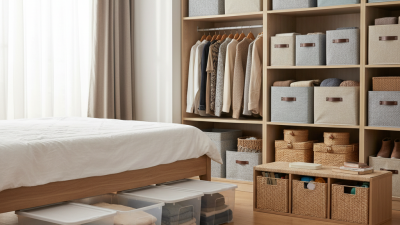
Lastly, consider the size and shape. Boxes come in various dimensions. Some are cube-shaped, while others are elongated. Think about where you plan to use them. A box that fits perfectly under a bed might not work on a shelf. Also, keep in mind potential clutter. Assessing storage needs can avoid overwhelming spaces. Each design has valuable lessons. The right choice isn't always obvious.
Cost Considerations for Budget-Conscious Buyers
When considering the purchase of storage boxes, budget constraints play a crucial role. Professionals in the storage industry suggest that prices can vary widely depending on size and materials. For instance, according to a report by the Storage & Organization Association, average costs for quality storage solutions range from $10 to $50. Higher-end options can soar above this, particularly for specialty items.
Cost-effective choices often include simpler designs made from cardboard or plastic instead of pricier materials like wood or metal. These options can still provide durability without breaking the bank. It’s important to assess your needs; sometimes, a basic box is all that’s required.
Tip: Evaluate how many boxes you genuinely need. Purchasing in bulk can lead to discounts. Look for promotions during off-peak seasons to maximize savings.
An important consideration is the long-term value of your investment. According to research by the International Housewares Association, buyers should consider longevity over initial cost. Cheaper options may not perform well over time. Thus, weighing quality against price is vital for ensuring that your purchases remain functional for years.