Choosing the right Wooden Box is no longer only a matter of appearance. Buyers now expect protection, traceability, responsible sourcing, and reliable delivery. Grand View Research estimates that the global wood packaging market was worth approximately USD 4.9 billion in 2023. Its report also projects steady growth through 2030, supported by e-commerce, food, beverage, and premium product packaging.
Demand is expanding.
However, market growth does not make every wooden box a smart choice. A box may look elegant while using weak joints, poorly dried timber, or unsuitable interior materials. The Food and Agriculture Organization’s Global Forest Resources Assessment 2020 states that forests cover about 31% of the world’s land area. That figure reinforces the need to examine timber origin, material efficiency, and reuse potential before purchasing.
Details matter.
This guide presents 10 practical tips for selecting a Wooden Box with greater confidence. It considers wood species, moisture resistance, load capacity, surface treatment, hinges, closures, internal cushioning, customization, sustainability claims, and total cost. These factors reflect common quality checks used by packaging professionals and experienced manufacturers.
No checklist is perfect. Product weight, shipping distance, climate, and handling conditions can change the best decision. I have also learned that attractive grain cannot compensate for poor construction. Therefore, each recommendation should be tested against the box’s real purpose, not only its showroom appearance. The goal is simple: choose packaging that protects its contents, supports your brand, and performs consistently from the workshop to the customer’s hands.
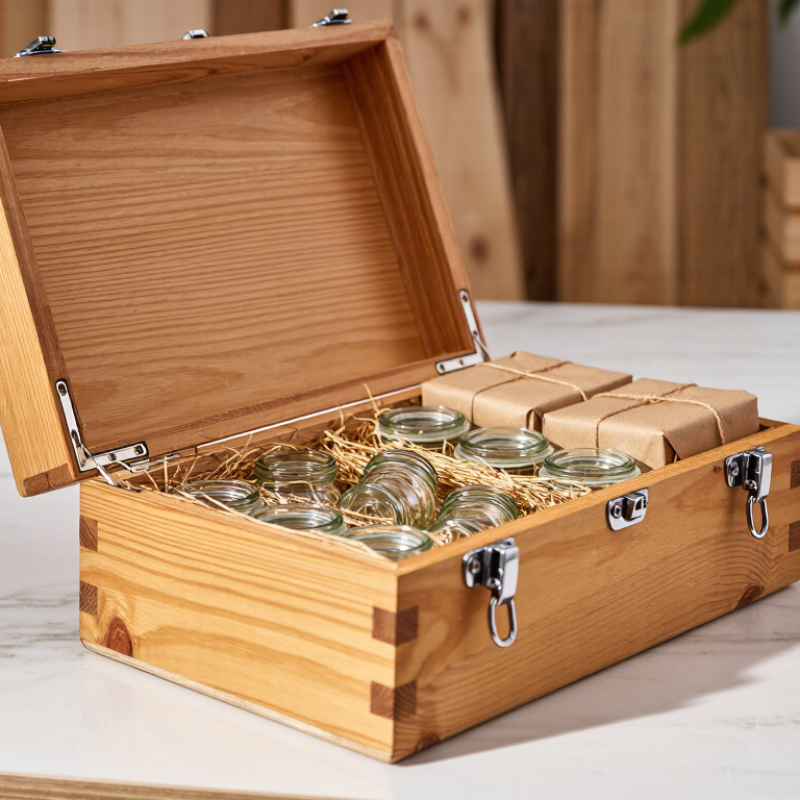
The best wooden box begins with a clear purpose. Will it store documents, protect a delicate instrument, display gifts, or organize tools? Each use demands different materials and features. Measure the contents, including handles, cables, or protective wrapping. A box that fits too tightly may damage items during removal. I have learned that “almost the right size” usually becomes inconvenient.
Consider the box’s working environment. Indoor storage may need only a smooth finish and reliable hinges. Humid rooms require sealed joints, moisture-resistant treatment, and airflow where appropriate. For heavy contents, check the wood thickness, base support, and handle strength. Test the lid several times. It should open smoothly without scraping or dropping suddenly. Small details matter. A soft lining can prevent scratches, while dividers stop objects from colliding.
Security and maintenance also define the required features. Choose a dependable closure that matches the storage purpose, not merely the appearance. Ask whether the box needs labeling space, stackable edges, removable compartments, or concealed fasteners. Inspect corners and joints carefully. I once focused too much on attractive grain and overlooked a weak bottom panel. That mistake was avoidable. Finishes can also affect indoor air quality, so request clear material information and follow the maker’s care instructions. Avoid assumptions. Wood can warp, stain, or crack when its environment changes.
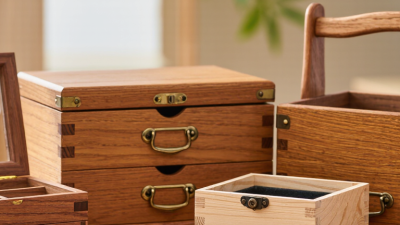
Choose wood by the load, not by appearance alone. Hardwood usually offers greater density and impact resistance. Softwood can reduce weight and cost. The USDA Forest Products Laboratory’s Wood Handbook reports that wood strength changes with species, grain direction, moisture, and defects. That detail matters. A beautiful knot can become a weak point.
Check moisture before buying. The same handbook places wood’s fiber saturation point near 30% moisture content. Below that level, wood continues shrinking as it dries. Poorly seasoned boards may warp around hinges or split near screws. Ask for kiln-dried material when stable dimensions matter. Measure several boards, not just one. Moisture meters are inexpensive, but readings can vary with temperature and species.
Test the box where it will work. A food, tool, or shipping box needs different construction. Look for tight joints, reinforced corners, and a base that does not flex under hand pressure. Packaging professionals often use ISTA test procedures for vibration, drops, and compression. Those tests reveal weaknesses that showroom inspection misses. Still, no test predicts every real journey. Humidity changes remain easy to underestimate. Choose corrosion-resistant hardware, but confirm that fasteners will not split the wood. Sanded edges improve handling, yet excessive sanding can reduce joint contact. A stronger box is not always a better box; extra thickness may create needless weight and expense.
10 Tips to Choose the Best Wooden Box?
Size should match the items you actually plan to store. Measure the longest, widest, and tallest object, then add modest clearance for wrapping or movement. Measure twice. A box that looks spacious may lose capacity because of thick walls, corner joints, or a fitted lid. Check the interior dimensions, not only the outside measurements. I once selected a box by its exterior size and found that a small frame could not lie flat inside. That mistake was avoidable.
Shape affects both storage and daily handling. Rectangular boxes usually use shelf space efficiently, while square designs may suit compact objects better. Round or unusual shapes can look attractive but often leave unused corners. Shape matters. Consider the opening as well. A narrow lid can make a deep box frustrating to use. Test how your hand reaches the bottom before choosing it.
Weight deserves careful attention. A heavy box may feel strong, but it becomes inconvenient when filled. Estimate the total load, including the contents and any protective material. Check whether the base feels firm and whether the hinges move smoothly. Interior capacity is not just volume; it includes usable access. Leave enough room to lift items without scraping your fingers. My own preference has changed after choosing a box that was technically large but awkwardly heavy. Practical comfort should guide the final decision.
Typical wooden box profiles compared by calculated interior capacity and estimated empty weight.
Interior capacity is calculated from the internal length, width, and height. Larger rectangular boxes provide more usable volume, while compact cube-shaped boxes are easier to carry and store. Empty weight varies with timber species, panel thickness, handles, hinges, and reinforcement.
Tip: Inspect the construction before admiring the appearance. Press each corner gently and check for movement. Strong boxes usually have tight joints, even panels, and balanced proportions. Look for solid wood or stable engineered panels that suit the intended load. Thin walls may warp under weight. I once chose an attractive box with weak corner joints, and the mistake became obvious after repeated use.
Tip: Examine the hardware closely. Hinges should open smoothly without scraping or wobbling. Latches need firm closure, but they should not require excessive force. Check whether screws sit flush and whether metal parts feel substantial. Small hardware often reveals careless assembly. A removable tray, reinforced handle, or protective foot can improve daily use. Still, extra features are not always better. Some add weight without improving function.
Tip: Study the surface finish under natural light. The color should look consistent, while the grain should remain visible and tactile. Run your fingertips across the lid and edges. You should not feel sharp corners, raised fibers, or sticky patches. A durable finish should resist light moisture and ordinary handling. Ask about curing time and maintenance needs. I prefer honest minor variations over a flawless coating that hides poor preparation. Do not overlook the inside, either. Rough interiors can scratch stored items.
A reliable wooden box starts with safe materials and honest specifications. Check for smooth edges, secure joints, and finishes suitable for the intended use. For food or children’s products, request documented safety testing. Export packaging may also require ISPM 15 treatment and marking, depending on destination rules. Do not accept vague claims.
Sustainability needs evidence, not green language. The FAO’s Global Forest Resources Assessment 2020 reported 420 million hectares of forest lost since 1990. Choose wood from traceable, responsibly managed sources, and ask about recycled content or recovery options. Avoid boxes with excessive foam, coatings, or mixed materials. They can complicate recycling. Sometimes, less decoration is the better environmental decision.
Customization should improve protection, not merely appearance. Measure the product, movement space, humidity exposure, and stacking load. The USDA Forest Products Laboratory notes that wood changes dimensions with moisture, so a perfect dry fit may fail in storage. Check hinges, handles, dividers, and internal cushioning before ordering. Overall value includes damage prevention and reuse, not only unit price. The OECD’s Global Plastics Outlook reported 353 million tonnes of plastic waste in 2019, with only 9% recycled. A reusable wooden box may reduce disposable packaging, but only if it survives repeated handling. I have seen attractive boxes fail at weak corners. That mistake is easy to overlook.