How to Choose the Right Wooden Box for Your Needs
Choosing the right Wooden Box begins with understanding its purpose, environment, and expected lifespan. A box for jewelry needs different features from one used for tools, documents, or delicate gifts. Consider the item’s weight, size, shape, and how often you will open the box. Measure carefully, including handles, hinges, and protective padding.
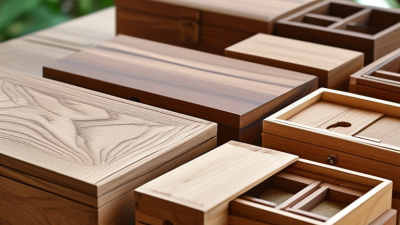
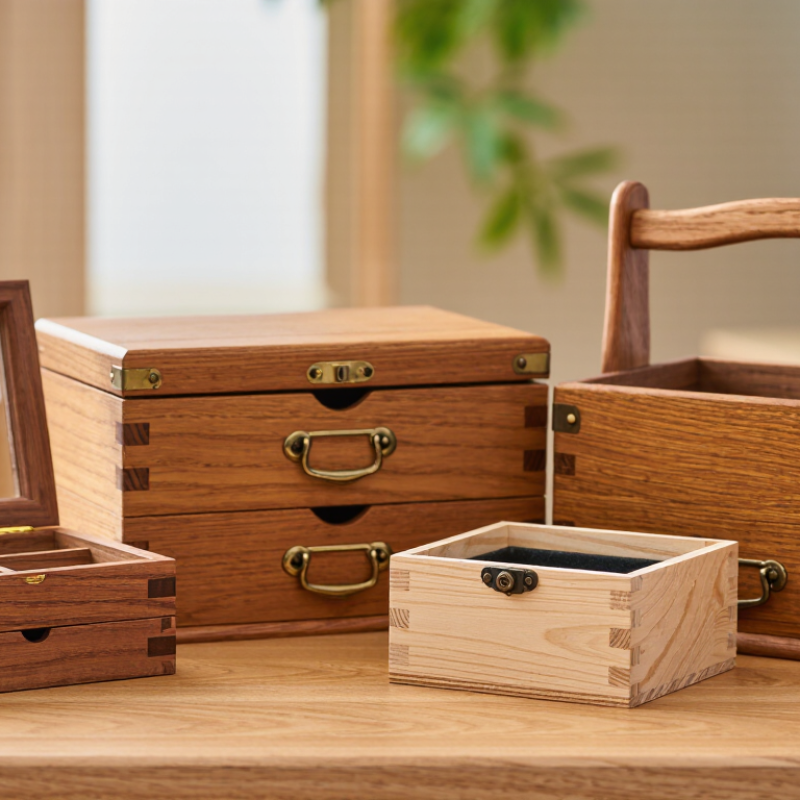
Materials matter greatly. Pine is lightweight and affordable, while oak, walnut, and beech offer greater strength and a more refined appearance. Examine the joints closely. Dovetail or reinforced corner joints usually withstand repeated use better than simple staples. Check the lid alignment, hinge movement, and interior finish before purchasing. Small details matter.
Think about moisture, dust, sunlight, and temperature changes. A damp storage room may damage untreated wood, even when the box looks attractive. For items handled frequently, choose smooth edges and durable hardware. A food-safe finish may be appropriate for certain kitchen uses, but the manufacturer’s guidance should always be checked.
I have chosen boxes for appearance before. That was a mistake. A beautiful box can still have weak hinges, uneven panels, or insufficient space. Reliable suppliers should provide wood species, dimensions, finish information, and care instructions. Reviews can help, but inspect practical evidence rather than trusting polished photographs alone.
There is no perfect choice.
The best Wooden Box balances protection, function, craftsmanship, and budget. This guide explores each factor with practical examples, while recognizing that personal preferences and real-world conditions can change the final decision. Sometimes, choosing a simpler box is wiser than paying for decoration that adds little value.
Define the Purpose and Function of the Wooden Box
How to Choose the Right Wooden Box for Your Needs
Define the Purpose and Function of the Wooden Box
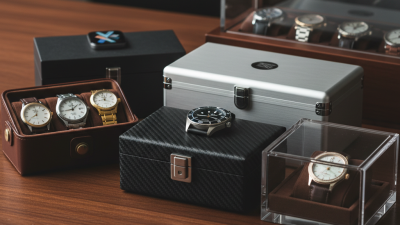
Start by identifying what the box must do. A box for tools needs strength, easy access, and stable handles. A display box needs clean joinery, smooth surfaces, and controlled lighting space. Storage boxes may require stacking support, while gift boxes often prioritize appearance over heavy protection.
Measure the contents, then allow room for padding and movement. In my workshop experience, many buyers measure only the object itself. That mistake creates tight corners and damaged edges. Add space for foam, fabric, or paper lining. Also consider how often the box will open. Hinges, sliding panels, and removable lids serve different purposes.
Wood choice should match the environment and the load. Dense wood can support heavier items, but it may increase the box’s weight. Soft wood is easier to handle, yet it can dent more easily. For humid rooms, ask about moisture movement and protective finishes. Ventilation may help, but careless openings can weaken the structure. Check the joints, fasteners, lid fit, and base thickness before ordering. A beautiful box can still fail when its function was never clearly defined.
Choose the Right Size, Shape, and Interior Layout
Choosing a wooden box starts with the object’s real measurements, not guesswork.
Measure the length, width, height, and fragile points. Then add
10–15 millimetres of clearance
around the object. Leave room for padding, but avoid a loose fit. Movement creates impact damage. Measure the object twice.
My first layouts are often too generous, which increases weight and wastes timber.
Shape should follow function.
A rectangular box suits books, tools, and flat equipment. A deeper square box works better for rounded objects with protective inserts. For several items, use removable dividers instead of one oversized cavity. Small compartments prevent contact and simplify inspection. Keep heavier parts low, especially when the box will be carried by hand.
The USDA Forest Products Laboratory’s Wood Handbook, General Technical Report FPL-GTR-282, explains how moisture changes can affect wood dimensions.
Therefore, allow slight tolerance in tight-fitting lids. It is an easy detail to overlook.
FAO’s Global Forest Products Facts and Figures 2023 reports approximately 500 million cubic metres of sawnwood production in 2022, highlighting the importance of efficient material use.
Select an interior layout that protects the contents without adding unnecessary wood. Test the finished arrangement with gentle handling and vibration. If the item shifts, revise the dividers.
A beautiful box can still be poorly designed.
Evaluate Lids, Handles, Locks, and Other Features
How to Choose the Right Wooden Box for Your Needs
A wooden box should fit its purpose, not just look attractive. I measure the stored item before choosing the box. Leave enough room for padding and easy removal. A tight lid can trap moisture and damage delicate contents. A loose lid may allow dust to enter. Hinged lids offer quick access, while sliding lids suit flat storage. Check the hinge movement carefully. Rough movement often signals weak installation or poor alignment.
Tips: Test the lid several times. Inspect the corners, underside, and inner surfaces. Look for smooth sanding and firm joints. A box used daily needs a comfortable handle. Metal handles feel secure, but they may scratch nearby surfaces. Wooden handles feel warmer and lighter. Choose the handle size based on the box weight. Small handles can strain your fingers. I once selected a beautiful box with an awkward grip. It became annoying after only a week.
Locks need practical attention. A simple clasp works well for ordinary storage. A keyed lock provides more control, but it needs careful maintenance. Avoid hardware that feels loose or difficult to operate. Check whether the lock aligns when the lid closes. Some boxes also include removable trays, dividers, or felt lining. These features help organize small items and prevent scratches. They also increase cleaning effort. That trade-off is easy to overlook. Examine the wood finish under bright light, because uneven coating may reveal rushed workmanship.
How to Choose the Right Wooden Box for Your Needs
Compare common wooden-box features using illustrative suitability ratings from 1 (low) to 5 (high). The best choice depends on what you plan to store and how you will use the box.
Choose a hinged lid for frequent access, a removable lid for simple storage, and handles when the box may be moved often. A lock or latch can help keep contents closed, while lining and dividers are useful for protecting or organizing delicate items.
Match the Finish, Style, and Budget to Your Needs
Choosing the right wooden box starts with matching its finish to your daily use. A smooth lacquered surface resists light spills and wipes clean easily. Natural oil highlights grain, but it may need occasional renewal. For humid rooms, sealed wood offers better protection than an unfinished surface. I once chose an unsealed box for a bathroom shelf. It looked beautiful, but the lid began sticking within weeks.
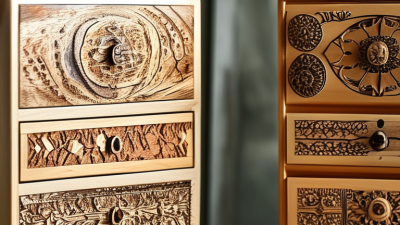
Style should support the room, not compete with it. A simple box with straight edges suits modern furniture. Carved details and warm stains feel more traditional. Check the hinges, corners, and lid movement before buying. Precise joints usually indicate careful construction, although appearance alone cannot prove quality. Measure your storage space too. A box that looks perfect may waste valuable shelf depth.
Tips: Set a practical budget before comparing finishes. Spend more on strong hinges and stable wood than decorative details. A basic finish may be enough for keepsakes, while a protective coating suits frequent handling. Ask how the surface should be cleaned, and avoid harsh chemicals unless the maker confirms they are safe. My own mistake was judging price by appearance. The cheapest option needed repairs sooner, so the final cost was higher. Leave room for that possibility.