Leave Your Message

What Is a Travel Box and What Is It Used For?

Travel is becoming more frequent, more mobile, and more dependent on organized personal gear. The International Air Transport Association’s 2024 passenger forecast estimated 4.7 billion air travelers worldwide. That scale makes efficient packing more than a personal preference. It affects comfort, time, and baggage decisions.

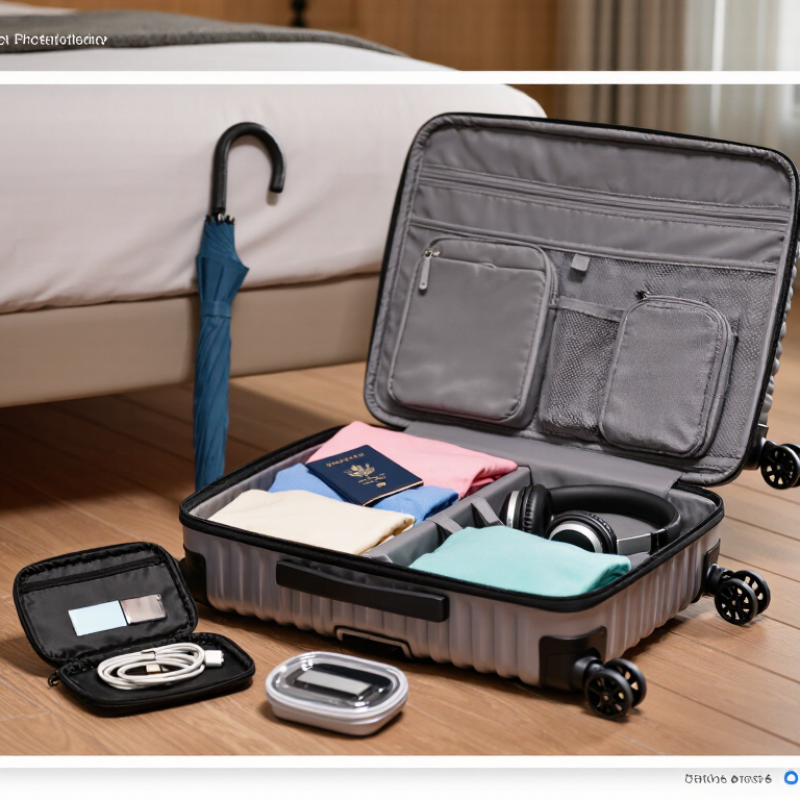
A Travel Box is a compact container designed to organize, protect, and carry travel essentials. Depending on its design, it may hold folded clothing, toiletries, electronics, documents, or small accessories. Some models use rigid walls, padded interiors, dividers, or compression features. Picture a hard-sided case under a hotel bed, keeping cables separated and a passport easy to locate. Simple, but useful.

The term is not perfectly standardized. That matters.

Doug Dyment, founder of OneBag.com and a recognized travel-packing specialist, expresses the central idea clearly: “The fewer things you take, the fewer things you have to worry about.” His approach supports a Travel Box that encourages selection, not overpacking. However, one box cannot solve every travel problem. Oversized designs may waste luggage space, while weak hinges can fail after repeated handling. The right choice depends on trip length, transport method, climate, and personal equipment.

The World Travel & Tourism Council’s 2024 Economic Impact Research reported that global travel and tourism contributed approximately $11.1 trillion to the world economy in 2024. As travel activity expands, practical organization tools deserve closer attention. This guide explains what a Travel Box is, what it is used for, and how to assess its value before buying one.
What Is a Travel Box and What Is It Used For?

What a Travel Box Is: Definition, Forms, and Core Components

What Is a Travel Box and What Is It Used For?

What a Travel Box Is: Definition, Forms, and Core Components

A travel box is a portable container designed to organize, protect, and carry personal items during a journey. Unlike an ordinary bag, it usually provides clearer structure and stronger separation between contents. I have found it useful for cables, toiletries, documents, small tools, and fragile accessories. A good box prevents loose items from disappearing at the bottom of luggage.

Travel boxes come in several forms. A hard-shell box offers better impact protection and keeps its shape under pressure. A soft organizer is lighter and easier to store in tight spaces. Modular boxes use removable dividers, trays, or small compartments for different item sizes. Some designs fit inside larger luggage, while others work as compact carry-on containers. The best form depends on the trip, not appearance alone.

Core Components

Core components usually include a durable outer shell, secure closure, interior padding, and adjustable sections. Water-resistant materials can help against light spills, but they are not always fully waterproof. Smooth hinges, reinforced corners, and a comfortable handle also affect daily use. I once chose a box with too many compartments, and packing became slower. That mistake showed me that organization needs balance. A reliable travel box should protect its contents, remain easy to clean, and open without unnecessary effort.

How Travel Boxes Organize Gear Within IATA’s 56×45×25 cm Cabin-Bag Benchmark

What Is a Travel Box and What Is It Used For?

A travel box is a structured container for keeping small gear protected and easy to reach. It may hold chargers, toiletries, documents, glasses, or compact clothing. Unlike a loose pouch, it creates separate sections and prevents items from shifting during transit. A firm lid also reduces pressure on delicate equipment.

The 56×45×25 cm cabin-bag benchmark gives the box a practical planning limit. Measure the packed exterior, including wheels, handles, and protruding pockets. A box can fit neatly inside a cabin bag while using vertical space efficiently. Place heavier items low and keep frequently needed gear near the opening. However, this benchmark is not a universal boarding allowance. Airlines and aircraft may apply different dimensions or weight limits.

I tested this approach with a small camera accessory kit and daily essentials. The compartments made security preparation faster. They also exposed a weakness: too many dividers waste valuable space. My first arrangement looked tidy but held less gear. A thinner divider system worked better, although it offered less protection. Leave a little empty room. Overpacking can distort the box and make the outer bag exceed its intended size. Check current carrier requirements before departure, because published limits can change.

Travel Box Uses: Toiletries, Electronics, Documents, and Safety Items

What Is a Travel Box and What Is It Used For?

A travel box is a compact container that keeps important travel items organized and protected. On short trips, it can hold toiletries, electronics, documents, and safety items in one place. Toiletries may include toothpaste, skincare products, a comb, and small containers of shampoo. A sealed pouch helps prevent leaks from reaching clothing. Electronics can include charging cables, adapters, batteries, and earphones. Keeping these items together reduces the chance of leaving a cable behind.

Documents need careful storage. A travel box can protect copies of identification, reservations, insurance details, and emergency contact information. Keep original documents separate when possible. Safety items may include plasters, antiseptic wipes, a small flashlight, and prescribed medicine. I have found that clear compartments make packing faster, especially in dim hotel rooms. However, I once overfilled a box and damaged a cable. More storage is not always better. A box should close firmly without pressure.

Tips: Choose a water-resistant box with strong dividers. Pack liquids upright and check every lid before leaving. Use a small label for each section. Keep important documents dry and easy to reach. Review the contents before every journey, because needs can change.

What Is a Travel Box and What Is It Used For?

This chart shows the number of representative essentials in a compact travel-box checklist. Toiletries support personal hygiene, electronics keep devices powered and connected, documents provide identity and trip information, and safety items help with basic emergencies.

Travel Box Security: Applying TSA’s 3-1-1 Liquids Rule

What Is a Travel Box and What Is It Used For?

A travel box is a compact organizer for toiletries, small electronics, documents, or daily essentials. It keeps bottles upright and reduces rushed packing at airport security. In practice, a clear, leak-resistant pouch works better than a deep box. Visibility matters.

Travel Box Security: Applying TSA’s 3-1-1 Liquids Rule

TSA’s 3-1-1 rule limits each liquid container to 3.4 ounces, or 100 milliliters. All containers should fit inside one clear, quart-sized bag. Each passenger may carry one such bag through the checkpoint.

Pack travel-size shampoo, lotion, toothpaste, and liquid cosmetics carefully. A full 200-milliliter bottle is not acceptable, even when partly empty. That detail is easy to miss.

The scale of screening makes preparation important. TSA reported screening more than 904 million travelers in 2024, averaging about 2.5 million people daily. IATA’s 2024 Global Passenger Survey also found that 71% of travelers would use biometric identification, showing growing demand for faster airport processing.

A well-arranged travel box supports that goal, but it does not replace the liquids bag. Keep the bag near the top of your carry-on. Remove it before reaching the checkpoint. I still sometimes overpack “just in case.” That habit wastes space and creates avoidable delays. Check current airport instructions before departure, because procedures and exemptions can change.

How to Choose a Travel Box by Capacity, Material, and Trip Length

A travel box is a portable container for organizing clothes, toiletries, documents, or small equipment during a journey. It protects belongings from dust, pressure, and accidental spills. The right choice depends less on appearance than on capacity, material, and trip length.

For a weekend trip, a compact box of 10 to 20 liters usually works well. It can hold two shirts, underwear, a light jacket, and basic toiletries. Longer trips need 30 liters or more, especially in colder weather. Do not fill every corner. Leave space for laundry and unexpected items. I once chose a box that looked spacious, but its narrow opening made packing frustrating.

Material affects protection and handling. Hard plastic offers structure and resists light rain, while fabric boxes are lighter and easier to compress. Aluminum can protect delicate contents, but it may add noticeable weight. Check the hinges, handles, seams, and closure before buying. A strong handle matters when carrying the box through a crowded station. For air travel, measure the box carefully and check current luggage rules, because limits can change. Waterproof does not always mean fully submersible. That distinction is easy to miss. Trip length also changes what you value: short journeys favor lightness, while extended travel may require durability, ventilation, and better internal organization. Personally, I prefer a washable interior, although I sometimes sacrifice structure to reduce weight.

What Is a Travel Box and What Is It Used For? - How to Choose a Travel Box by Capacity, Material, and Trip Length
Travel Box Capacity Typical Trip Length Best For Typical Contents Recommended Material Portability and Protection Selection Guidance
5–10 L Day trip or short outing Small personal essentials Toiletries, snacks, charging cables, medication, documents, or a compact camera Lightweight polypropylene, nylon, or polyester Easy to carry and store; suitable for ordinary daily handling but offers limited impact protection Choose this size when compactness and low weight are more important than storage capacity
15–25 L Weekend trip of 1–3 days Personal clothing and travel accessories Several changes of clothing, footwear, toiletries, a tablet, and small accessories Polypropylene for moderate rigidity or polyester/nylon for flexibility Balances usable space and portability; soft-sided versions can fit into tight spaces Choose a structured interior if you need organized packing, or a soft-sided design if flexibility is important
30–45 L Short holiday of 3–5 days Clothing, shoes, and larger personal equipment Multiple clothing layers, shoes, toiletries, folded accessories, and electronic devices Rigid polypropylene or ABS for shape retention; reinforced fabric for lower weight Provides useful capacity without becoming excessively bulky; rigid walls improve stacking and protection Check external dimensions carefully because packed volume can become difficult to carry or store
50–70 L One-week trip Extended clothing and equipment storage Clothing for different weather conditions, shoes, toiletries, small equipment, and travel accessories Polypropylene for a lighter rigid box; aluminum for strong protection; heavy-duty fabric for flexibility High capacity but noticeably heavier when full; handles and reinforced corners are valuable Choose this range when you need fewer separate bags, but confirm the loaded weight remains manageable
75–100 L Long trip of more than one week Bulky clothing, outdoor equipment, or shared items Large clothing loads, bulky footwear, camping accessories, sports equipment, or group supplies Heavy-duty polypropylene or aluminum for protection; reinforced fabric when weight is a priority Maximum storage but less convenient for frequent carrying; wheels or two-person handling may be helpful Use this capacity only when the contents are bulky or shared; avoid filling it with unnecessarily heavy items
Watertight or protective box Transport in wet, dusty, or demanding conditions Fragile electronics, documents, tools, or sensitive equipment Cameras, cables, instruments, emergency supplies, documents, or precision equipment Impact-resistant polypropylene or ABS with a gasketed seal; aluminum for rigid protection Offers better protection from impact, dust, and moisture when properly sealed; usually heavier than soft cases Prioritize an effective seal, strong latches, internal padding, and a size that prevents contents from moving

Capacity is measured in approximate liters. Actual usable space varies according to wall thickness, internal compartments, shape, and protective padding. Always compare internal dimensions, external dimensions, empty weight, maximum load, handle strength, and closure quality before choosing a travel box.