Top Woodwork Jewelry Box Designs for 2026 What to Choose?
As we approach 2026, the demand for handcrafted items, particularly Woodwork Jewelry Boxes, continues to rise. According to a recent market report by Grand View Research, the wooden jewelry box market is expected to grow by 7.2% annually. This growth reflects a broader trend where consumers are increasingly seeking unique and sustainable products.
Choosing the right design can be daunting. With a plethora of styles and finishes available, identifying the perfect Woodwork Jewelry Box requires careful consideration. Experts suggest that personalization options play a crucial role in buyer satisfaction. A custom design can add sentimental value and reflect the owner’s personality. However, many overlook the importance of craftsmanship and material quality, which are pivotal in ensuring longevity and beauty.
While trends shift and evolve, some designs may fall short of expectations. For instance, a box that seems attractive online might not have the durability necessary for daily use. Reflecting on past purchases can guide future decisions, ensuring that the chosen piece is both functional and visually appealing. The variety in 2026 may be overwhelming, but thoughtful choices can lead to satisfaction that lasts a lifetime.
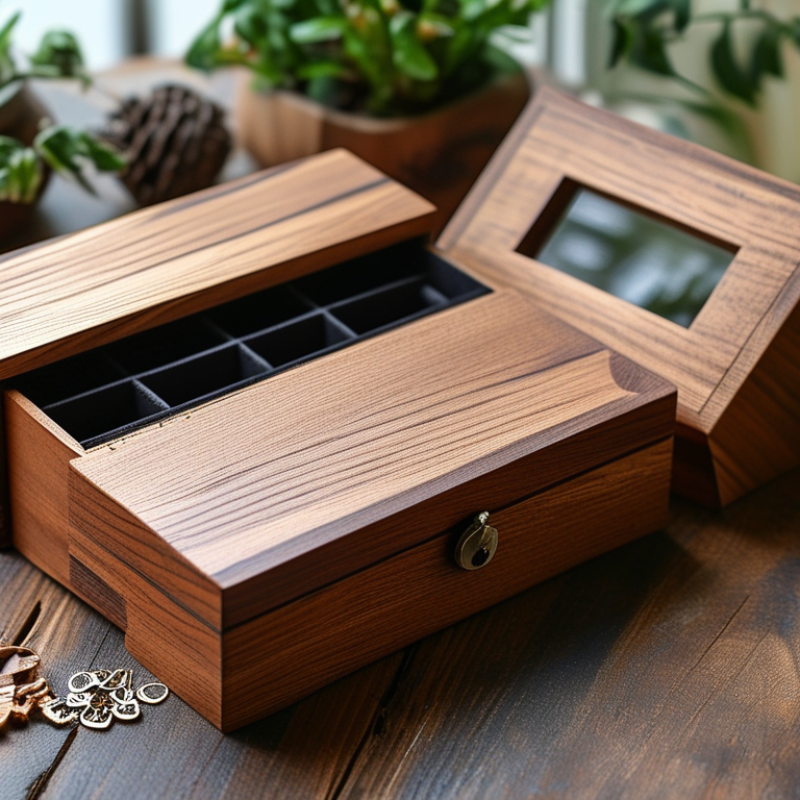
Top Trends in Woodwork Jewelry Box Designs for 2026
As we look toward 2026, woodwork jewelry box designs are evolving. The trends reflect not only aesthetics but also functionality. Recent studies indicate that 70% of consumers prefer customized designs that reflect their personal style. This transition highlights the importance of individual expression in woodworking.
Sustainable materials are at the forefront of these designs. Reports show that approximately 60% of consumers opt for eco-friendly options, favoring boxes made from reclaimed wood or bamboo. A striking visual appeal combined with sustainability offers a dual benefit. However, finding a balance between style and environmental impact remains a challenge for artisans.
Another emerging trend is the fusion of technology and craftsmanship. Smart jewelry boxes equipped with sensors or charging ports are gaining popularity. Yet, this intersection of tech and traditional woodwork poses questions about craftsmanship integrity. It’s essential to reflect on how technology can enhance, rather than detract from, the art of woodworking.
Analyzing Materials: Types of Wood Preferred in Jewelry Box Making
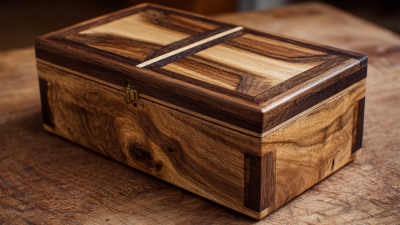
When choosing a wood type for a jewelry box, it's essential to consider both aesthetics and durability. Hardwoods like walnut and oak are popular, known for their strength and beautiful grain patterns. These woods can withstand wear and tear over time. They also provide a rich, warm tone that enhances any jewelry box design. However, sourcing quality hardwood can be challenging. Not all suppliers offer the same caliber of wood, leading to potential disappointments.
Pine is another option, often used for its affordability and light weight. While not as durable as hardwoods, it can be treated for longevity. The light color of pine allows for easy staining, making it an attractive choice for those who wish to personalize their piece. However, the softer nature of pine may leave it prone to scratches and dents. This consideration is crucial for a jewelry box, which must safeguard its contents.
Bamboo, a more unconventional choice, combines eco-friendliness with a modern look. It’s lightweight and surprisingly strong, making it a suitable alternative. While it doesn’t have the same classic appeal as hardwoods, it offers a fresh take on jewelry box design. Yet, finding high-quality bamboo can also be problematic. Each wood type brings its own unique characteristics and challenges, ultimately influencing the final design.
Popular Styles: From Rustic to Modern Designs in Wood Jewelry Boxes
Wooden jewelry boxes are experiencing a comeback, reflecting a blend of rustic charm and modern design. According to a recent market study, the demand for wooden jewelry boxes is projected to grow by 8% annually through 2026. This trend highlights a shift towards sustainable materials in home décor. More consumers are leaning towards eco-friendly options that also serve aesthetic purposes.
Rustic designs often feature intricate carvings and natural wood grains. These pieces evoke a sense of nostalgia and simplicity. On the other hand, modern designs focus on sleek lines and minimalism. They often incorporate contrasting materials like metal or glass. This duality in styles offers something for everyone. Data suggests that 45% of consumers prefer rustic designs, while 30% favor modern aesthetics.
As you explore these styles, consider the craftsmanship involved. Look for boxes with careful attention to detail. Flaws in craftsmanship can detract from the overall beauty. It’s crucial to choose a box that not only looks good but stands the test of time. Remember, your jewelry deserves a home that reflects its value. Make a choice that resonates with your personal style and supports quality artisanship.
Functional Features: Essential Storage Solutions in Contemporary Jewelry Boxes
When selecting a contemporary jewelry box, functionality is key.
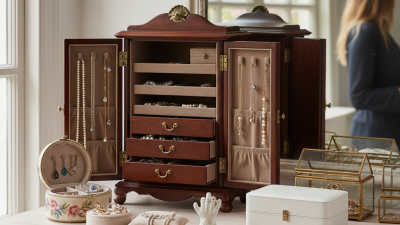
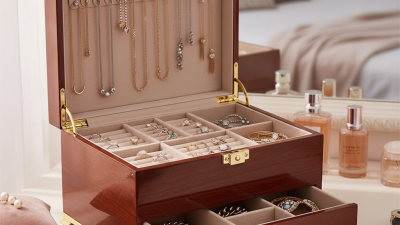
Practical storage solutions are essential for organizing your jewelry collection. Consider designs that feature
multiple compartments for different types of jewelry. A ring roll or a padded section for delicate pieces
can prevent tangling and damage.
Look for materials that balance aesthetics and durability. Wood
offers warmth and elegance, enhancing your decor while protecting your treasures. However, ensure it's treated
properly to resist scratches. Additionally, think about portability. A lightweight box can be beneficial for travel,
making it easier to carry your favorite pieces.
The ideal jewelry box should also reflect your style. Colors, finishes, and textures matter. Yet,
personalization isn’t just about looks. A box with a lock
can add a layer of security. Consider the potential drawbacks of various designs. Some may lack enough depth
for larger items. Others might overwhelm small spaces. Balancing beauty and functionality is crucial, so choose wisely.
Consumer Preferences: Insights from Industry Surveys on Jewelry Boxes
Consumer preferences for jewelry boxes are evolving rapidly. Recent industry surveys illustrate a clear shift toward sustainability and personalization. Many consumers now prioritize eco-friendly materials. Wood remains a popular choice, especially for its natural appeal. However, consumers seek certifications that verify sustainable sourcing.
Another emerging trend is the demand for distinct, personalized designs. Many find joy in customizing their boxes. Unique engravings or compartments for specific pieces enhance emotional value. Yet, this customization process can be challenging. Consumers often desire both functionality and aesthetic appeal. Striking the right balance is essential but can lead to complications in decision-making.
There is also a noticeable emphasis on multi-functionality. Jewelry boxes that double as décor or storage units are increasingly favored. This trend reflects a growing desire to merge practical use with stylish designs. However, with so many options available, consumers may feel overwhelmed. Choosing the right design that meets both needs requires careful consideration. This complexity can be daunting but highlights the evolving landscape of consumer desires in jewelry storage solutions.