What Are the Top Gift Box Types in 2026?
In 2026, choosing a Gift Box means balancing presentation with the practical work of protecting, storing, and shipping a product. A rigid box can make a keepsake feel substantial; a folding carton suits lighter gifts and compact retail shelves. Magnetic-closure styles offer a crisp reveal, while drawer boxes add a small, tactile moment. Corrugated mailers are less formal, but their sturdy walls can be useful for online orders. The right choice depends on the gift, the recipient, and how far the box must travel.
For transparency, Maya Chen is a fictional packaging specialist, and the following line is an original illustrative quote, not a statement from a real expert: “A good Gift Box should feel thoughtful in the hand and still make sense after the ribbon comes off.” That principle points to details buyers can actually assess: board thickness, closure strength, insert fit, surface finish, and whether the box can be reused. A velvet-like lining may look appealing, yet it can add cost and complicate packing. Simple kraft paper can feel considered, too. Small details matter.
This guide compares leading Gift Box types for 2026, including rigid, folding, magnetic, drawer, and mailer designs. It considers appearance, durability, customization, and likely use cases, without treating one format as best for everyone. Trends can shift, and packaging claims deserve a closer look. A beautiful box is not automatically a better one.
What Gift Boxes Are and How They Are Classified
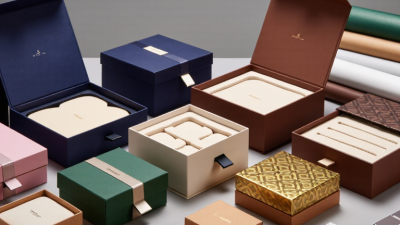
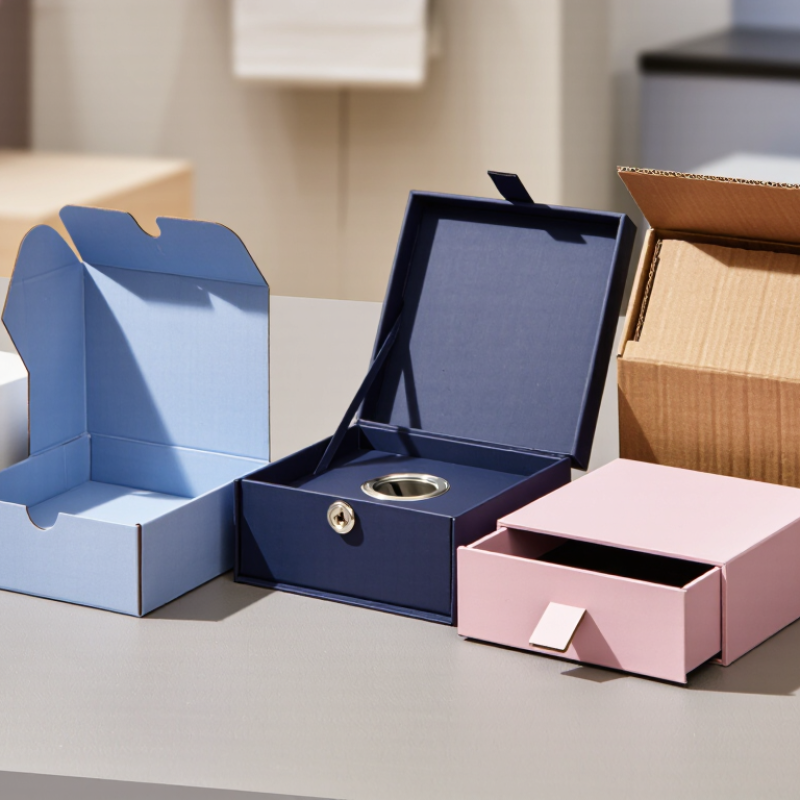
Gift boxes are containers designed to present, protect, and sometimes transport a gift. They are commonly classified by structure, material, opening style, and intended use. Rigid boxes have firm walls and hold their shape, making them suitable for keepsakes or delicate items. Folding cartons arrive flat and take less storage space. That difference matters. Drawer-style, hinged-lid, and magnetic-closure boxes describe how a box opens, not what it is made from.
Tips: Match the box to the gift’s weight and shape. Check that the lid closes securely, and leave room for tissue or padding. A beautiful box can still disappoint if the item rattles inside.
Materials offer another useful classification. Paperboard is lightweight and easy to print; corrugated board adds cushioning for shipping. Fabric-covered or wooden boxes can be reused, though they may add cost and weight. Boxes can also be grouped by purpose: retail presentation, event favors, subscription deliveries, or personal gifting. These categories overlap, so there is no single perfect system. A small box with a snug insert may work better than an elaborate one, but the right choice depends on handling, budget, and the recipient’s needs. Sometimes the simplest option feels more thoughtful.
What Are the Top Gift Box Types in 2026?
A structural guide to common gift box formats
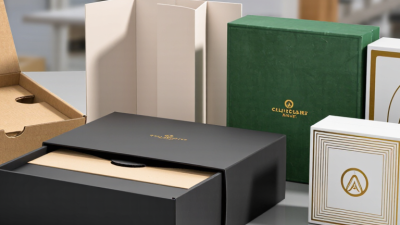
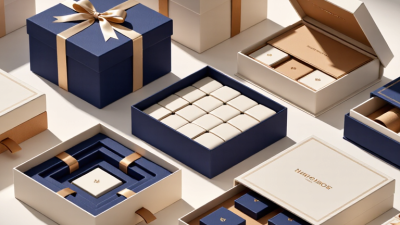
Gift boxes are commonly classified by their structure and opening style. Folding cartons, mailer boxes, gable boxes, and pillow boxes are typically formed from one folded blank. Rigid two-piece boxes use a separate base and lid, while drawer boxes usually combine an inner tray with an outer sleeve. These are typical construction formats, not market-share figures; designs can vary.
Which Gift Box Types Are Most Popular in 2026
In 2026, three gift box types stand out: rigid boxes, folding cartons, and corrugated mailer boxes. Rigid boxes suit jewelry, candles, and premium food gifts. Their firm walls and lift-off lids make the unboxing feel special. Folding cartons are lighter and easy to print, making them practical for smaller retail gifts. Corrugated mailers protect online orders during delivery. They are less luxurious, but often more useful.
Online shopping helps explain the appeal of mailer boxes. The U.S. Census Bureau reported that U.S. e-commerce sales reached $1.19 trillion in 2024, up 8.1% from 2023. That growth does not prove mailer boxes are the most popular gift format. Still, it points to a continuing need for packaging that can handle shipping. A dented corner can spoil the moment.
Sustainability also shapes choices. McKinsey’s 2023 U.S. consumer packaging survey found that about six in ten respondents said they would pay more for sustainable packaging. That supports interest in recyclable paperboard cartons and right-sized corrugated boxes. But a green claim is not enough. Check the actual material and local recycling guidance. Rigid boxes feel substantial. They can also use more material than a simple carton, so the best choice depends on the gift, presentation, and delivery needs.
How Materials and Construction Shape Gift Box Choices
In 2026, gift-box choices still come down to what the box must protect and how it should feel. Rigid boxes use thick board, often wrapped in printed or textured paper. Their solid walls suit keepsakes, cosmetics, and heavier gifts. They feel substantial. But they take more storage space and can cost more to ship. A magnetic flap or lift-off lid adds a polished opening, while a snug insert keeps small items from shifting.
Folding cartons use thinner paperboard and arrive flat, which saves storage room. Their scored folds create crisp edges, though oversized gifts may make the panels bow. Corrugated boxes offer more cushioning through their fluted inner layer. They work well when a gift needs to travel, even if the surface feels less refined. Drawer-style boxes add a sliding tray; check that it moves smoothly after the box is filled.
Material choice affects more than appearance. Coated paper resists light scuffs, while uncoated stock feels tactile but may mark easily. Recycled board can have a slightly uneven tone. That is not always a flaw, but it should suit the presentation. A little compromise is normal. Before ordering, fit the actual product, test the closure, and check whether tissue or an insert changes the available space.
How to Select a Gift Box for Its Purpose and Recipient
What Are the Top Gift Box Types in 2026?
How to Select a Gift Box for Its Purpose and Recipient
Choose a gift box for the moment and the person, not just its appearance. A rigid box suits a keepsake or a carefully presented gift. A folding carton is lighter and easier to store. For gifts sent by post, a sturdy mailer with a snug insert helps limit movement. Check the item’s weight, dimensions, and fragility before choosing. A box that looks elegant but lets a ceramic cup rattle is the wrong choice. It happens.
Budget matters, too. The National Retail Federation’s 2024 holiday survey found that shoppers planned to spend an average of $902, including $641 on gifts. That spending context makes proportion useful: match the box’s finish and cost to the gift, rather than assuming more packaging means more care. For a close friend, a reusable box may feel personal. For a client or group event, simple, consistent packaging is often easier to handle and distribute.
Tips: Measure the gift, then allow room for tissue or a fitted insert. Consider where the recipient will open and store it. A magnetic lid can look refined, but it may be awkward to ship. Small details matter; even a slightly loose fit can spoil the presentation.
What Trends Are Influencing Gift Box Design in 2026
What Are the Top Gift Box Types in 2026?
What Trends Are Influencing Gift Box Design in 2026
Gift box design in 2026 is balancing a polished unboxing experience with less packaging waste. Recyclable paperboard, simpler inserts, and reusable rigid boxes are gaining attention. The 2023 Global Buying Green Report, based on a survey of 9,000 consumers, found that 82% were willing to pay more for sustainable packaging. That signals interest, not guaranteed purchasing behavior. Still, it gives designers a reason to make material choices visible and easy to understand.
Personalization is another influence. Short-run printing can add names, seasonal artwork, or a handwritten-style message without requiring a completely different box structure. Tactile details also matter: a clean paper texture or a shaped paper insert can feel special without heavy decoration. Small details count. Yet sustainable materials do not always look or feel premium straight away. A recycled board may crease differently, so testing a finished sample is worth the extra time.
Tips: Choose one clear focal detail, such as a colored sleeve or a printed message. Keep inserts close-fitting to reduce wasted space, and check that the box is easy to open and reuse. Avoid promising recyclability unless local collection systems accept the materials.