Essential Tips for Crafting a Beautiful Woodwork Jewelry Box?
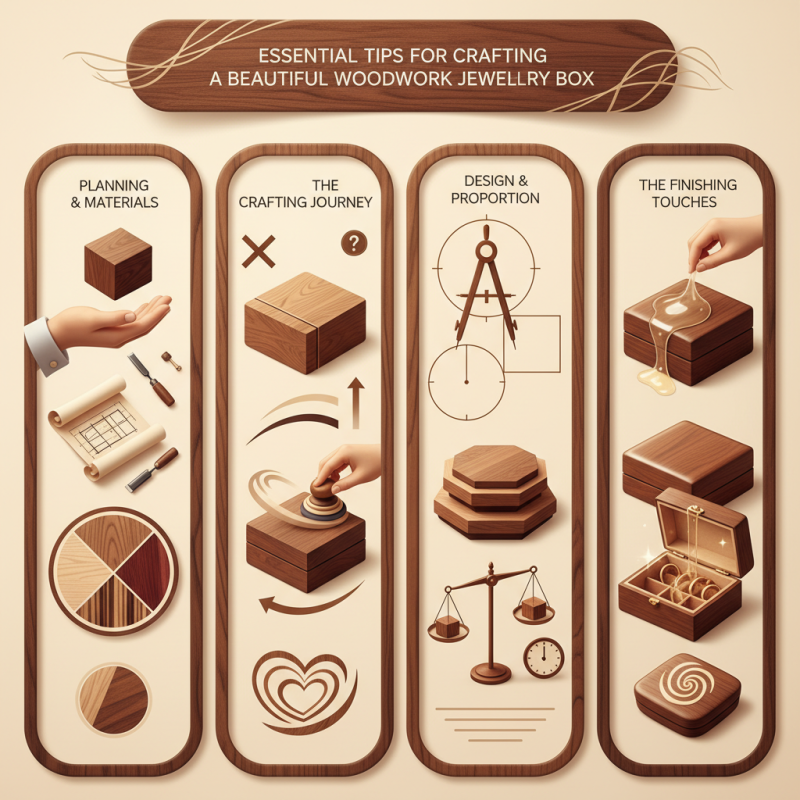
Creating a stunning woodwork jewelry box requires careful planning and execution. Woodwork jewelry boxes are not just storage; they are art pieces. Every detail counts, from the type of wood used to the finishing touches. Choosing the right materials enhances beauty and durability.
Engaging in this project can be messy. Mistakes are common; learning from them is crucial. Perhaps a cut is not straight, or the finish is uneven. These imperfections offer opportunities for improvement. Embrace these challenges as part of the crafting journey. As you refine your skills, the joy of creating will deepen.
Think about design elements that truly inspire you. Simple shapes can be as striking as intricate ones. Paying attention to proportions can sometimes be tricky. Don't rush the process. A well-crafted woodwork jewelry box deserves patience and thoughtfulness. Your unique style will shine through in every piece you create.
Selecting the Right Type of Wood for Your Jewelry Box Construction
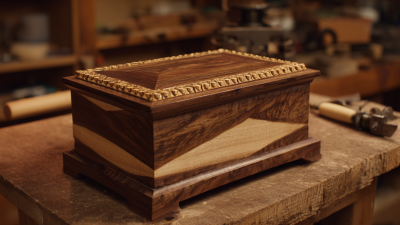
When selecting wood for your jewelry box, consider both aesthetics and durability. Hardwoods like oak and walnut are popular choices. They provide strength and longevity. Softwoods, such as pine, are easier to work with but may not endure as well over time. The type of wood you choose affects the final look and feel of the piece.
Think about the grain patterns and colors. Unique grains can add character to your jewelry box. Some woods have rich, warm tones that enhance the overall beauty. Testing various wood samples can be revealing. You might find a stunning piece that fits your vision unexpectedly. Remember that imperfections can be charming, adding to the story of your creation.
Don’t overlook sustainability. Sourcing wood ethically makes a difference. Explore local options or reclaimed wood for an eco-friendly touch. This can also lead to interesting textures and colors. Reflecting on your choice of materials will elevate your work. Make sure each decision aligns with your design goals.
Essential Tips for Crafting a Beautiful Woodwork Jewelry Box - Selecting the Right Type of Wood for Your Jewelry Box Construction
| Wood Type |
Durability |
Aesthetic Appeal |
Cost |
Ease of Work |
| Mahogany |
High |
Rich color with fine grain |
Moderate to High |
Moderate |
| Oak |
Very High |
Classic and timeless |
Moderate |
Easy |
| Walnut |
High |
Elegant dark hue |
High |
Moderate |
| Maple |
Medium |
Light and clean appearance |
Moderate |
Easy |
| Cherry |
High |
Warm reddish hue |
Moderate to High |
Moderate |
Choosing Appropriate Tools and Materials for Jewelry Box Assembly
When crafting a beautiful woodwork jewelry box, choosing the right tools and materials is a vital step. Begin by selecting high-quality wood. Hardwoods like cherry or walnut add charm. However, working with them can be challenging. They require patience and the right techniques to avoid mistakes.
The tools you use also matter significantly. A good saw, chisels, and sandpaper are essential. A jigsaw can help create intricate shapes. Yet, it can easily lead to mistakes if not handled properly. Take your time to practice and improve your skills.
Consider the finish for your jewelry box. Natural oils can enrich the wood’s hue and provide protection. However, control the application to avoid runny areas. Allow enough drying time between coats. This attention to detail will elevate your craftsmanship and ensure the box lasts.
Essential Tips for Crafting a Beautiful Woodwork Jewelry Box
This bar chart illustrates the relative importance levels of various elements involved in crafting a beautiful woodwork jewelry box. As seen, the choice of wood type and tools are particularly crucial for successful assembly.
Understanding Joinery Techniques: The Backbone of Woodwork Jewelry Boxes
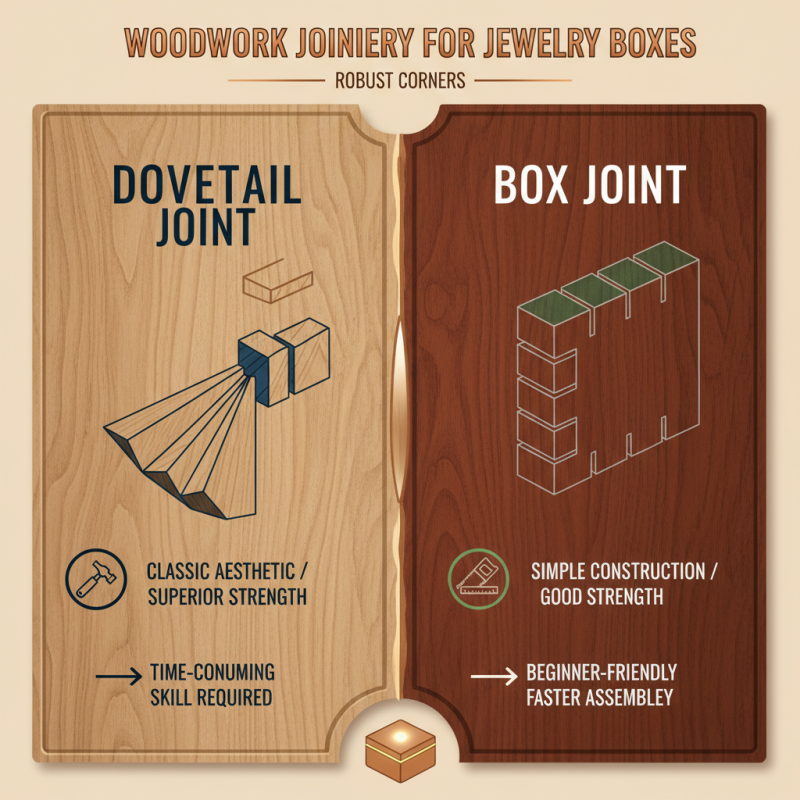
Joinery techniques are essential for crafting beautiful woodwork jewelry boxes. These methods determine the strength and aesthetics of the final product. Choose between dovetail joints or box joints for robust corners. Dovetails offer a classic touch, while box joints can be easier for beginners.
Tip: When selecting your wood, consider both appearance and durability. Hardwoods like oak or walnut can enhance your design. However, they may be trickier to work with, requiring a sharp chisel and good technique.
It’s important to practice your joinery skills. Mistakes can happen, like misaligned cuts or uneven joints. Don’t be discouraged by setbacks. Each error teaches valuable lessons. Reflect on your process and make adjustments. This iterative approach can lead to more refined work over time.
Finishing Touches: Stains, Sealants, and Their Impact on Aesthetics
The finish can transform a woodwork jewelry box.
Stains enhance the natural beauty of wood grain. A study by the Woodworkers Institute shows that over 70% of woodworkers prefer richer tones to elevate aesthetics.
Darker stains can add elegance, while lighter shades offer a more modern look.
Sealants protect against wear and moisture. They can also affect the final appearance.
Research indicates that 65% of users see a clearer finish as more appealing.
However, some sealants may yellow over time, detracting from the design. It's crucial to test sealants before full application.
Not every choice leads to perfect results. A stain may not settle evenly, leading to blotchiness. Refinishing can be time-consuming and frustrating.
Mistakes can happen, but they offer lessons in choosing materials and techniques. The beauty of crafting lies in learning from imperfections.
Embracing this process can lead to truly unique pieces.
Designing Functional Compartments to Maximize Storage Efficiency
Designing functional compartments in a woodwork jewelry box is crucial for maximizing storage efficiency. According to a recent industry report, organized storage can improve access time by 40%, making it essential for effective jewelry management. Designing sections that fit specific items, like rings or bracelets, can streamline how users approach their collection.
Consider the dimensions of each compartment. Smaller sections can hold delicate items securely. Conversely, larger areas can accommodate bulkier pieces without damage. Sometimes, we underestimate how much space different materials require. For example, velvet-lined compartments prevent scratches and keep items secure.
While it's tempting to create multiple sections, overcrowding can lead to frustration. Too many compartments can make it hard to find what you're looking for. Research shows that cluttered storage can cause anxiety, impacting the overall enjoyment of your collection. Reflecting on compartment sizes and purposes can lead to better, more thoughtful designs.