Leave Your Message

10 Tips for Buying the Best Wrist Watch Case?

Buying the right Wrist Watch Case is not merely a style decision. It protects a precision instrument from scratches, moisture, pressure, and careless storage. A polished steel case may look impressive, yet its weight, finishing, and sealing quality deserve closer inspection. Small details matter.

Recent findings from Deloitte’s Swiss Watch Industry Study emphasize quality, brand trust, design, and long-term value in watch purchasing decisions. The Federation of the Swiss Watch Industry also continues to report strong interest in Swiss-made mechanical watches, reinforcing the importance of protection and maintenance. These reports discuss watches broadly, not every Wrist Watch Case separately. That limitation matters.

George Daniels, the respected British watchmaker, said, “The watchmaker must be an artist, a craftsman, a mechanic, and a scientist.” His words apply to buyers too. A suitable case must balance engineering and appearance. Check the interior lining beside the hinge. Feel for rough edges. Test whether the crown and bracelet fit without pressure. A soft cushion should hold the watch firmly, not squeeze it.

Material choices can be confusing. Stainless steel offers strength, while leather adds warmth but may absorb moisture. Wood creates visual character, though poor finishing can produce dust or warping. Travel cases need secure closures and compact proportions. Display cases require stable glass and controlled exposure to light.

There is no perfect case.

Even experienced collectors sometimes buy attractive cases before measuring their watches. That mistake is easy to avoid. Record the watch diameter, thickness, lug width, and crown position first. The following ten tips will turn those measurements into a more reliable buying decision.
10 Tips for Buying the Best Wrist Watch Case?

Define Case Size, Lug Width, and Thickness for a Precise Wrist Fit

A watch case should fit your wrist before it impresses your eyes. Case size usually means the diameter across the case, excluding the crown. Measure your wrist with a flexible tape, then compare that number with the watch dimensions. A 38–40 mm case often feels balanced on a medium wrist, while larger cases may look heavy on a narrow wrist. These ranges are useful, not absolute.

Lug-to-lug distance matters even more than diameter. The lugs are the small extensions that hold the strap. If they reach beyond your wrist edges, the watch may wobble or feel awkward. Measure from the outer tip of one lug to the opposite tip. Keep the result below your wrist’s flat width when possible. I once chose a watch with a modest diameter but long lugs. It still wore too large. That mistake changed how I judge case fit.

Lug width controls strap compatibility, so measure the space between the lugs in millimeters. A narrow strap can make a thick case look unbalanced. Case thickness also affects comfort, especially under a shirt cuff. Thin cases sit neatly, while thicker cases may offer stronger water resistance or a more complex movement. Check the case profile, not only the listed thickness. Curved backs can wear lower than straight backs. Measurements can vary slightly between sellers, so verify them before purchasing. Small details matter.
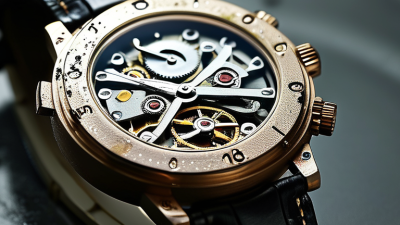
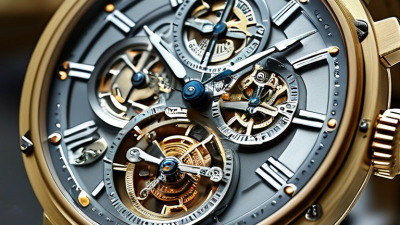
Compare 316L Steel, Titanium, Ceramic, and Gold by Durability and Weight

Choosing the best wristwatch case starts with durability, but weight changes daily comfort. I have found 316L steel dependable for regular wear. It resists corrosion, handles small impacts, and feels substantial without becoming excessive. Its density is about 8 g/cm³, so a larger case can feel heavy after several hours.

Titanium weighs roughly half as much as steel. It suits active users, especially with a thick case or integrated bracelet. However, its surface may show scratches more easily unless treated.

Ceramic is lighter than steel and highly resistant to scratches. It also feels smooth and cool against the skin. That strength has limits. A sharp drop can cause cracking, which is harder to repair than a steel dent.

Gold provides noticeable weight and a warm appearance, but pure gold is too soft for daily case protection. Watch cases usually use stronger alloys, yet scratches still appear sooner than on steel or ceramic. I once chose a heavier case because it felt more expensive, then disliked its pressure during long desk sessions. That judgment was flawed. Measure the case, check the movement weight, and consider lug length, not material alone. A 40-millimeter titanium case may wear larger than a compact steel model. Ceramic numbers can also mislead because formulations vary. Ask for the alloy, coating, and case-back material before comparing specifications.

Choose Sapphire Crystal at Mohs 9 for Superior Scratch Resistance

10 Tips for Buying the Best Wrist Watch Case?

Choose Sapphire Crystal at Mohs 9 for Superior Scratch Resistance

When choosing a wristwatch case, inspect the crystal first. It faces desk edges, pocket grit, and accidental contact every day. Sapphire crystal ranks Mohs 9, while diamond ranks 10. The gap sounds small, but the Mohs scale is comparative, not linear. This hardness helps resist scratches from common materials, including steel dust and quartz particles.

Look for a clearly stated sapphire specification, not vague wording such as “crystal glass.” The International Organization for Standardization’s ISO 1413 standard focuses on shock-resistant watches, but it does not make sapphire unbreakable. Sapphire resists scratching exceptionally well. It can still chip or crack after a sharp impact, especially around thin edges. That detail matters.

Check the case design closely. A raised bezel can protect the crystal during a desk knock. A recessed crystal may offer even better practical protection. In my experience, a soft microfiber cloth removes fingerprints safely, while abrasive polishing cloths may create avoidable problems. Small habits matter.

Industry demand also supports careful case selection. The Federation of the Swiss Watch Industry reported Swiss watch exports worth approximately CHF 26.7 billion in 2023. High-value watches deserve durable protection, but price alone proves nothing. Ask for the crystal material, water-resistance rating, and testing reference. Some sellers describe mineral glass as premium. That wording can mislead. Check twice.

Verify Water Resistance with ISO 22810 and ISO 6425 Standards

A watch case should be judged by test conditions, not by a bold water-resistance number. ISO 22810:2010 covers ordinary watches and evaluates resistance through pressure, condensation, and leakage tests. The marked depth is not a swimming guarantee. It represents laboratory pressure under controlled conditions. A 50-metre rating may tolerate splashes, yet repeated shower heat can challenge seals. I learned this the inconvenient way after a gasket looked perfect but had hardened with age.

For serious underwater use, check ISO 6425:2018. This standard applies to diver’s watches and requires a minimum water-resistance rating of 100 metres. It also includes testing at 125% of the stated pressure, plus checks for condensation, shock, magnetic resistance, and bracelet reliability. These details matter when choosing a protective case, especially one with a screw-down back and a tightly seated crown. Ask for test documentation, not only printed numbers. Industry service guidance commonly recommends annual pressure testing for active divers, although the exact interval depends on use and seal condition. ISO standards also warn indirectly against overconfidence: water resistance can decline as materials age. A case may pass inspection today and fail after a hard impact tomorrow. That is easy to overlook.

Verify Water Resistance with ISO 22810 and ISO 6425

The chart compares the pressure used in the standard test with the watch’s stated water-resistance pressure. ISO 22810 tests a watch at its declared rating, while ISO 6425 applies a 25% overpressure requirement for diver’s watches. ISO 22810 does not define one universal minimum depth rating; ISO 6425 diver’s watches require a minimum rated depth of 100 metres.

Match Case Construction to Movement Type, Service Access, and Daily Use

10 Tips for Buying the Best Wrist Watch Case?

A good wristwatch case must suit the movement inside it. Mechanical movements need enough internal depth for the rotor, bridges, and balance assembly. A case that is too shallow may cause pressure on delicate parts. Manual-wind models can be slimmer, but their crowns still need comfortable daily access. Quartz movements usually allow more design freedom, although battery access remains important.

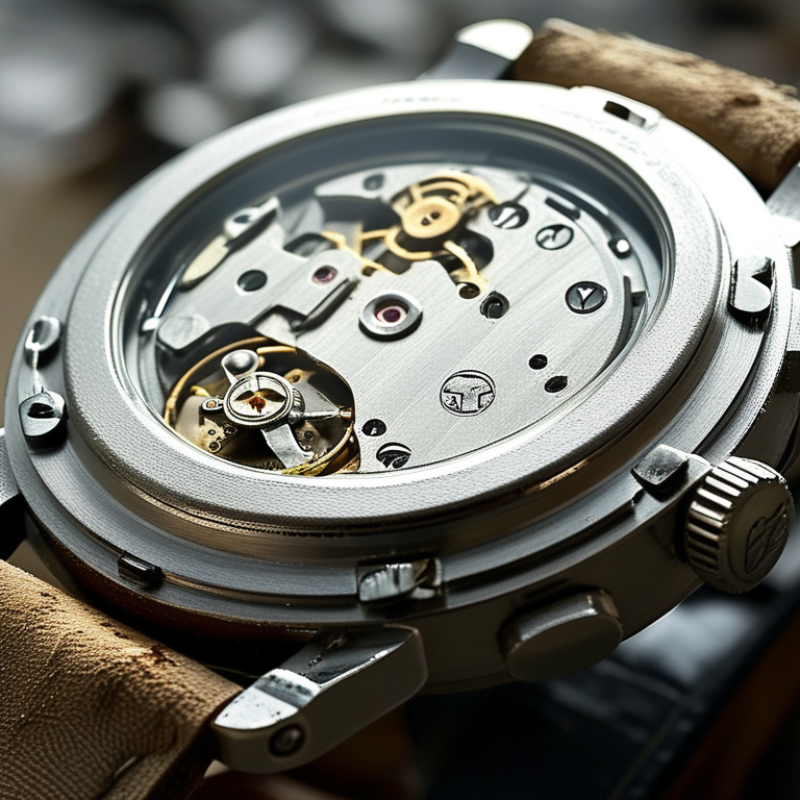
Case construction also affects future servicing. A screw-down caseback can improve sealing, but it may require proper tools and careful gasket replacement. A snap-on back offers faster access, yet its seal can weaken after repeated opening. Look for clean caseback edges, correctly fitted gaskets, and a crown that feels firm without grinding. Service records should mention pressure testing after water-resistant cases are opened.

Daily use changes the best choice. Stainless steel handles knocks well, while titanium feels lighter during long workdays. A polished surface shows scratches quickly. I once preferred a thin, highly polished case, but its sharp edges caught on shirt cuffs. That decision looked elegant, not practical. Consider wrist comfort, sweat, dust, and exposure to magnets from speakers or laptop covers. A balanced case should sit flat, leave the crown clear, and protect the movement without making maintenance unnecessarily difficult.

10 Tips for Buying the Best Wrist Watch Case? - Match Case Construction to Movement Type, Service Access, and Daily Use

Tip Case Construction Movement Type What to Check Service Access Daily-Use Considerations Best Choice When
1 Rigid metal case with a properly secured case back Mechanical or automatic Look for a stable case structure, protected lugs, and sufficient internal clearance for the movement and rotor. A removable screw-down or properly fitted snap-back case can provide access for inspection and servicing. Suitable for regular wear when the case protects the movement from ordinary knocks and pressure. Long-term mechanical-watch ownership and everyday durability.
2 Case with an appropriately rated gasket system Quartz, mechanical, or automatic Check the stated water-resistance rating and confirm that the crown, crystal, case back, and pushers are sealed. Water-resistance gaskets should be inspected and replaced during relevant servicing. Water resistance can decline as seals age; it is not a permanent guarantee of protection. Frequent outdoor use, commuting, travel, or exposure to rain and splashes.
3 Case with a screw-down crown and reinforced crown guards Mechanical, automatic, or quartz Ensure the crown threads engage smoothly and the crown can be fully closed without cross-threading. The crown tube, crown gasket, and threads should remain accessible for inspection or replacement. Helps reduce accidental crown operation and supports water resistance when correctly closed. Active daily wear where the watch may encounter moisture or impact around the crown.
4 Solid case back or carefully sealed display back Automatic or hand-wound mechanical A display back should leave adequate clearance for the rotor, balance assembly, and movement components. A solid back often offers straightforward service access; a display back must be removed without damaging the gasket or crystal. A solid back is generally more resistant to knocks, while a display back allows movement viewing but may add fragility. Choose a solid back for maximum practicality or a display back for movement visibility.
5 Adequate internal shock protection Mechanical and automatic movements Check whether the case securely holds the movement and limits excessive movement after impact. The movement should be removable without disturbing the case structure or damaging retaining rings. Mechanical movements contain delicate regulating components and benefit from protection against hard shocks. Sports, travel, manual work, and other situations involving vibration or accidental knocks.
6 Case dimensions matched to movement thickness Quartz, hand-wound, or automatic Compare case thickness, diameter, lug-to-lug length, and movement height to avoid pressure on the dial or hands. Correct internal spacing makes movement removal, hand-setting, and dial access safer during servicing. Thinner quartz movements can fit slim cases, while automatic movements usually require more depth for the rotor. Comfortable fit, balanced proportions, and reduced risk of internal component contact.
7 Scratch-resistant crystal with a secure bezel fit Any movement type Check crystal seating, edge protection, optical clarity, and whether the crystal is appropriate for the intended environment. The crystal and gasket should be replaceable without deforming the bezel or case opening. Sapphire is highly scratch-resistant but can be more vulnerable to sharp impact than many mineral-crystal designs. Office and travel use where surface scratches are a primary concern.
8 Corrosion-resistant case material and finish Quartz, mechanical, or automatic Inspect the case, crown, bezel, and back for consistent finishing and resistance suitable for skin contact and moisture. Service access should not require removing decorative coatings that could be damaged during opening. Moisture, sweat, salt water, and chemicals can affect finishes and seals even when the case appears robust. Humid climates, warm conditions, frequent wear, and users who perspire heavily.
9 Easy-to-remove case back with secure fasteners Quartz movements requiring battery replacement Choose a back that can be opened with the correct tool and closes evenly without pinching the gasket. Battery access should be simple, while the gasket and water-resistance system should remain serviceable. Quartz watches commonly require periodic battery replacement; poor access can increase service time and damage risk. Low-maintenance ownership with convenient battery and movement access.
10 Ergonomic case profile with secure, replaceable strap attachment Any movement type Evaluate lug shape, lug-to-lug length, case edges, spring-bar access, and compatibility with the intended strap width. Replaceable spring bars, straps, and bracelets simplify maintenance without opening the movement compartment. A balanced profile and comfortable contact points reduce wrist pressure during extended daily wear. All-day comfort, frequent strap changes, and practical everyday use.