Leave Your Message

How to Choose the Best Jewellery Box for Ladies

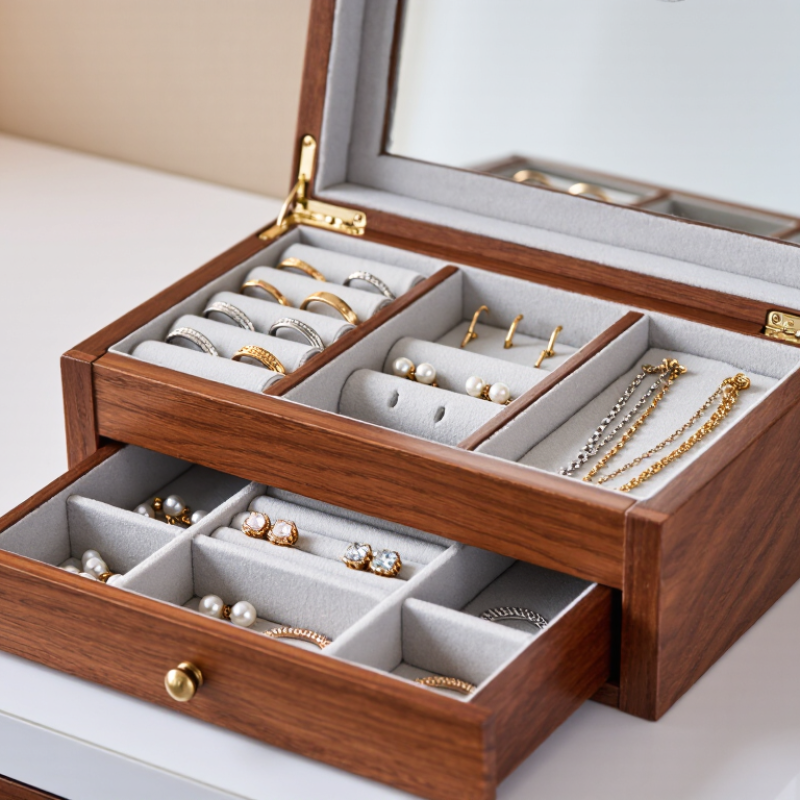
Choosing the right Jewellery Box For Ladies is about more than finding a pretty container. It should protect valuable pieces, simplify daily routines, and suit the owner’s personal style. A velvet-lined box may feel luxurious, while a wooden design can offer stronger structure and lasting appeal. The best choice depends on the jewellery collection, available space, and storage habits.

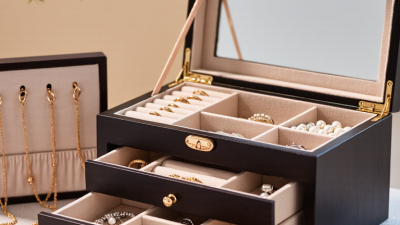
Look closely at the interior layout. Ring rolls should hold rings securely without crushing delicate settings. Small compartments can prevent earrings from disappearing beneath necklaces. A necklace section with individual hooks helps reduce tangles, especially when chains are fine and easily twisted. Soft lining matters too. Rough fabric or exposed metal edges may leave scratches over time.

Size deserves careful thought. A compact box suits a few everyday pieces, but it may become crowded as the collection grows. Larger models often include drawers, mirrors, travel sections, or removable trays. These features sound useful, yet extra compartments can become wasted space. That happened to me once.

Materials, hinges, closures, and cleaning needs also reveal product quality. A reliable jewellery box should open smoothly and remain stable on a dressing table. It should not produce a strong chemical smell or shed loose fibres. For frequent travel, lightweight construction and a secure closure are practical advantages. For home storage, heavier designs may feel safer and more durable.

There is no perfect box. Personal habits matter. A thoughtful comparison of protection, organisation, design, and price can lead to a choice that remains useful for years.
How to Choose the Best Jewellery Box for Ladies

Understanding Jewellery Box Types and Their Intended Uses

Choosing the best jewellery box starts with its intended use, not its colour or decoration. A shallow jewellery tray suits daily pieces, such as small earrings, rings, and delicate chains. Dividers prevent scratching and reduce tangled necklaces. A compartmentalised case works better for larger collections. Look for ring rolls, removable sections, and soft, non-abrasive lining. Fit matters.

The World Gold Council recorded 2,092.6 tonnes of jewellery demand in 2023. That figure reflects the wide range of pieces requiring different storage methods. A travel case should protect a few essentials inside a firm, compact shell. It should also close securely without crushing earrings. For watches or chunky bracelets, choose deeper compartments and stronger supports. A stackable box saves space in a small dressing area. An armoire offers better capacity, but it needs a stable, dry location.

Grand View Research valued the global jewellery market at approximately 353.26 billion US dollars in 2023. Its report projected continued growth through 2030. More jewellery can mean more storage problems. Yet sales data does not prove that every expensive box protects jewellery well. This is where practical checking matters. Test whether hooks hold chains apart. Check if the lid presses against taller pieces. Anti-tarnish fabric may help, but it cannot replace low humidity and regular cleaning. I once assumed more compartments meant better organisation. They did not; narrow spaces became difficult to reach. A simpler layout may serve everyday users better.
Assessing Storage Capacity for Different Jewellery Collections

Choosing a jewellery box starts with understanding the collection, not the box’s appearance. In my experience, a small collection needs about 10 to 15 ring slots, six necklace hooks, and two open compartments. Count each item honestly. Daily pieces often need more space than expected.

Measure the jewellery you own before shopping. Long necklaces may require hooks at least 18 centimetres high. Chunky bangles need wider sections, while delicate earrings benefit from shallow, divided trays. A collector with 30 pairs of earrings may need several removable panels. Someone with five necklaces may need more vertical hanging space instead. Capacity should match item types, not just the advertised number of compartments.

Leave some room between pieces. Crowded trays can cause chains to tangle and surfaces to scratch. I once chose a box based on its total slot count, but several compartments were too narrow for larger rings. That estimate was wrong. A useful box should provide around 20 percent spare capacity for future purchases. Velvet or soft fabric lining can reduce friction, but it does not replace careful placement. Check whether hinges feel stable and whether drawers open without catching. Collections change over time, so adjustable dividers may offer better long-term value than fixed sections. A box that looks spacious can still waste space if its layout ignores your jewellery’s actual shapes.

How to Choose the Best Jewellery Box for Ladies - Assessing Storage Capacity for Different Jewellery Collections
Jewellery Collection Profile Typical Collection Recommended Ring Slots Earring Storage Necklace Hooks Bracelet Compartments Suggested Box Capacity Recommended Features Suitability
Minimalist 2–4 rings, 2 pairs of earrings, 1–2 necklaces, and 1 bracelet 4–6 2–4 pairs 2–3 1–2 Small: 10–15 jewellery pieces Compact design, removable tray, soft lining, and a secure closure Excellent for everyday essentials
Everyday Jewellery Wearer 5–8 rings, 4–6 pairs of earrings, 3–5 necklaces, 2–3 bracelets, and 1 watch 8–12 6–8 pairs 5–7 3–4 Medium: 25–35 jewellery pieces Two or three tiers, divided compartments, watch cushion, and necklace separation Best balance for regular use
Fashion Jewellery Collector 8–15 rings, 8–12 pairs of earrings, 6–10 necklaces, 4–6 bracelets, and several hair accessories 12–18 10–16 pairs 8–12 5–8 Large: 45–65 jewellery pieces Multiple removable trays, earring boards, deep compartments, and adjustable dividers Suitable for varied collections
Fine Jewellery Owner 6–12 rings, 4–8 pairs of earrings, 3–6 necklaces, 2–4 bracelets, and 1–2 watches 10–16 6–10 pairs 6–8 4–6 Medium to large: 30–50 pieces Anti-tarnish lining, individual compartments, padded ring rolls, and a lockable design Best for organised protection
Statement Jewellery Collector 4–8 oversized rings, 6–10 pairs of earrings, 4–8 large necklaces, and 4–6 cuffs or bangles 6–10 8–12 pairs 6–10 6–10 deep spaces Extra-large: 35–55 bulky pieces Deep drawers, wide compartments, reinforced necklace hooks, and open-access sections Ideal for larger designs
Frequent Traveller 2–4 rings, 2–4 pairs of earrings, 2–3 necklaces, and 1–2 bracelets 4–6 2–4 pairs 2–3 1–2 Travel case: 8–15 pieces Lightweight construction, zipped closure, anti-scratch lining, and a compact mirror Best for short trips
Growing Collection 8–12 rings, 6–10 pairs of earrings, 5–8 necklaces, 3–5 bracelets, and 1–2 watches 12–18 8–12 pairs 8–12 5–8 Expandable: 40–60 pieces Stackable trays, removable dividers, spare compartments, and a flexible layout Best for future-proof storage

Capacity estimates are practical guidelines based on common jewellery types and average compartment sizes. Larger or heavily decorated pieces may require additional space, while delicate necklaces should be stored separately to reduce tangling.

Choosing Materials, Compartments, and Protective Features

A jewellery box should match the jewellery it protects, not merely look attractive. The World Gold Council reported 2,092.6 tonnes of gold jewellery demand in 2023. That scale reflects daily handling, storage, and repeated exposure to moisture. Choose a rigid outer shell with a smooth, non-abrasive lining. Velvet feels luxurious, but loose fibres may catch delicate settings. Cotton can absorb moisture, yet untreated fabric may leave dust behind. I once preferred a soft interior without checking its stitching. That was careless.

Compartment design matters more than decoration. Look for separate sections for rings, earrings, chains, and watches. Ring rolls should hold pieces firmly without squeezing them. Narrow grooves can prevent necklaces from sliding together. The Gemological Institute of America advises keeping pearls away from chemicals and abrasion. A lined, isolated compartment suits them better than a crowded drawer. Small sections help, but too many can waste space.

Protective features deserve close inspection. A secure hinge, rounded corners, and a reliable clasp reduce accidental damage during travel. Anti-tarnish fabric may help silver, but it cannot replace dry storage and regular cleaning. The Silver Institute’s World Silver Survey 2024 recorded strong silver jewellery demand, making practical storage increasingly relevant. Avoid boxes with strong chemical smells or exposed metal edges. The best design is not always the prettiest. Sometimes, I still choose appearance first, then regret the cramped compartments.

Matching the Box Design to Personal Style and Daily Habits

Choosing the best jewellery box starts with your daily habits, not only its appearance. A minimalist dresser may suit a slim box with clean lines and neutral fabric. Someone who wears several necklaces daily needs wider compartments and secure hooks. Small drawers can separate rings, earrings, and bracelets without creating a tangled morning routine.

Consider where you get ready. A lightweight box works well beside a mirror, while a heavier wooden design suits a fixed bedroom drawer. Check the lining carefully. Soft, non-abrasive fabric helps reduce scratches, especially on polished metals and delicate stones. A firm clasp also protects pieces from dust and accidental spills. However, too many compartments can become inconvenient. I once chose a highly divided box and stopped using half of them.

Tips: Match the box size to your real collection. Leave some empty space for future pieces. If you travel often, choose a compact case with elastic holders and a zipped section. If you prefer statement jewellery, select deeper compartments rather than shallow trays. Measure the storage area before buying. This simple step prevents awkward overhangs and blocked drawers.

Personal style can guide colour and material, but function should remain visible in the decision. A decorative box may look beautiful on day one, yet prove frustrating after repeated use. Notice your habits for one week. Do you remove jewellery quickly, or sort each piece carefully? The right design should support that behaviour, even when your routine is imperfect.

How to Choose the Best Jewellery Box for Ladies

Matching jewellery-box design to personal style and daily habits

The editorial fit score rates how well each box design supports a typical lifestyle. Compact travel cases suit frequent travellers, compartmentalised boxes work well for larger collections, and minimalist trays are ideal for people who wear a few everyday pieces.

Checking Security, Portability, Durability, and Overall Value

Choosing a jewellery box for ladies requires more than admiring its colour or shape. Security should come first. Look for a firm clasp, smooth hinges, and a lining that keeps pieces separated. A small lock can discourage casual opening, although it cannot replace careful storage. Check whether necklaces have individual hooks. Tangled chains waste time.

Portability matters when jewellery travels between home, work, and holidays. A compact box should fit inside a handbag without crushing earrings or rings. Test the handle and zipper before buying. The box should stay closed when turned upside down. I once chose a beautiful case with weak compartments. It looked elegant, but earrings slipped beneath the lining. That mistake changed how I inspect travel storage.

Durability depends on construction details. Dense fabric, reinforced corners, and strong stitching usually withstand daily handling better than thin decorative material. Wooden boxes may offer stability, while lightweight cases are easier to carry. Neither option is perfect. Consider the jewellery collection, travel habits, and available space. A mirror is convenient, but it can increase weight and breakage risk. Value comes from useful protection over time, not the lowest price. Compare capacity, materials, repairability, and warranty information. Read customer feedback carefully, especially comments about broken clasps or loose stitching. Small flaws matter. A box that protects frequently worn pieces may offer better value than a larger box filled with unused features.