How to Effectively Use Cardboard Boxes for Moving and Storage?
When it comes to moving and storage, the reliability of a cardboard box cannot be overstated. Renowned expert in packaging solutions, Sarah Greene, once said, "A cardboard box is not just a container, but a key to efficient organization." This insight highlights how essential these boxes are for making the moving process smoother and more manageable.
Using cardboard boxes correctly can save time and prevent stress. Proper labeling turns chaos into clarity. Think of how confusion can arise when items are jumbled together. A well-labeled box can dramatically ease the unpacking process. However, not all boxes are created equal. The importance of selecting the right size cannot be overlooked. Oversized boxes can lead to collapses, while too small boxes may require excessive packing.
People often overlook the need for durable materials. A flimsy cardboard box can damage valuable belongings. It’s essential to reflect on the quality, ensuring every box is sturdy. Using the right methods for packing and sealing is crucial. A good cardboard box is a lifetime investment if used wisely and thoughtfully.

Best Types of Cardboard Boxes for Safe and Efficient Moving
When it comes to moving, choosing the right cardboard boxes is crucial. Small boxes work well for heavy items like books. Medium boxes are perfect for kitchen items. Large boxes are ideal for lighter but bulkier items, such as bedding. Double-walled boxes add extra strength for fragile items, offering better protection.
Avoid using damaged boxes. They can collapse during transit. It’s also important to pack strategically. Fill boxes fully, but don’t overdo it. Leave some space for padding. Bubble wrap or crumpled paper can protect glassware and dishes. Label each box clearly. This makes unpacking much easier.
Think about your specific needs. Some people find it hard to choose the right size. Others forget to bring enough boxes. Always overestimate the number you need. It’s better to have a few extras than to run out mid-move. Reflect on what worked and what didn’t during your last move. Each move can teach you something new about using cardboard boxes effectively.
Cardboard Box Sizes for Moving and Storage
Optimal Box Sizes for Different Items to Maximize Space Utilization
Choosing the right box size is essential for efficient moving and storage.
Different items require different box sizes to maximize space. For instance, a report from the Moving and Storage Association states that about 35% of space is wasted due to poor box choices.
For heavy items like books, use smaller boxes. They are easier to lift and prevent injury. A box around 1.5 cubic feet is ideal for books. In contrast, larger boxes, about 4 to 6 cubic feet, work well for lighter items like bedding or cushions. This prevents overpacking and ensures your boxes are manageable.
Consider using specific sizes for fragile items as well. A box that is 2 cubic feet can hold dishes and glassware securely if packed with protective material. With household items, balance box weight and size. Overstuffed boxes break easily and create chaos. Analyze your belongings carefully. Not every item fits neatly. Reflect on each box you use; packing efficiently can save you time and space in the long run.
Essential Packing Techniques for Cardboard Boxes to Prevent Damage
When packing items in cardboard boxes, proper techniques are crucial. Begin by selecting the right size box for your belongings. Avoid packing heavy items in large boxes. This prevents the box from breaking during transportation. Use a mix of box sizes for efficient packing. Smaller boxes can hold books, while larger ones are perfect for clothes.
Cushion fragile items with bubble wrap or crumpled paper. Wrap each item carefully and secure it in place. Don’t forget to fill any empty space inside the boxes. This prevents movement during transit, reducing the risk of damage. Label each box clearly to identify its contents. Use words like “fragile” or “heavy” for quick reference.
Despite careful preparation, mistakes can occur. It’s easy to overlook small details. Make sure to check if all items are packed securely. Consider double-checking boxes before sealing them. Remember that cardboard boxes weaken over time, especially when exposed to moisture. Store them in a dry environment if possible.
How to Effectively Use Cardboard Boxes for Moving and Storage? - Essential Packing Techniques for Cardboard Boxes to Prevent Damage
| Packing Technique |
Description |
Benefits |
| Layering |
Place heavier items at the bottom and lighter ones on top. |
Prevents crushing of lighter items, ensures stability. |
| Padding |
Use bubble wrap, packing paper, or foam sheets. |
Protects fragile items from impact and scratches. |
| Sealing |
Use packing tape to securely seal boxes. |
Prevents box opening during transport, keeps items secure. |
| Labeling |
Clearly label boxes with contents and destination. |
Makes unpacking organized and efficient. |
| Box Selection |
Choose the right size and quality of boxes. |
Ensures the safety of items and maximizes space. |
Sustainable Practices in Cardboard Box Disposal and Recycling
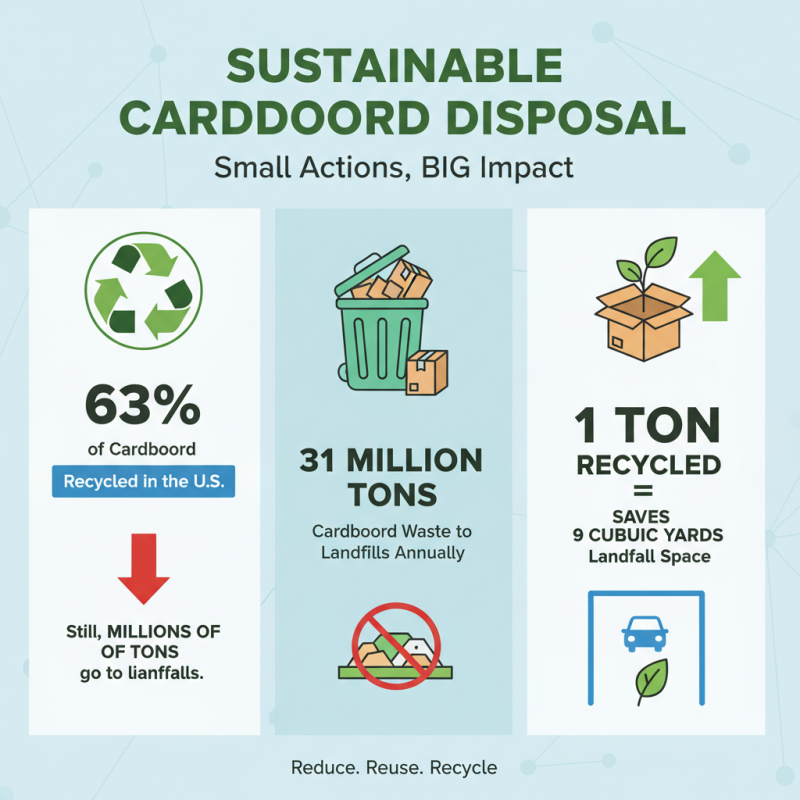
Many people underestimate the impact of cardboard box disposal. In the United States, about 63% of cardboard is recycled. Yet, around 31 million tons of cardboard waste still end up in landfills each year. This is a massive waste of resources. Every ton of recycled cardboard saves 9 cubic yards of landfill space. That's an area the size of a parking space.
Recycling cardboard not only reduces waste but also saves energy. It takes 75% less energy to make recycled cardboard than new cardboard. In practical terms, that means recycling one ton of cardboard saves enough energy to power an average home for six months. However, many still throw boxes away instead of recycling them. This attitude needs change.
Sustainable disposal starts at home. Flattening boxes can save space in recycling bins. Also, consider using boxes multiple times before discarding them. Instead of seeing them as disposable, view them as a reusable resource. Encourage your community to join local recycling initiatives. Awareness is key; it’s time to reflect on how our habits contribute to waste.
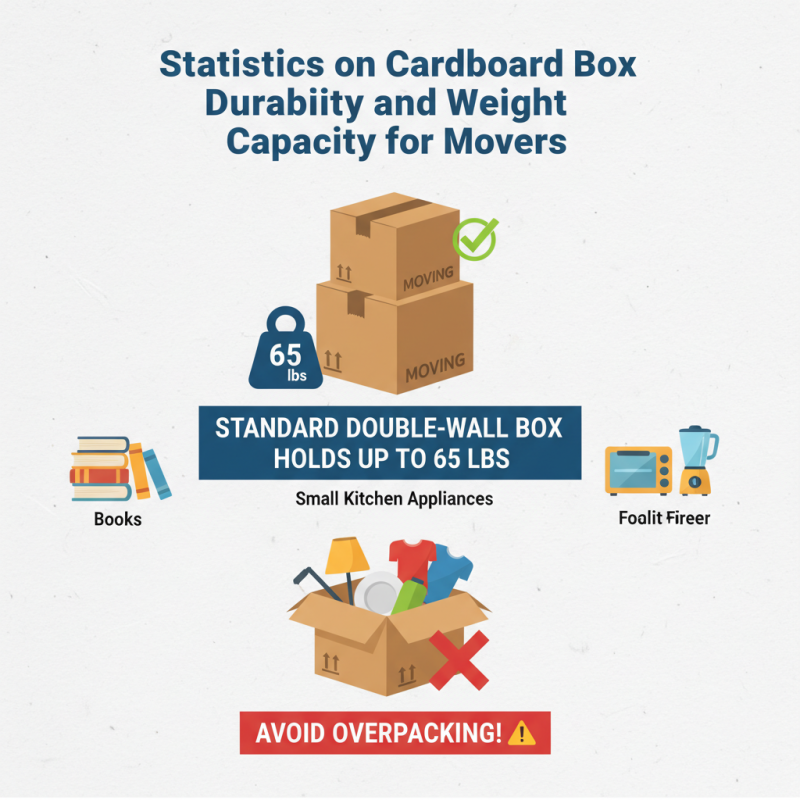
Statistics on Cardboard Box Durability and Weight Capacity for Movers
When it comes to moving and storage, cardboard boxes are essential. They offer durability and weight capacity that is often overlooked. Statistics show that a standard double-wall cardboard box can hold up to 65 pounds. This makes them suitable for various items, from books to small kitchen appliances. However, many people ignore the weight limit and overpack.
One common mistake is assuming all cardboard boxes are the same. Different box types serve different purposes. A box designed for heavy items has a thicker wall. Some boxes are meant for lightweight items only. The capacity often depends on how you pack the box. Boxes filled to the brim may appear full, but this can compromise their integrity.
Choosing the right box is crucial. Consider the item’s weight, size, and shape. Not every fragile item will fit safely in a regular box. Breakables need extra care. It's wise to use additional padding or smaller boxes. Ultimately, understanding these statistics can lead to more effective packing. This not only protects valuable items but also enhances the overall moving experience. Striking a balance between weight and capacity is key.