How to Choose the Right Cardboard Box for Shipping Needs?
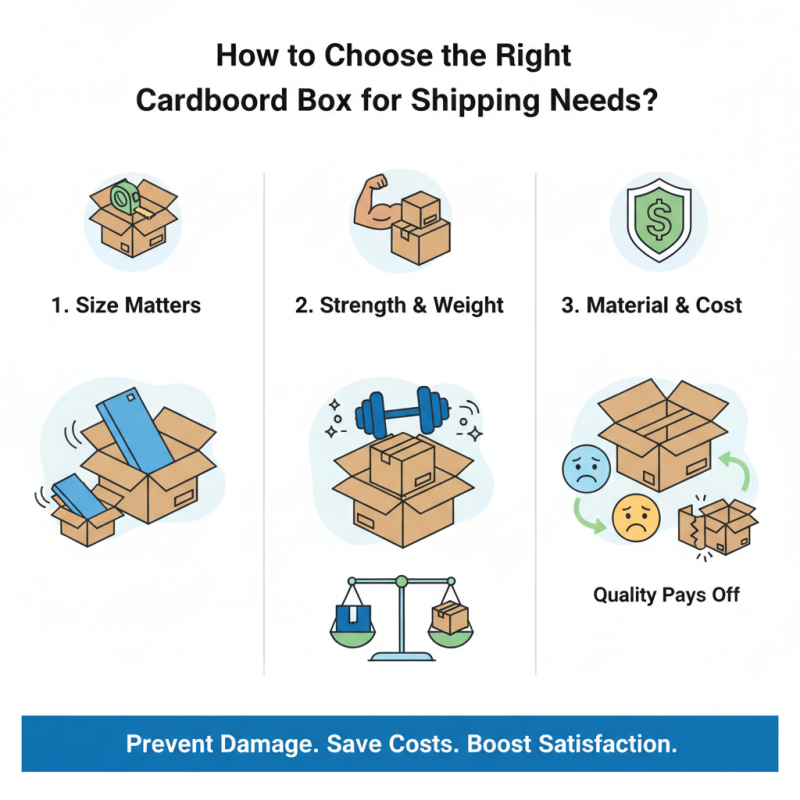
When shipping goods, selecting the right cardboard box is crucial. According to industry expert John Smith, "The right box can prevent damage and save costs." A cardboard box serves as a protective shield during transit, ensuring items reach their destination intact. However, many overlook the importance of size, strength, and material.
Choosing a cardboard box requires careful consideration. The wrong size may lead to movement within the box, increasing the risk of damage. Additionally, lightweight boxes may not provide sufficient protection for heavier items. Smith emphasizes the need to match the box's strength with the product's weight and fragility. This attention to detail can make a significant difference.
It’s easy to focus solely on cost, but this can lead to oversights. A cheap box may save money upfront but costs more in the long run if products are damaged. Therefore, selecting the right cardboard box is not just about saving a few dollars; it reflects a commitment to quality and customer satisfaction.
Understanding Your Shipping Needs: Assessing Size and Weight
When assessing your shipping needs, size and weight are critical factors. First, measure your items carefully. Use a tape measure to get precise dimensions. This helps in selecting a box that minimizes movement during transit. If an item is too loose in the box, it might get damaged. Make sure to account for additional packaging materials like bubble wrap or packing peanuts.
Weight also plays a significant role in your choice. Heavier items require sturdy boxes to ensure safe delivery. You don’t want a weak box that collapses. Remember that weight can influence shipping costs. Choosing a lighter box might save money but may compromise strength and protection.
Consider the contents of your shipment as well. Will they break easily? For fragile items, a double-walled cardboard box offers extra protection. Think about how you feel when receiving a package. You want it to arrive in perfect condition. Reflecting on these aspects can enhance your shipping experience and build trust with your customers.
Types of Cardboard Boxes: Choosing the Right Style for Your Items
When selecting a cardboard box for shipping, understanding the various types available is crucial. Different items require specific styles. For instance, single-wall boxes are lightweight and cost-effective. They work well for lighter goods. According to the International Corrugated Packaging Foundation, over 95% of U.S. products are shipped in corrugated boxes. This highlights their widespread use and reliability.
Double-wall boxes offer extra strength. They are suited for heavier or fragile items. The American Forest and Paper Association notes that the durability of double-wall construction can reduce damage during transit. However, they may increase shipping costs due to their weight. Balancing cost and protection is essential.
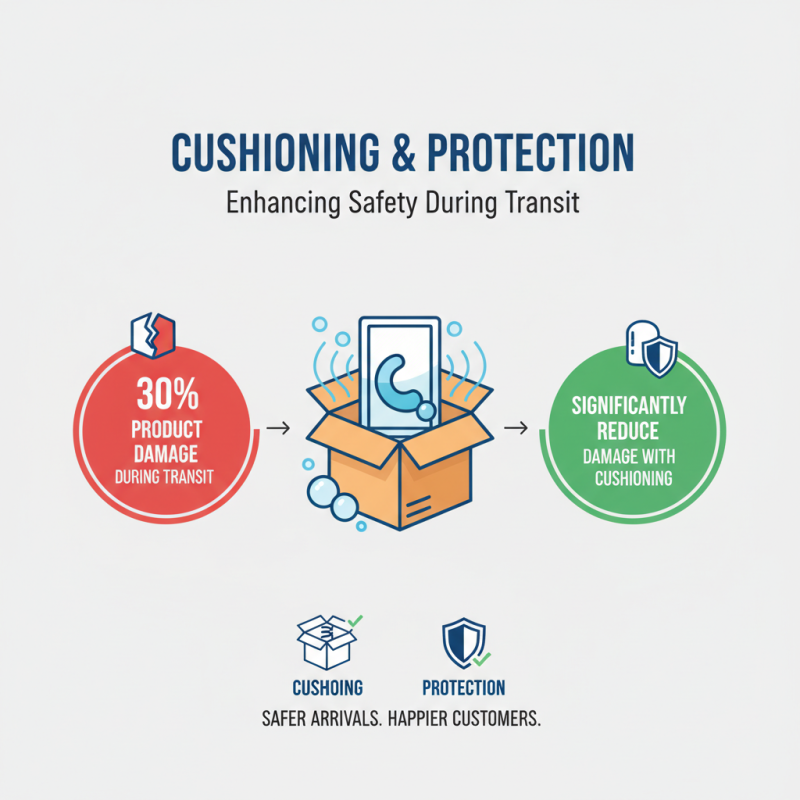
For delicate products, consider using boxes with internal cushioning. Custom-sized boxes can minimize movement and damage. Ready-to-assemble options are also handy for quick shipping. Yet, one must be cautious with packaging design; poor choices can lead to increased returns. An estimated 30% of packages are returned due to improper packaging, reflecting the need for careful selection.
Material Matters: Selecting Durable and Eco-Friendly Options
When selecting cardboard boxes for shipping, material quality plays a crucial role. Choosing durable and eco-friendly options ensures your items arrive safely while minimizing environmental impact. Many companies are shifting towards recycled materials. This decision reflects growing consumer awareness about sustainability. Opting for boxes made from recycled content can reduce waste and promote a circular economy.
Tips: Look for boxes with a high recycled content percentage. This not only supports eco-friendly practices but also adds strength to the box. Additionally, consider biodegradable options. These materials break down more naturally, reducing pollution.
In the realm of shipping, lightweight yet sturdy boxes are invaluable. They help reduce shipping costs while safeguarding your products. However, it’s essential to evaluate if lightweight options compromise durability. Testing different box types can help determine the best fit for your needs. Be cautious; sometimes, the cheaper choice may not withstand the rigors of shipping. Balancing cost, durability, and environmental responsibility is key.
Cost Considerations: Balancing Quality and Budget for Shipping Boxes
Choosing the right cardboard box for shipping isn't just about quality; cost plays a significant role. Many businesses struggle with balancing these two factors. High-quality boxes ensure product safety but often come at a premium. On the other hand, cheaper options can save money but risk damage during transit. Striking the right balance is crucial.
Consider your product type when selecting boxes. A fragile item may require reinforced boxes, increasing costs. Alternatively, lightweight products might not need such robust packaging. It's essential to evaluate the potential loss from damaged items against the initial savings from lower-quality boxes. Sometimes, spending a little more upfront avoids bigger costs down the line.
Budgeting for cardboard boxes also involves analyzing shipping volumes. Orders for seasonal peak times may require bulk purchasing. However, bulk might also lead to overstock and wastage if not managed. Tracking past shipping experiences can inform better budget decisions moving forward. Reflecting on actual shipping outcomes helps create a more effective strategy for future needs.
How to Choose the Right Cardboard Box for Shipping Needs?
| Box Type |
Material |
Dimensions (inches) |
Weight Capacity (lbs) |
Cost per Box ($) |
| Regular Slotted Container |
Corrugated Paper |
12 x 12 x 12 |
50 |
1.50 |
| Die-Cut Box |
Heavy-Duty Corrugated |
10 x 5 x 3 |
30 |
1.00 |
| Telescoping Box |
Double-Wall Corrugated |
14 x 14 x 24 |
100 |
3.00 |
| Full-SOver Box |
3-Ply Corrugated Paper |
16 x 16 x 16 |
60 |
2.00 |
| Mailer Box |
Rigid Corrugated |
9 x 12 |
15 |
0.80 |