What to Consider When Choosing a Wrist Watch Case?
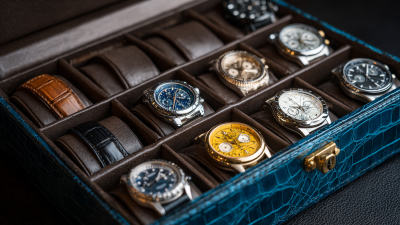
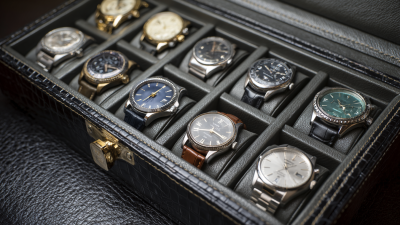
When selecting a wrist watch case, many factors come into play. The right case not only protects your timepiece but also complements its design. A well-crafted wrist watch case can enhance durability and aesthetics. However, making the right choice can be challenging.
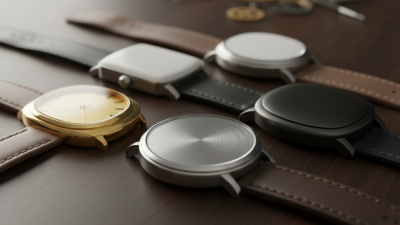
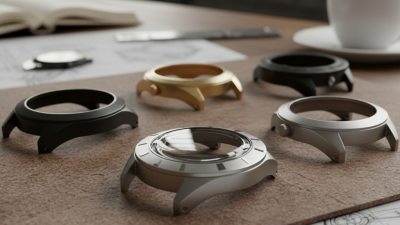
One must consider materials like stainless steel, titanium, or plastic. Each material offers unique benefits and drawbacks. For instance, stainless steel provides strength but can be heavy. In contrast, a lightweight case might lack the sturdiness you desire.
Additionally, size matters. An oversized case can appear awkward on a smaller wrist, while a too-small case may look lost. Functionality also plays a role. Should you opt for water resistance or a specific style? This choice can affect your overall satisfaction. Ultimately, understanding your needs is crucial. Consider your lifestyle and preferences as they directly influence your choice. A wrist watch case is not just a protective layer; it reflects who you are.

Factors to Consider in Wrist Watch Case Material Selection
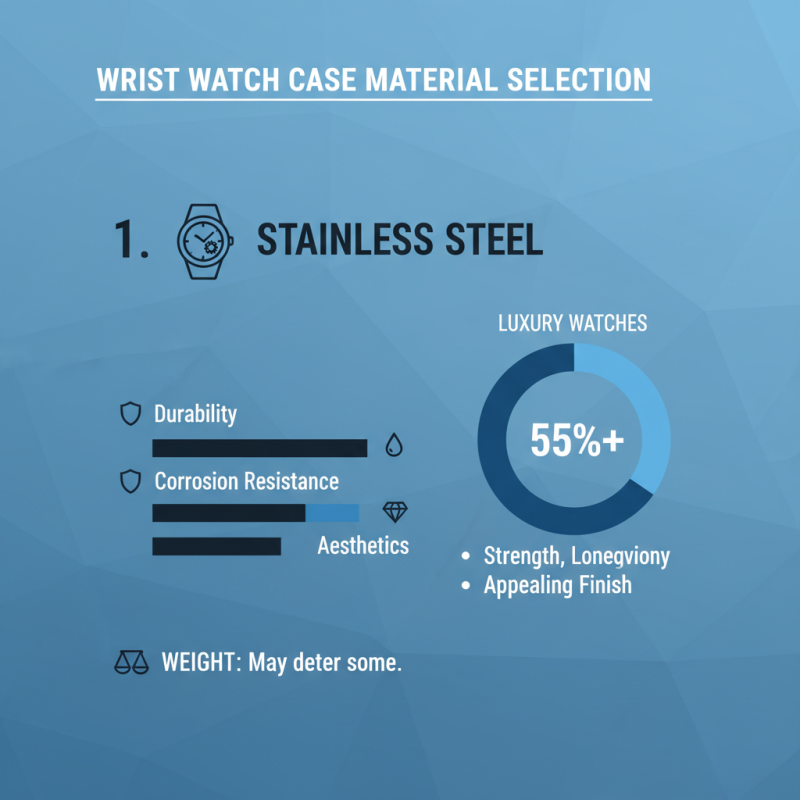
When selecting a wristwatch case, material choice significantly influences durability, comfort, and overall aesthetics. Stainless steel remains a leading choice, known for its strength and resistance to corrosion. Industry statistics indicate that over 55% of luxury watches utilize stainless steel due to its appealing finish and longevity. However, the weight may deter some users seeking a lighter option.
Another popular material is titanium. It is approximately 45% lighter than steel and exhibits excellent corrosion resistance. Research shows that the demand for titanium watches has increased by 30% in the last five years, reflecting a shift towards lighter, more durable timepieces. Nevertheless, titanium often comes at a higher price point, which can be a drawback for budget-conscious shoppers.
Additionally, ceramic and resin have gained traction, especially among younger consumers seeking modern designs. Ceramic cases offer scratch resistance but can be brittle if dropped. On the other hand, while resin is lightweight and versatile, it may lack the premium feel of metal cases. Balancing these factors is crucial for anyone considering a wristwatch, highlighting the need for thoughtful selection based on lifestyle and preferences.
Understanding Different Types of Watch Case Shapes and Their Impact
Choosing the right watch case shape can significantly influence your overall experience. Watch cases come in various shapes: round, square, rectangular, and tonneau. Each has its unique flair and functionality. For instance, round cases are timeless and tend to fit most wrist sizes comfortably. They suit both casual and formal attire. In contrast, square and rectangular shapes offer a more modern aesthetic, appealing to those who like to stand out.
Next, consider how the shape affects comfort and wearability. A round case might feel more natural on the wrist, while a square case could dig into the skin if it doesn't fit well. The thickness of the case also matters. Slim cases provide elegance, while thicker cases can convey ruggedness. When choosing a watch, take time to try on different styles. Pay attention to how they feel during daily activities.
Watch case shapes also reflect personal style. Some prefer bold designs, while others lean towards classic looks. Opt for a design that resonates with your personality. However, watch enthusiasts often emphasize that the right shape is not just about looks; it should enhance your lifestyle. Reflect on your choices and ensure your watch case aligns with your daily needs.
Watch Case Shapes and Their Popularity
Evaluating Case Size and Its Suitability for Your Wrist
When choosing a wristwatch case, the size is a critical factor. The ideal case size should complement your wrist. For instance, smaller wrists often look better with cases under 38mm. Conversely, larger wrists can support cases above 42mm. A mismatch can create an unbalanced look. It's essential to try on different sizes to see what feels right.
In addition to aesthetics, comfort is paramount. A proper fit means the watch should sit snugly without pinching or sliding around. It might take a bit of trial and error. Pay attention to how the case interacts with your wrist. After wearing a watch for a while, ask yourself:
Does it still feel comfortable? Is it too heavy? These are vital considerations.
Finally, consider the width and shape of the case. Some cases are round, others are rectangular. Each shape can influence how the watch sits on your wrist. The thickness matters too. A thicker case can make the watch feel larger and more substantial. Check for versatility in different settings, from casual to formal. Finding the right case is not just about appearance; it impacts overall enjoyment and usability.
Water Resistance Ratings: What You Need to Know for Your Watch Case
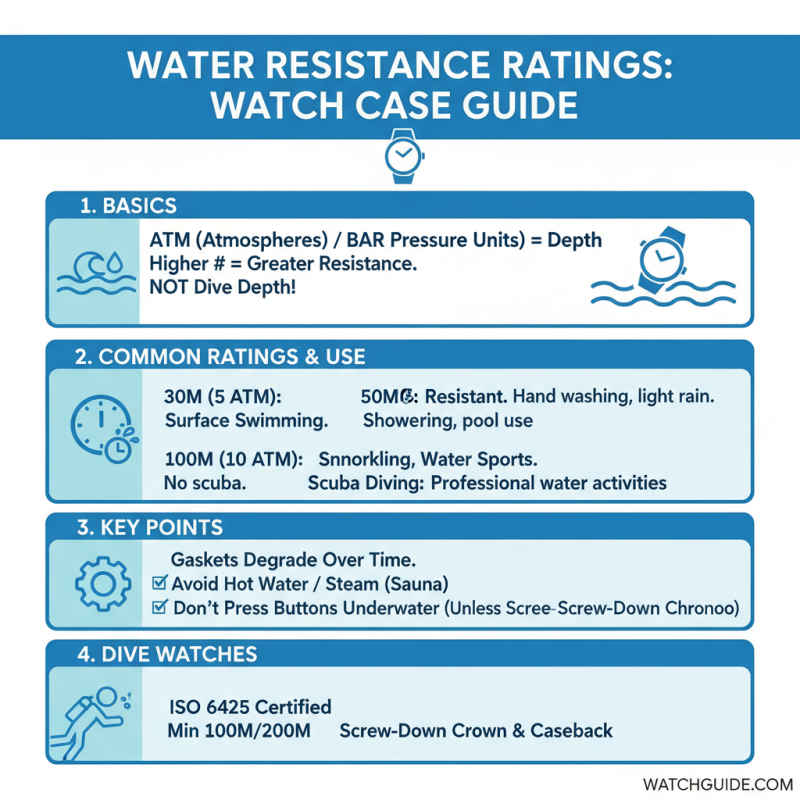
When selecting a wristwatch, water resistance ratings are crucial. These ratings indicate how well a watch can withstand moisture. They vary widely, so understanding them is essential.
Common ratings include 30 meters, 50 meters, and higher. A watch rated at 30 meters can handle splashes but isn’t suitable for swimming. A 50-meter watch is more versatile, offering some protection during light spills or swimming. For divers, a watch rated at 100 meters or more is necessary.
It's important to note that water resistance can diminish over time. Gaskets may wear out or seals can break. Regular maintenance is key to keep your watch intact. Please remember that water resistance does not last forever. Periodic checks are advisable. Understanding these ratings will help ensure your watch serves you well in various environments.
The Role of Watch Case Thickness in Style and Comfort
When considering watch case thickness, it's essential to balance style and comfort. A thicker case can evoke a strong, bold look. Reports indicate that 60% of consumers prefer watches with a case thickness between 10mm and 14mm. This range seems ideal for many wearers, blending a substantial presence with everyday comfort. However, the aesthetic might not align with all styles. Thicker cases can feel cumbersome, especially during prolonged wear.
Conversely, a thinner case can offer a sleek, refined appearance. Many wearers appreciate the subtlety of a 6mm to 9mm thickness. Lightweight options tend to enhance comfort and are often favored for formal occasions. However, the trade-off can be durability. Reports show that thinner cases may compromise robustness, making them prone to scratches and damage. This reflects the ongoing debate among enthusiasts: aesthetics versus practicality.
In exploring these factors, personal preference plays a crucial role. Some may prioritize trendiness without considering long-term wearability. Others might reflect on how a watch feels on the wrist throughout the day. Ultimately, the choice of case thickness requires careful consideration of lifestyle and purpose, coupled with an understanding of how it impacts the overall experience of wearing a wristwatch.
What to Consider When Choosing a Wrist Watch Case? - The Role of Watch Case Thickness in Style and Comfort
| Watch Case Thickness (mm) |
Style Category |
Comfort Rating (1-10) |
Recommended for |
| 6-8 |
Classic |
8 |
Formal Occasions |
| 8-10 |
Sports |
9 |
Active Lifestyle |
| 10-12 |
Fashion |
7 |
Everyday Wear |
| 12-14 |
Luxury |
6 |
High-End Events |
| Over 14 |
Diver |
10 |
Underwater Activities |