How to Choose the Best Travel Box for Your Needs?
Choosing the right Travel Box can significantly enhance your travel experience. A good Travel Box adds convenience and organization to your journeys. Whether you’re heading for a weekend getaway or an extended adventure, the right box will protect your belongings.
Consider your personal needs when selecting a Travel Box. Think about the type of trips you take. Are you a frequent flyer or a road trip enthusiast? Your choice should reflect your travel habits. Remember, a Travel Box should not just look good; it must be functional too.
Evaluate the materials and design features that suit you best. A sturdy box with adequate compartments is essential for easy access. Keep in mind that not all Travel Boxes are created equal. Some may fall short in quality or durability. Reflecting on your previous experiences may guide you to make a better choice this time.
Understanding Different Types of Travel Boxes Available in the Market
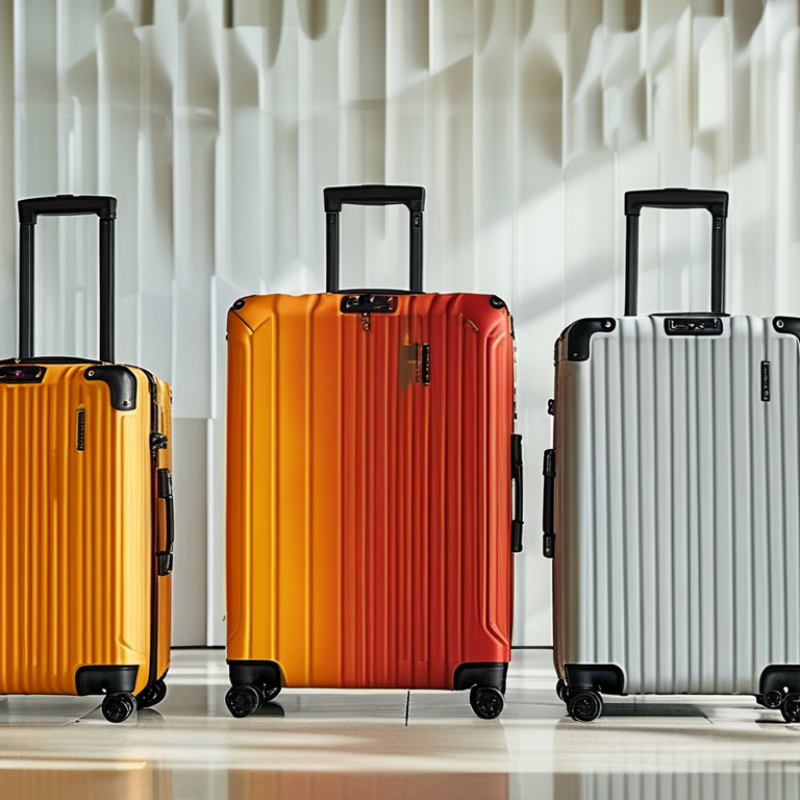
When selecting the ideal travel box, it's essential to understand the various types available. Travel boxes mainly fall into three categories: hard-sided, soft-sided, and collapsible. Data shows that 55% of travelers prefer hard-sided boxes due to their durability and security features. These boxes offer superior protection for fragile items, making them a prudent choice for longer trips or delicate belongings. However, they can be heavier and bulkier, which might not suit every traveler.
Soft-sided travel boxes have gained popularity, accounting for about 30% of the market. They are lightweight and flexible. These boxes often feature multiple compartments and expandability, catering to diverse packing needs. However, some travelers find them less secure. They may lack the same level of protection against impacts as hard-sided boxes. Collapsible options, though less common, are ideal for those with limited storage space. They can be folded away when not in use, but buyers should note that compromises in structure can reduce their overall reliability.
Selecting the right box isn’t just about preference. It’s crucial to consider the type of travel you do. Smaller travelers may find lightweight options more convenient. Conversely, frequent flyers with heavier gear might prioritize sturdiness. Each choice has its trade-offs and reflects the unique needs of the traveler. Understanding these aspects can help in making an informed decision.
Identifying Your Specific Travel Needs and Requirements
When choosing a travel box, it’s crucial to identify your specific needs. Consider the duration of your trip. Will you be away for a weekend or several weeks? The length of travel impacts the size and type of box you need. A compact box may suffice for short trips, while a larger option is better for extended journeys.
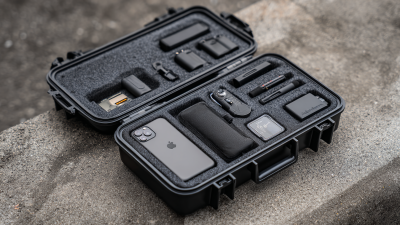
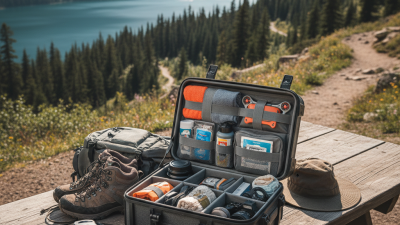
Think about the types of items you will carry. Are you packing clothes, electronics, or outdoor gear? Each category has unique requirements. For clothes, you might need compartments to stay organized. If you’re bringing electronics, look for a padded box for protection. Sometimes, people overlook the need for easy access. You may want a design that allows quick retrieval of essential items while on the go.
Reflect on your travel style as well. Do you prefer a minimalist approach, or do you like to be prepared for anything? This preference can lead to selecting a box that fits your philosophy. Some travelers may regret choosing a box that does not align with their habits. Assessing your style can lead to a more satisfying travel experience. Ultimately, understanding these needs will guide you in selecting the best travel box.
Evaluating the Durability and Material of Travel Boxes
When selecting a travel box, the durability and material are crucial factors. Studies indicate that travel boxes made from
high-density polyethylene (HDPE) can withstand significant impact. They resist scratches and dents better than other materials.
Moreover, a report from the International Organization for Standardization highlights that superior materials can extend the lifespan of travel boxes significantly.
Travel boxes crafted from aluminum are often regarded as the gold standard. They provide robust protection against harsh conditions.
However, they can be heavy and may add weight to your luggage. A survey by the Travel Goods Association found that 70% of frequent travelers prioritize weight and durability equally in their choices.
This points to a need for compromise based on individual travel styles.
Consider also the stitching and zippers. A well-constructed zipper can prevent theft and keep contents secure.
However, zippered boxes may fail under stress if not reinforced properly. There’s a balance to strike between functionality and material cost.
It is often the case that cheaper materials offer temptations that lead to disappointment over time.
Comparing Size and Weight for Optimal Portability
When selecting a travel box, size and weight can make all the difference. A compact box saves space and simplifies your journey. Look for dimensions that fit your travel needs. Consider what you will pack. A smaller box may be lighter but could limit your options. Conversely, a larger box offers more room but may be cumbersome to carry.
Weight is another crucial factor. A lightweight box makes it easier to transport during your travels. It can help you avoid additional fees from airlines if it's under the weight limit. Test different boxes to find one that strikes a balance between space and weight. A box that feels too heavy can become a burden over time.
Remember that everyone's needs differ. Some may prioritize durability over weight, while others may seek portability above all. Reflect on your habits. Do you tend to pack light or heavy? How do you usually travel? A box that works for one person may not suit another. Evaluate your lifestyle and travel preferences to make the best choice.
Assessing Price Point Versus Features and Benefits
When choosing a travel box, understanding the price versus features is crucial. Many travelers often overlook how essential features can enhance their experience. It may be tempting to pick a cheaper option, but a lack of durability can lead to added costs. A solid travel box should protect your belongings while still being light weight. Look for boxes with compartments. These can keep your items organized.
Consider what features matter most to you. Is it water resistance? Or perhaps easy accessibility? Some boxes also offer an expandable design. This can be handy for unexpected extra items. Reflect on your travel habits. Frequent flyers need a box that fits cabin requirements. That’s vital to avoid extra fees at the airport.
Evaluate the long-term benefits of your investment. An expensive box with excellent features can serve you longer. On the other hand, a lower-priced option might break or falter quickly. You need to weigh durability against the immediate price. Think of how often you travel and what conditions your box will face. A thoughtful choice can save you money and stress down the line.