Why Choose Cardboard Box for Your Packaging Needs?
When it comes to packaging needs, the **Cardboard Box** stands out as a versatile choice. Cardboard boxes are not just common but also practical for various industries. Their lightweight nature makes them easy to handle and transport, reducing shipping costs significantly. Many companies rely on cardboard for storing products securely.
In addition to cost-effectiveness, cardboard is an eco-friendly option. It is recyclable and biodegradable, which helps businesses reduce their environmental footprint. Many consumers prefer sustainable packaging, influencing brands to embrace cardboard as their primary solution. However, some might question its durability compared to plastic or metal alternatives.
Despite these benefits, cardboard boxes can have limitations. They may not always withstand high moisture, leading to potential damage. Companies must consider their specific needs. Overall, the popularity of cardboard boxes highlights their effectiveness in combining sustainability with functionality. This makes them a reliable choice for various packaging requirements.
Benefits of Using Cardboard Boxes for Packaging Solutions
When considering packaging solutions, cardboard boxes stand out for several reasons. They are
lightweight yet durable, making them ideal for transporting goods safely. According to the Fibre Box Association,
about 95% of retail products in the U.S. use some form of **corrugated cardboard** in their packaging. This reflects the material's
versatility and efficiency.
A significant benefit of cardboard boxes is their eco-friendliness. They are made from renewable resources
and are often recyclable. In fact, a 2022 study by the International Corrugated Packaging Foundation reported that over
75% of consumers prefer brands that use sustainable packaging. This growing demand for green solutions
pushes companies to reconsider their packaging choices.
However, there are challenges. Not all cardboard boxes are created equal. Businesses must ensure they choose the right type for their products.
Weaker boxes may lead to damages during shipping. Additionally, while recyclable, not all users are aware of proper disposal methods.
This can lead to cardboard waste in landfills. Addressing these issues requires ongoing education
and innovation within the industry.
Environmental Sustainability of Cardboard Packaging Materials
Cardboard packaging is gaining popularity, particularly due to its environmental benefits. Studies show that cardboard is made from renewable resources. This makes it an excellent choice for eco-conscious businesses. According to a recent report by the Environmental Protection Agency, approximately 75% of cardboard is recycled in the U.S., making a significant impact on waste reduction.
Moreover, cardboard packaging typically has a lower carbon footprint compared to plastic. It requires less energy to produce and is biodegradable. A study published in the Journal of Cleaner Production indicates that switching to cardboard can reduce greenhouse gas emissions by up to 50%. This transition is not just beneficial for the planet but can also improve a company's brand image.
**Tips:** If you're looking to enhance sustainability, consider using recycled cardboard. Research shows that consumers are willing to pay more for products with eco-friendly packaging. Additionally, participate in local recycling programs to help foster a circular economy. Taking small steps like these can contribute to larger environmental goals.
Environmental Sustainability of Cardboard Packaging
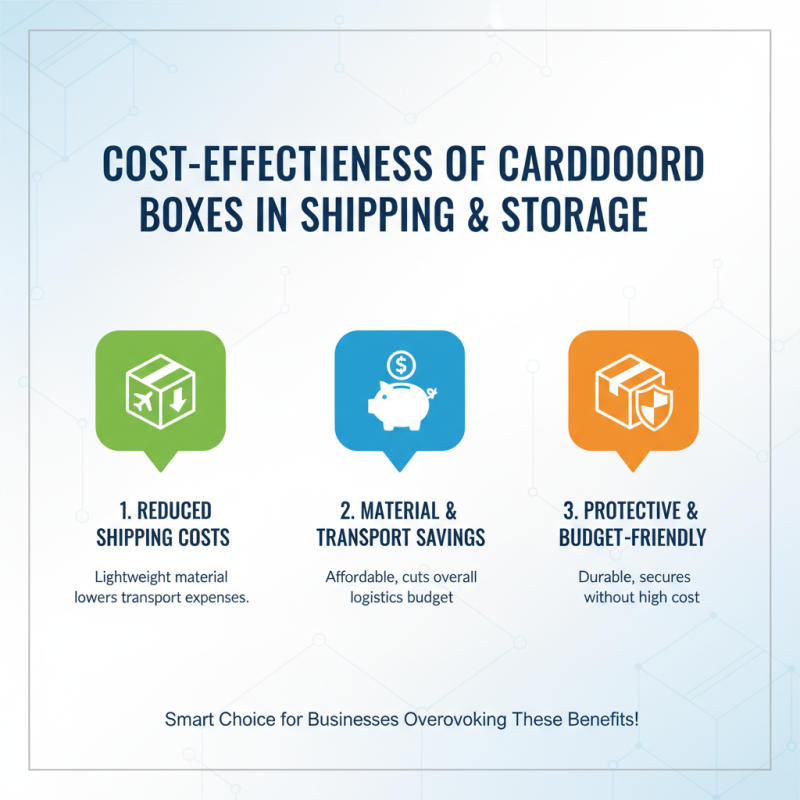
Cost-Effectiveness of Cardboard Boxes in Shipping and Storage
Cardboard boxes offer significant cost-effectiveness in shipping and storage. They are lightweight, which reduces shipping costs. Many businesses often overlook this aspect. By using cardboard, companies can save money on both materials and transportation. The cardboard material is durable yet affordable. It provides sufficient protection for various products while remaining budget-friendly.
In many warehouses, cardboard boxes are easily stacked and stored. This maximizes space without incurring additional costs. However, some companies struggle with the right sizing. Using boxes that are too large can lead to wasted space and materials. It's essential to choose the appropriate dimensions for storage efficiency. While cardboard can be recycled, not all companies prioritize this. Thus, the environmental aspect may require further consideration.
Some users find that cardboard boxes can lack durability in harsh conditions. This presents a challenge during shipping or extended storage periods. Proper handling and material selection are crucial to maintaining their integrity. Despite some imperfections, cardboard remains a popular choice. It embodies a balance between cost and functionality for many businesses.
Versatility of Cardboard Boxes for Various Products and Industries
Cardboard boxes are a go-to choice for various industries. Their versatility makes them suitable for packaging a wide range of products. From electronics to food items, these boxes offer protective solutions that adapt to specific needs. For example, a seed company uses custom cardboard packaging to ensure delicate seeds remain intact during transit. This level of customization enhances brand integrity while providing essential protection.
In retail, cardboard boxes are not just practical; they're also eco-friendly. Many businesses emphasize sustainability, and cardboard is recyclable. A small bakery, for instance, uses minimalistic cardboard boxes for pastries. This decision not only reduces waste but also appeals to environmentally conscious consumers. Yet, some companies struggle with the balance between cost and quality. While cardboard can be cheaper, inadequate materials may lead to product damage. Investing in robust cardboard can prevent such issues in the long run.
Moreover, the lightweight nature of cardboard aids in shipping efficiency. Businesses can cut down on shipping costs significantly by using lighter packaging. For example, a small online retailer manages to reduce their overall expenses by opting for lightweight cardboard boxes instead of plastic. However, it is crucial to test different weights and strengths for optimal protection. This experimentation can lead to a more trustworthy product delivery, ensuring customers receive their items in perfect condition.
Why Choose Cardboard Box for Your Packaging Needs?
| Product Type |
Industry |
Box Size (inches) |
Weight Capacity (lbs) |
Eco-Friendly |
| Electronics |
Technology |
12 x 12 x 6 |
30 |
Yes |
| Food Items |
Food & Beverage |
10 x 10 x 10 |
25 |
Yes |
| Clothing |
Apparel |
14 x 10 x 3 |
15 |
Yes |
| Cosmetics |
Beauty |
8 x 6 x 4 |
10 |
Yes |
| Toys |
Children's Products |
16 x 12 x 8 |
40 |
Yes |
Customization Options for Cardboard Packaging to Enhance Branding
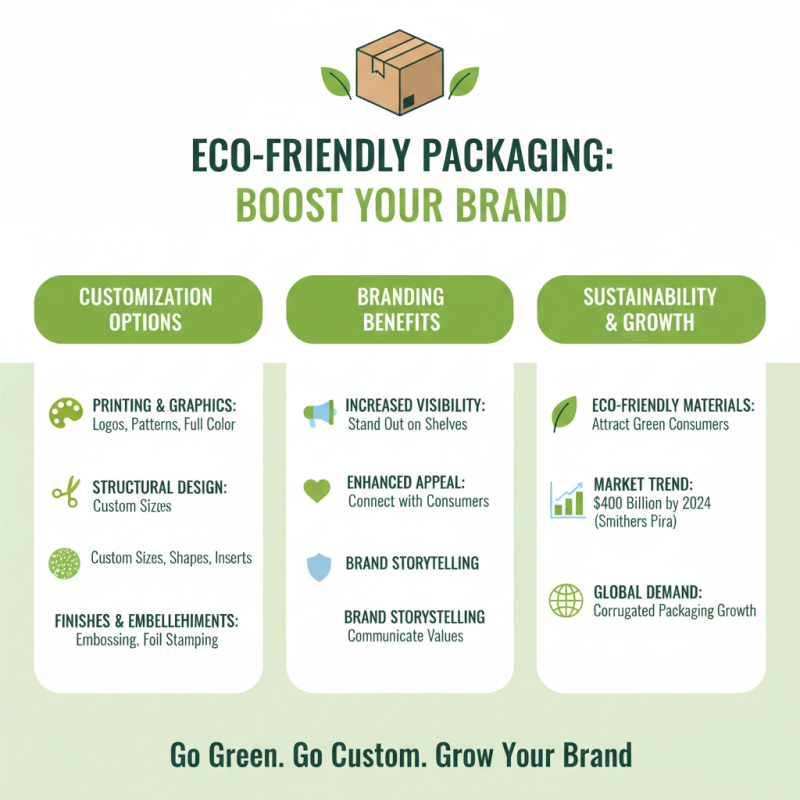
Cardboard packaging offers extensive customization options that can significantly enhance your brand's visibility and appeal. According to a report by Smithers Pira, the global market for corrugated packaging is poised to reach approximately $400 billion by 2024. This growth is driven, in part, by brands prioritizing eco-friendly materials. Custom designs on cardboard can align with sustainability goals, attracting environmentally-conscious consumers.
Color, texture, and size all influence consumer perception. Research shows that visual appeal can boost purchase intentions by over 70%. Unique designs can create memorable experiences. However, not all customization efforts yield positive results. Brands should avoid overly complex designs that dilute messaging. A clear logo, combined with engaging colors, can elevate brand identity.
While the options are vast, some businesses struggle to balance creativity and functionality. Overcomplicated packaging may lead to higher production costs and logistical challenges. Finding the right supplier is essential. Collaborating with a knowledgeable partner can ensure customized solutions align with operational needs. An imperfect design might still capture attention, but it must also be practical for shipping and storage. Thus, customization is a double-edged sword that requires careful consideration.