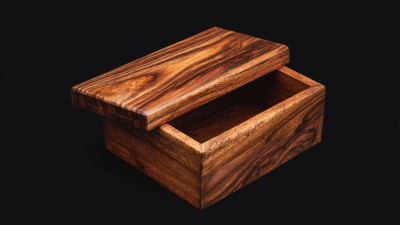
How to Choose the Best Wooden Box for Your Needs?
When selecting the right wooden box, it’s crucial to consider various factors. The demand for wooden boxes has steadily increased, with market research indicating a growth rate of 5.5% annually in the packaging industry. An expert in the field, Dr. Emma Hart, states, "Choosing the right wooden box can make a significant impact on both functionality and aesthetics." This highlights the importance of a thoughtful decision.
Different types of wooden boxes serve distinct purposes, from storage to presentation. High-quality materials and craftsmanship play a vital role in durability. Studies show that about 70% of consumers prefer sustainable packaging solutions. Wooden boxes naturally cater to this preference, offering an eco-friendly option.
It's also essential to reflect on personal needs and not rush the process. Consider dimensions, weight, and style that best fit your requirements. A poorly chosen wooden box can compromise everything from product safety to brand image. Take time to explore options and seek expert advice when necessary.
Understanding the Different Types of Wooden Boxes Available
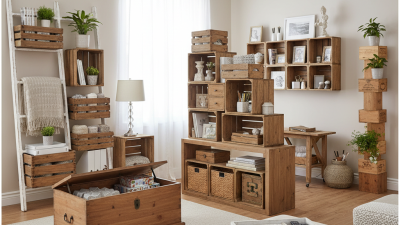
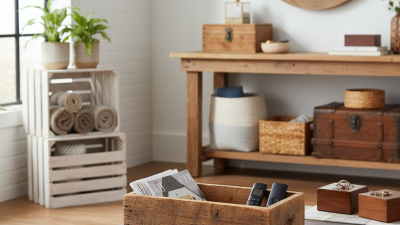
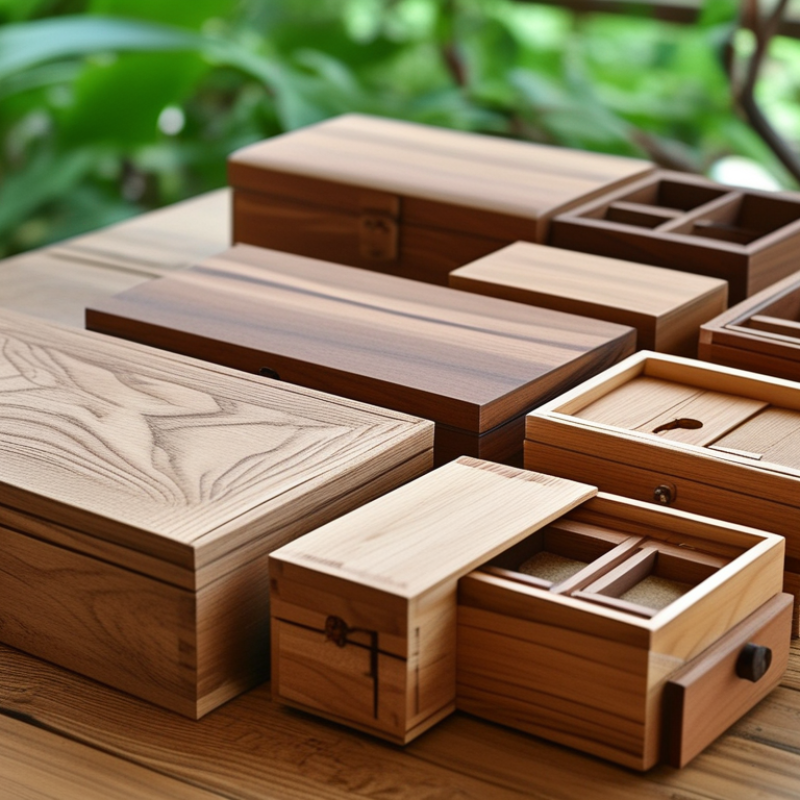
When choosing a wooden box, it's essential to understand the various types available. Each type serves unique purposes and has distinct features. For instance, a rustic wooden crate evokes a farmhouse aesthetic. It's perfect for storage in a garden or living room. These boxes often have an unfinished look, which appeals to many.
On the other hand, jewelry boxes cater to more delicate needs. They often include compartments, velvet lining, and lockable lids. These details not only protect items but also add elegance to the piece. Consider the overall design and craftsmanship here; imperfections may add character but can also detract from quality.
For practical uses, wooden storage chests provide ample space. They suit bedrooms or playrooms well. However, think about their weight and mobility. If they are too heavy, rearranging your space might become challenging. Evaluate the material quality too; low-grade wood can warp over time. Each type offers unique benefits, and selecting the right one requires thoughtful consideration of your specific needs.
Identifying Your Specific Storage or Decorative Needs
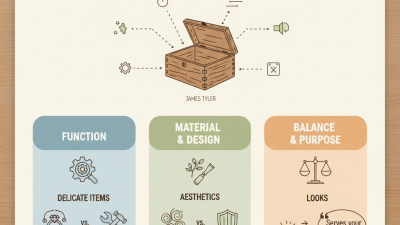
When choosing a wooden box, it's crucial to identify your specific storage or decorative needs. Consider what items you want to store. Are they delicate trinkets, documents, or perhaps larger tools? This decision will greatly influence the size and design of the box. For delicate items, opt for a box with cushioning or dividers. If you need something more robust, thicker wood will provide better protection.
The aesthetic aspect also matters. A wooden box can enhance your decor. Think about the finish and color that will complement your space. Do you prefer a rustic, vintage look, or something modern and sleek? Sometimes, the finish might not look as expected. A slightly rough texture might seem charming, but it could distract from your carefully curated decor.
Think about the box’s functionality too. Will it be used frequently? If so, a lid that’s easy to open and close will save you time. If the box is mainly for display, the design should take center stage. Reflect on these needs before you choose a wooden box. Making a list might help clarify your thoughts and priorities.
How to Choose the Best Wooden Box for Your Needs? - Identifying Your Specific Storage or Decorative Needs
| Box Type |
Material |
Dimensions (LxWxH) |
Purpose |
Price Range |
| Storage Box |
Pine |
30 x 20 x 15 cm |
General Storage |
$20 - $35 |
| Decorative Box |
Mahogany |
25 x 15 x 10 cm |
Home Decor |
$30 - $50 |
| Jewelry Box |
Oak |
20 x 15 x 10 cm |
Jewelry Storage |
$25 - $40 |
| Gift Box |
Birch |
22 x 22 x 12 cm |
Gift Giving |
$15 - $25 |
Considering Material Quality and Craftsmanship in Wooden Boxes
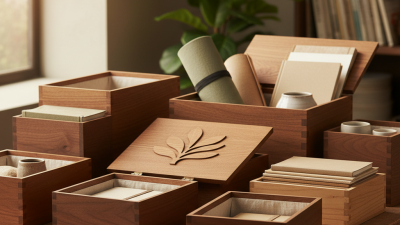
When choosing a wooden box, material quality is crucial. Solid woods like oak or walnut offer durability. They resist wear and tear better than softwoods, which can dent easily. Look for boxes with fine grain patterns. This often signals a more attractive finish. The craftsmanship should also stand out. Handcrafted boxes typically exhibit higher standards than mass-produced ones. Joinery techniques like dovetailing add strength. These features elevate the box's overall aesthetic and utility.
Pay close attention to the finishing touches. Smooth edges and a polished surface make a big difference. Check for any imperfections in the wood. Uneven surfaces could indicate rushed work. Quality craftsmanship should always be apparent. Handles, hinges, and locks matter too. They should function smoothly without sticking or wobbling. An expert builder pays attention to these details. A well-made box will last generations if cared for properly.
Consider the purpose of the box as well. Is it for storage or decoration? Unique designs may catch your eye, but functionality is key. A beautiful box that doesn’t open smoothly can be frustrating. Reflect on the materials and craftsmanship involved. This careful selection process leads to better choices, ensuring your box meets your needs.
Evaluating Size and Dimensions for Practical Use
When selecting a wooden box, size and dimensions are crucial. Think about what you plan to store. Does it need to hold tools, toys, or keepsakes? Each item will dictate different size requirements that the box must accommodate. A box that is too small will leave items crowded. Conversely, one that is too large can waste space.
Tips: Measure your items before making a choice. Write down their dimensions. This will provide a clear reference point. Always consider a little extra space for flexibility. Rounded edges can also maximize storage efficiency.
Remember, the box's purpose shapes its ideal size. Are you using it for display or for storage? For a display, a more decorative shape may suit your needs. If functionality is your focus, opt for a rectangular box, as it typically houses more items effectively. Reflect on how often you'll access the box. Too narrow an opening can be frustrating. Adjust your size choices accordingly.
Assessing Price vs. Value: Making a Smart Purchase Decision
When selecting a wooden box, balancing price and value is essential. Reports indicate that quality wooden boxes can range from $10 to over $100, depending on craftsmanship and materials. A low-cost option might seem appealing, but it often lacks durability. A study by the Timber Research and Development Association suggests that investing in quality can yield longer-term savings.
Consider the function of the box before buying. Will it store delicate items, or serve as decoration? A box designed for aesthetic appeal may be pricier. However, it might not withstand daily use. It's crucial to assess the intended purpose and choose accordingly. Remember, a beautiful box that splits in a year might not justify its cost.
Sustainability matters too. Many consumers are opting for eco-friendly wooden boxes. These can sometimes demand a higher price. The Global Eco-Friendly Products Market is projected to grow significantly, indicating a shift in buyer priorities. Noticing these trends can inform your decision-making process. Reflect on what truly matters to you—style, sustainability, or function.