Why Cardboard Boxes Are Essential for Sustainable Packaging Solutions
In the quest for sustainable packaging solutions, cardboard boxes have emerged as a cornerstone of eco-friendly practices. According to Dr. Emily Sullivan, an expert in sustainable materials, "The versatility and recyclability of cardboard boxes not only reduce waste but also significantly lower our carbon footprint." This statement encapsulates the growing recognition of cardboard boxes as not just packaging materials, but as integral components of a circular economy.
The rise in consumer awareness regarding environmental issues has prompted many companies to reevaluate their packaging strategies. Cardboard boxes, made from renewable materials and designed for easy recycling, present an opportunity for businesses to align their operations with sustainable principles. Their biodegradable nature further highlights their importance, as they can decompose naturally without contributing to landfill pollution.
As we delve into the reasons why cardboard boxes are essential for sustainable packaging solutions, it is clear that their role goes beyond mere functionality. They represent a tangible commitment to reducing environmental impact and promoting sustainability in packaging, echoing the sentiments of industry experts like Dr. Sullivan.
The Role of Cardboard Boxes in Sustainable Packaging Practices
Cardboard boxes play a pivotal role in sustainable packaging practices, serving as an environmentally friendly alternative to plastic materials. According to a report by Smithers Pira, the global market for sustainable packaging is projected to reach $500 billion by 2025, with cardboard packaging solutions gaining significant traction due to their recyclability and biodegradability. Cardboard is made from renewable resources, primarily wood pulp, which can be replenished, thus promoting a circular economy. This aligns with the growing consumer demand for greener products and packaging solutions.
Moreover, the environmental benefits of cardboard extend beyond its production. A study from the American Forest & Paper Association indicates that in 2018, 68% of all paper and cardboard packaging was recycled, contributing to a reduced carbon footprint. Embracing cardboard packaging can significantly reduce waste, as it is often easier to recycle compared to plastic, which can take hundreds of years to decompose. By opting for cardboard, companies not only mitigate their environmental impact but also appeal to eco-conscious consumers who prioritize sustainability in their purchasing decisions.
Why Cardboard Boxes Are Essential for Sustainable Packaging Solutions
| Dimension |
Description |
Environmental Impact |
Recyclability |
Sourcing |
| Material |
Made from renewable resources |
Reduces carbon footprint by using less energy |
100% recyclable |
Sourced from sustainable forestry |
| Biodegradability |
Breaks down naturally in the environment |
Reduces landfill waste |
Yes, within a few months |
N/A |
| Energy Consumption |
Lower production energy compared to plastic |
Less fossil fuel dependency |
N/A |
Utilizes recycled materials |
| Cost Efficiency |
Affordable compared to other packaging materials |
Encourages green practices |
N/A |
Can be sourced locally |
| Versatility |
Adaptable to various product shapes |
Reduces need for additional packaging |
N/A |
Available in various thicknesses |
Environmental Benefits of Using Cardboard Over Plastic Packaging
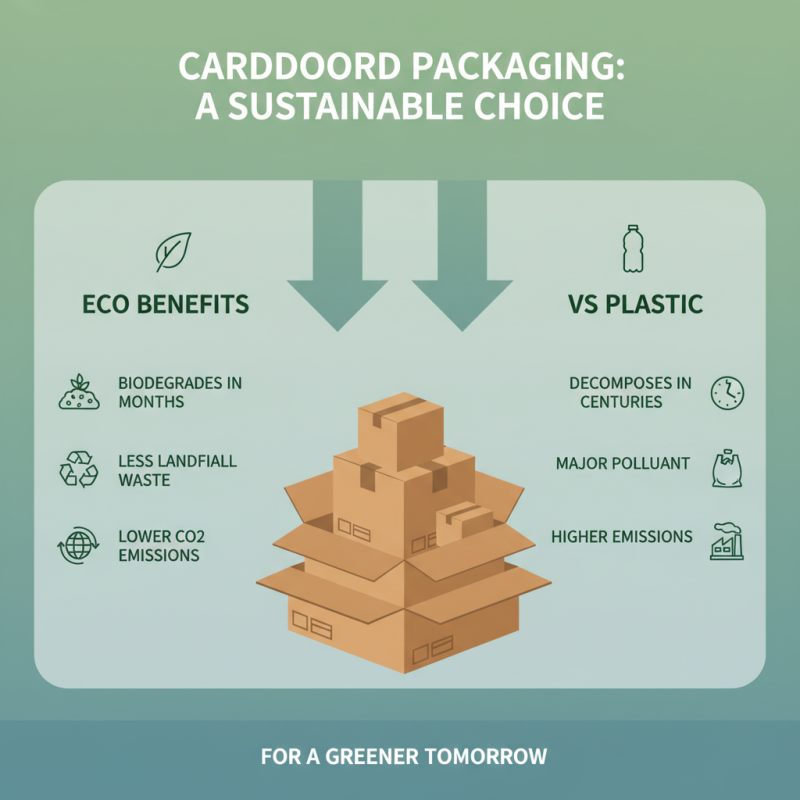
Cardboard boxes have emerged as a vital player in the quest for sustainable packaging solutions, especially when measured against conventional plastic options. One of the most significant environmental benefits of cardboard is its biodegradability. Unlike plastic, which can take hundreds of years to decompose, cardboard breaks down naturally in a matter of months. This feature reduces landfill accumulation and minimizes the overall ecological footprint of packaged goods. Additionally, the production of cardboard generally results in lower greenhouse gas emissions compared to plastic manufacturing, making it a more climate-friendly choice for consumers and businesses alike.
When transitioning to cardboard packaging, consider these tips: opt for recycled cardboard whenever possible to further reduce resource consumption, and ensure that your cardboard is sourced from sustainably managed forests. These practices not only support environmental stewardship but also reinforce the circular economy by promoting the reuse of materials. By making these conscious choices, individuals and companies can significantly contribute to a healthier planet while still achieving their packaging needs.
Moreover, cardboard is versatile and can be customized to fit various products, proving that sustainability does not sacrifice functionality. By utilizing cardboard boxes, businesses can align their packaging strategies with eco-friendly practices, appealing to the growing consumer demand for sustainable products. As awareness increases around environmental issues, switching to cardboard becomes not just an ethical choice but also a competitive advantage in the market.
Economic Advantages of Choosing Cardboard Boxes for Businesses
The economic advantages of choosing cardboard boxes for businesses are substantial. First and foremost, cardboard is a cost-effective material that offers an affordable solution for packaging needs. The production of cardboard involves relatively low manufacturing costs, which can translate to significant savings for businesses. Additionally, the lightweight nature of cardboard reduces shipping expenses, allowing companies to optimize logistics and lower overall operational costs. This is especially beneficial for small to medium-sized businesses looking to maintain a competitive edge without sacrificing quality.
Moreover, choosing cardboard boxes can enhance a brand's sustainability profile, which is increasingly important to consumers and businesses alike. As public awareness of environmental issues rises, companies adopting eco-friendly practices can attract a more conscientious customer base. Cardboard is recyclable and biodegradable, aligning with eco-conscious trends and regulations. This not only fosters goodwill among consumers but can also result in lower waste disposal costs. Furthermore, businesses that prioritize sustainability may enjoy tax incentives and other financial benefits, strengthening their economic position in a market that increasingly values environmental responsibility. Overall, the economic advantages of utilizing cardboard boxes extend beyond mere packaging to encompass improved brand loyalty and financial viability.
Innovative Designs and Technologies in Cardboard Packaging Solutions
Cardboard packaging has rapidly evolved, incorporating innovative designs and technologies that enhance sustainability while meeting the demands of modern consumers. A notable trend is the move towards minimalist packaging, which not only reduces material usage but also appeals to eco-conscious buyers. According to a report by Smithers Pira, the global market for sustainable packaging is projected to reach $500 billion by 2027, with cardboard leading the charge due to its recyclability and biodegradability. Companies are now exploring advanced printing techniques and digital design technologies that allow for creative, eye-catching packaging solutions without compromising their environmental integrity.
In addition to aesthetic advancements, the inclusion of smart technologies is shaping the future of cardboard packaging. For example, integrating QR codes and NFC chips can enhance customer engagement and provide insights into supply chain logistics. A study from Mordor Intelligence shows that smart packaging solutions are expected to grow at a rate of 7.4% annually between 2021 and 2026. This merges sustainability with functionality, offering brands a way to track their products while reducing waste.
Tips: When choosing cardboard packaging, consider brands that utilize post-consumer recycled materials. This not only lowers carbon footprints but also emphasizes a commitment to sustainability. Additionally, explore options for custom designs that minimize excess material and promote brand identity while still being eco-friendly.
Recycling and Reusability: The Lifecycle of Cardboard Boxes
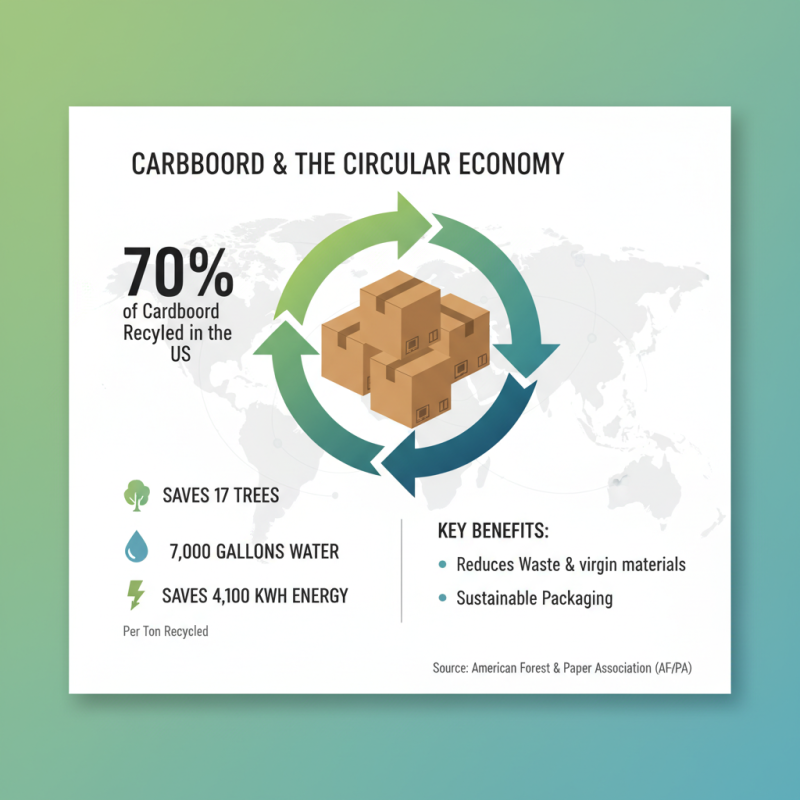
Cardboard boxes play a pivotal role in the circular economy, primarily due to their recyclability and reusability. According to data from the American Forest & Paper Association, about 70% of cardboard is recycled in the United States, significantly contributing to waste reduction and resource conservation. Each ton of recycled cardboard saves approximately 17 trees, 7,000 gallons of water, and 4,100 kilowatts of energy. This impressive recycling rate underscores the importance of cardboard as a sustainable packaging option, reducing reliance on virgin materials and fostering a more environmentally friendly supply chain.
Moreover, the reusability of cardboard boxes extends their lifecycle, allowing businesses to adopt more sustainable practices. Many companies now encourage customers to return packaging for reuse, which not only minimizes waste but also instills a sense of responsibility within consumers. A report from the Ellen MacArthur Foundation highlights that increasing the longevity of cardboard through reuse could result in a potential reduction of carbon emissions by up to 30%. This multifaceted approach to sustainability showcases how cardboard boxes are not just a temporary solution but a vital component of an environmentally responsible packaging strategy, aligning perfectly with global goals for a greener future.