What is a Cardboard Box and Its Uses in Shipping?
In the shipping industry, the cardboard box plays a crucial role. According to John Smith, a leading expert in packaging materials, "Cardboard boxes are essential for protecting goods during transit." His insights highlight the significance of this simple yet effective packaging solution.
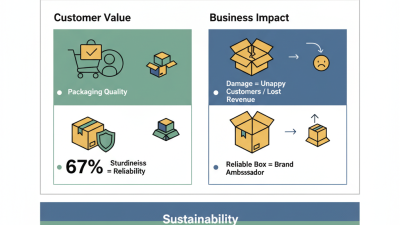
Cardboard boxes are versatile and widely used. They are lightweight, cost-effective, and recyclable. Many businesses rely on them to ensure their products arrive safely. However, not all cardboard boxes are created equally. Some may lack strength or durability, leading to damaged items and lost revenue.
Despite their importance, companies often choose cheaper materials without considering the long-term impact. This decision can lead to unforeseen challenges in the shipping process. Striking the right balance between cost and quality is crucial for ensuring that products are securely packed and delivered. The cardboard box remains an integral part of the shipping landscape, yet it requires careful selection and consideration.
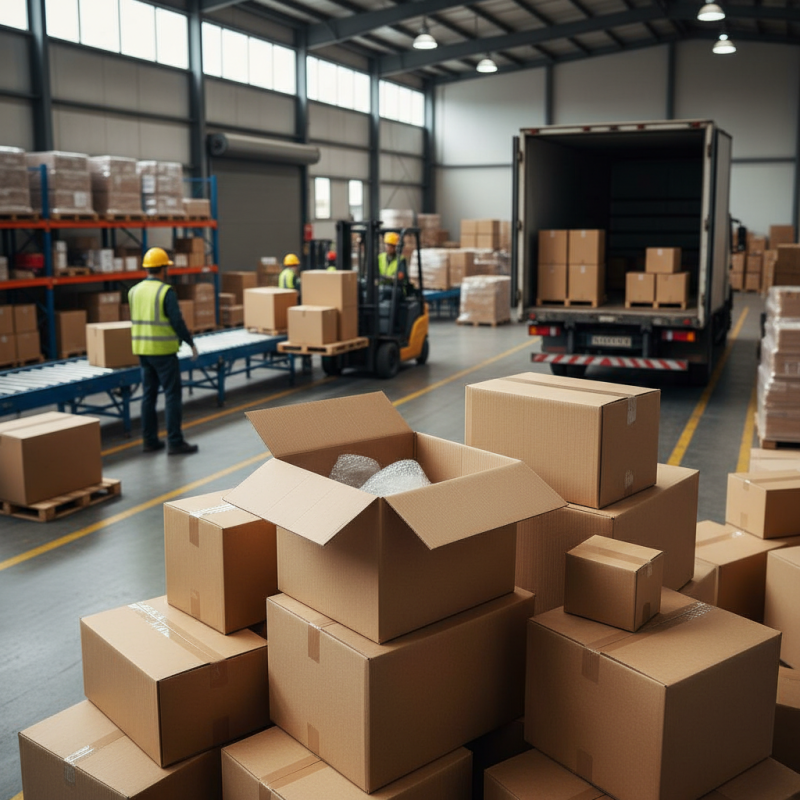
Definition of Cardboard Box and Its Composition
A cardboard box is a versatile packaging solution widely used in shipping. It is typically made from layers of paper pulp, creating a sturdy yet lightweight structure. The composition often includes a fluted middle layer between two flat outer layers, providing strength and protection. This design allows cardboard boxes to withstand pressure and stacking during transportation.
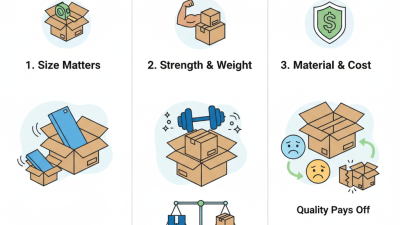
When selecting a cardboard box, consider its size and purpose. Different sizes suit various items, from small electronics to larger furniture. Choosing the right size prevents damage and optimizes shipping costs.
Tips: Always check the box’s weight capacity. Overloading can lead to box failure. If unsure about the durability, look for boxes labeled with the appropriate strength specifications.
Additionally, cardboard boxes are recyclable and eco-friendly. This sustainable aspect makes them a popular choice for businesses aiming to reduce waste. However, improper disposal can hinder recycling efforts. Ensure you flatten the boxes and separate them from regular trash for effective recycling.
Tips: Encourage others to recycle their boxes. Start a community initiative or share knowledge about recycling benefits. Your efforts can inspire others to take part in sustainable practices.
Historical Development of Cardboard Boxes in Shipping
The history of cardboard boxes in shipping dates back to the early 19th century. At that time, traditional wooden crates were common for packing goods. However, wooden crates were expensive and heavy. This made transportation costly and inefficient. In the 1850s, Joseph C. McCoy introduced a new packaging method. He created folds in paper to form sturdy boxes.
By the mid-1900s, cardboard manufacturing improved significantly. The process became faster and cheaper. Factories began producing corrugated cardboard, which added strength and durability. This innovation allowed for better protection of fragile items during shipping. The lightweight nature of cardboard boxes also reduced shipping costs.
In the late 20th century, the use of cardboard boxes exploded. Businesses recognized their benefits for both local and international shipping. However, not all cardboard boxes met quality standards. Many were still prone to moisture damage and tears. This prompted further advancements in cardboard technology. Companies began to prioritize sustainability and recycled materials, reflecting a shift towards eco-friendly practices.
Advantages of Using Cardboard Boxes for Shipping Goods
Cardboard boxes have transformed the shipping industry significantly. Their lightweight nature lowers shipping costs. According to the Fiber Box Association, over 90% of products shipped in the U.S. use cardboard boxes. This makes them an essential component for businesses, especially e-commerce, which has surged in recent years.
One major advantage of cardboard boxes is their ability to protect goods. The cushioning properties of corrugated cardboard reduce the risk of damage during transit. A study from the Packaging Association indicated that approximately 30% of products are damaged during shipping. Using cardboard boxes can drastically lower this percentage. Their customizable sizes also ensure that items fit snugly, minimizing movement and potential harm.
Moreover, cardboard boxes are environmentally friendly. They are recyclable and often made from recycled materials. The EPA reports that recycling cardboard can save over 24 million trees annually. However, improper disposal remains a challenge. Not all consumers are mindful of recycling practices. Businesses need to consider these factors while promoting sustainability. In an era where consumers prioritize eco-friendly products, cardboard boxes offer an impactful solution.
Common Types of Cardboard Boxes and Their Uses
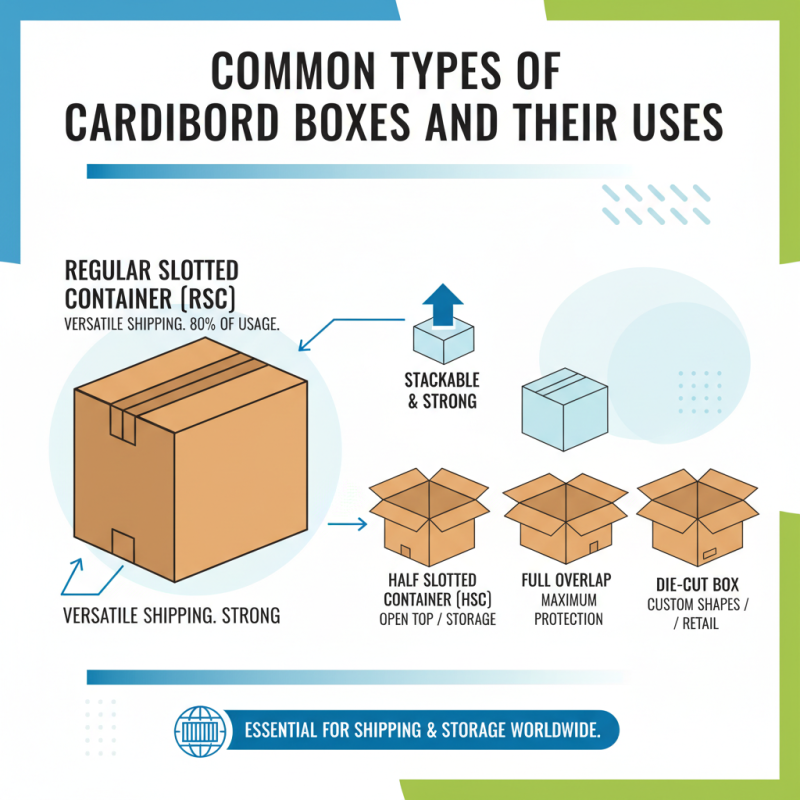
Cardboard boxes are ubiquitous in the shipping industry. Various types serve different purposes. One common type is the regular slotted container (RSC). It is ideal for shipping a wide range of products. This design provides strength and stability, key qualities for safe transportation. According to the North American Paperboard Packaging Environmental Council, RSCs make up about 80% of all corrugated boxes used in the U.S. Their ability to be stacked also saves space in warehouses.
Another popular type is the die-cut box. These are customized shapes designed for specific items. They offer a snug fit, reducing movement and potential damage during transit. Industry reports indicate that using die-cut boxes can lower shipping costs by up to 30%. However, the challenge lies in ensuring that the box size aligns with the product dimensions. A mismatch can lead to increased shipping charges and product damage.
Lastly, the heavy-duty box, constructed from thicker materials, is essential for shipping heavier items. Despite their advantages, they may not always be necessary for lighter products. Overusing these boxes can lead to unnecessary waste. This oversight highlights the need for careful planning in packaging choices. Selecting the right box can enhance efficiency in shipping and reduce environmental impact.
Best Practices for Packing and Shipping in Cardboard Boxes
Shipping products efficiently requires proper packing techniques. Cardboard boxes are popular due to their versatility and reliability. According to the Fibre Box Association, the cardboard box market has grown by approximately 3% annually. This rise underscores the importance of effective packing practices.
When packing items in cardboard boxes, consider the weight distribution. Uneven weight can compromise the box's integrity during transit. A study by the International Safe Transit Association emphasizes that improper packing can lead to damage, costing companies billions each year. Use appropriate cushioning materials. Bubble wrap and foam sheets protect fragile items. Additionally, ensure boxes are sealed securely with packing tape to prevent materials from shifting.
It's crucial to label boxes clearly. Mislabeling can lead to delays and confusion in delivery. An estimated 1 in 10 packages are incorrectly sorted due to poor labeling, according to logistics experts. Regularly review packing procedures. Small adjustments can lead to significant improvements in efficiency and safety. Aim for a balance between protecting your items and minimizing materials used. The shipping process should be both effective and environmentally conscious.
What is a Cardboard Box and Its Uses in Shipping?
| Dimension |
Material Type |
Weight Capacity (lbs) |
Common Uses |
| 12 x 12 x 12 inches |
Single-Wall |
30 |
Small electronics, home goods |
| 18 x 18 x 18 inches |
Double-Wall |
50 |
Books, bulky items |
| 24 x 24 x 24 inches |
Triple-Wall |
70 |
Heavy machinery parts, large equipment |
| 10 x 10 x 10 inches |
Single-Wall |
25 |
Gift items, small decorations |
| 20 x 20 x 20 inches |
Double-Wall |
65 |
Clothing, medium electronics |