What is a Cardboard Box and Its Uses in Daily Life?
Cardboard boxes are a common yet often overlooked item in daily life. We encounter them everywhere, from moving houses to packaging goods. Despite their simplicity, these boxes serve many practical uses. They are lightweight, recyclable, and durable, making them ideal for various applications.
In homes or offices, a cardboard box can organize clutter. It stores items like old books or seasonal decorations. Many people use them for shipping products. Businesses rely on cardboard boxes for safe transit. However, not all boxes are created equal. Some may lack sturdiness or the right size for specific needs.
Beyond storage and shipping, cardboard boxes inspire creativity. They can be transformed into toys or storage solutions. Yet, the ease of obtaining these boxes might lead to over-reliance. People may forget to recycle properly, contributing to waste. A deeper look at the cardboard box reveals its significance in both function and sustainability.
Definition and Structure of Cardboard Boxes
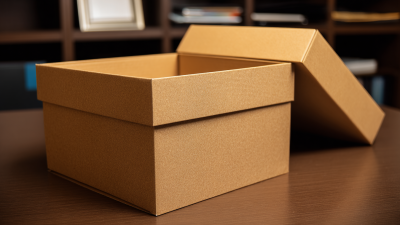
Cardboard boxes are simple yet vital items in our daily lives. They are made from fluted paper sandwiched between two liners. This structure gives them strength and durability. The design is lightweight, making it easy to handle. Despite their sturdiness, they are often overlooked until needed.
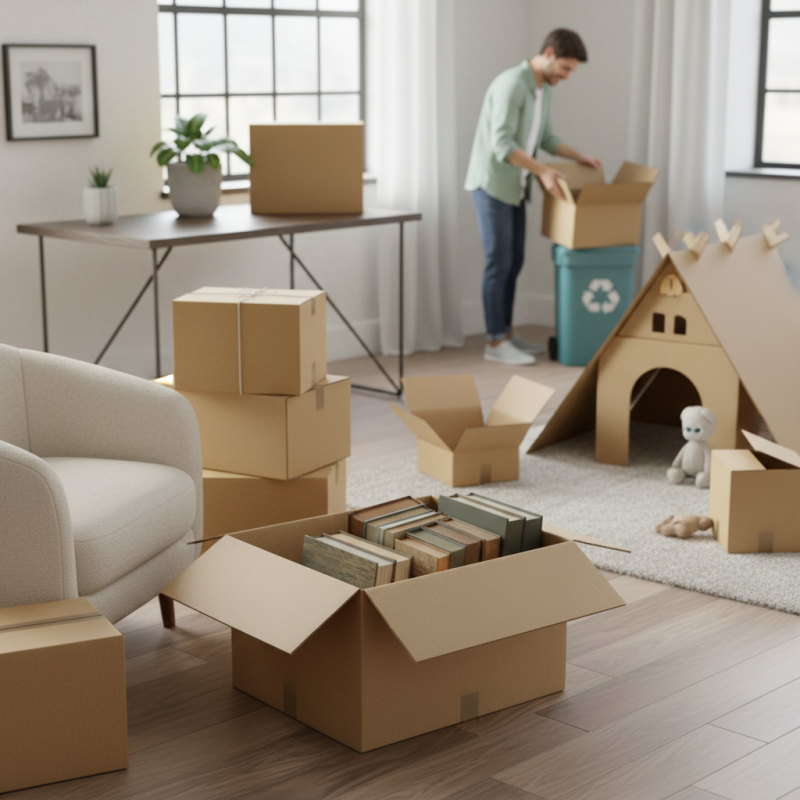
In homes, cardboard boxes serve various purposes. They can store clothes, toys, and other household items. Many use them for moving, packing belongings safely. They are easy to label. However, not all boxes are created equal. Some may tear easily. Others might be too small or too large. Measuring before packing is essential, yet often forgotten.
Cardboard boxes also play a role in recycling. After use, they can be flattened and reused. This reduces waste and promotes sustainability. But often, they end up in landfills. People may neglect proper disposal. Creating awareness of recycling practices is necessary. It’s a small step, but it can make a big difference.
Common Materials Used in Cardboard Box Production
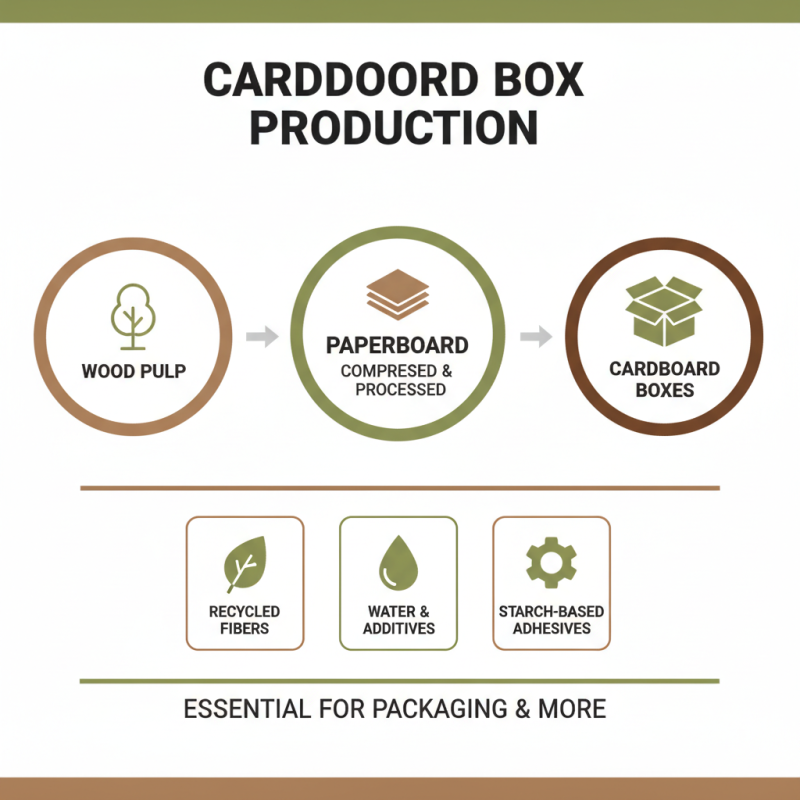
Cardboard boxes are essential in everyday life. Their production relies on several materials, each contributing to their effectiveness. The most common raw material is paperboard. This is derived from wood pulp, which is processed and compressed. The result is a sturdy, lightweight material.
Recycled materials play a vital role too. Using post-consumer waste minimizes environmental impact. Many boxes incorporate a mix of virgin and recycled fibers. This practice promotes sustainability while maintaining box strength.
Adhesives and coatings are often added during production. These help improve durability and moisture resistance. In some cases, these materials may affect recyclability. This raises questions about long-term sustainability. Without careful consideration, these choices can lead to waste. Balancing functionality and eco-friendliness is often overlooked. Yet, it's crucial for responsible manufacturing.
Everyday Uses of Cardboard Boxes in Home and Office
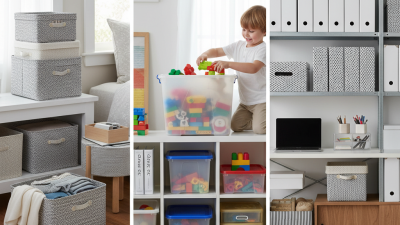
Cardboard boxes are more than just packaging. They serve many practical purposes in our daily lives. At home, they can be transformed into storage solutions. You can label them for easy organization. They can hold toys, clothes, or seasonal decorations. It's a simple way to declutter your space. Often, we overlook how they can improve our living environment.
In offices, cardboard boxes can be equally useful. They are perfect for sorting paperwork or supplies. You can create a filing system that makes finding documents easier. Many businesses recycle these boxes, reducing waste. However, we sometimes forget to do that. It’s crucial to think about sustainability in our choices. Using cardboard can simplify both our homes and workspaces. Yet, we might buy new items when simple solutions exist. Reflecting on how we use cardboard can lead to better organization.
Everyday Uses of Cardboard Boxes in Home and Office
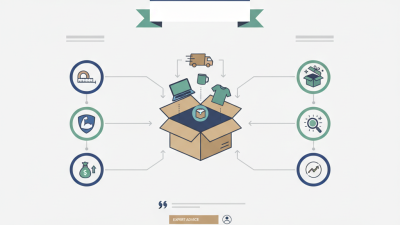
This chart illustrates the various everyday uses of cardboard boxes in home and office settings, showing how often they are utilized for storage, shipping, organizing, packing, and crafting.
The Role of Cardboard Boxes in Shipping and Packaging Industries
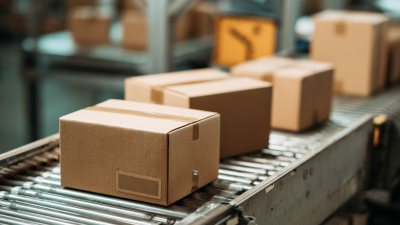
Cardboard boxes play a vital role in shipping and packaging industries. They are lightweight yet durable. This combination makes them ideal for transporting goods of all shapes and sizes. Businesses often choose cardboard because it is cost-effective. It offers protection during transit and is easy to stack. However, not all cardboard boxes are created equal, and sometimes they are not strong enough for heavy items.
In the packaging world, cardboard boxes are versatile. They can be customized to fit products perfectly. This reduces movement inside the box, minimizing damage. Yet, there are times when a box may be too large or small. Such mistakes lead to waste. Using the wrong size impacts shipping costs and can frustrate customers. The aesthetics of packaging also matter. A plain box may fail to attract buyers, despite its functionality.
Environmental concerns are becoming more significant. Cardboard is often recyclable, making it a popular choice. Still, not all companies use sustainable sources. This lack of commitment can harm the environment. It is essential for businesses to reflect on their practices. Choosing the right cardboard can enhance the shipping experience and support sustainability.
What is a Cardboard Box and Its Uses in Daily Life?
| Dimension |
Description |
Common Uses |
| Small (12"x12"x12") |
Compact box suitable for small items. |
Shipping electronics, toys, and small appliances. |
| Medium (18"x12"x12") |
Versatile box for household goods. |
Moving books, clothes, and kitchen items. |
| Large (24"x18"x18") |
Spacious box for larger items. |
Shipping furniture, large appliances, and bulk items. |
| Custom Sizes |
Boxes made to specific dimensions for unique items. |
Packaging for fragile or oddly shaped products. |
Sustainable Practices and Recycling of Cardboard Boxes
Cardboard boxes are essential in our daily lives. They hold everything from groceries to electronics. Their versatility is unmatched, but what about their
environmental impact? According to a report by the American Forest & Paper Association, about
90% of cardboard is recyclable. However, many people still discard it improperly. This leads to increased waste in landfills.
Recycling cardboard has significant benefits. It conserves resources and reduces energy consumption. For instance, producing new cardboard from recycled material uses
75% less energy. Yet, only about 60% of cardboard is recycled in the U.S. Together, we can do better. A simple habit of
separating cardboard from regular waste can make a big difference.
Sustainable practices in the use of cardboard include choosing uncoated boxes and avoiding excessive packaging. These options lessen waste, but they require a
collective effort. The global push for sustainability challenges companies to rethink their packaging. Individuals can play a role too. We must
become more mindful consumers, asking ourselves if packaging is truly necessary. The journey to sustainability isn’t perfect, but
every effort counts.