Best Jewellery Box Designs for Global Buyers in 2026?
As we look forward to 2026, the demand for exquisite jewellery boxes continues to rise. Luxury buyers across the globe seek designs that blend beauty and functionality. A well-crafted jewellery box not only protects precious items but also adds to their allure.
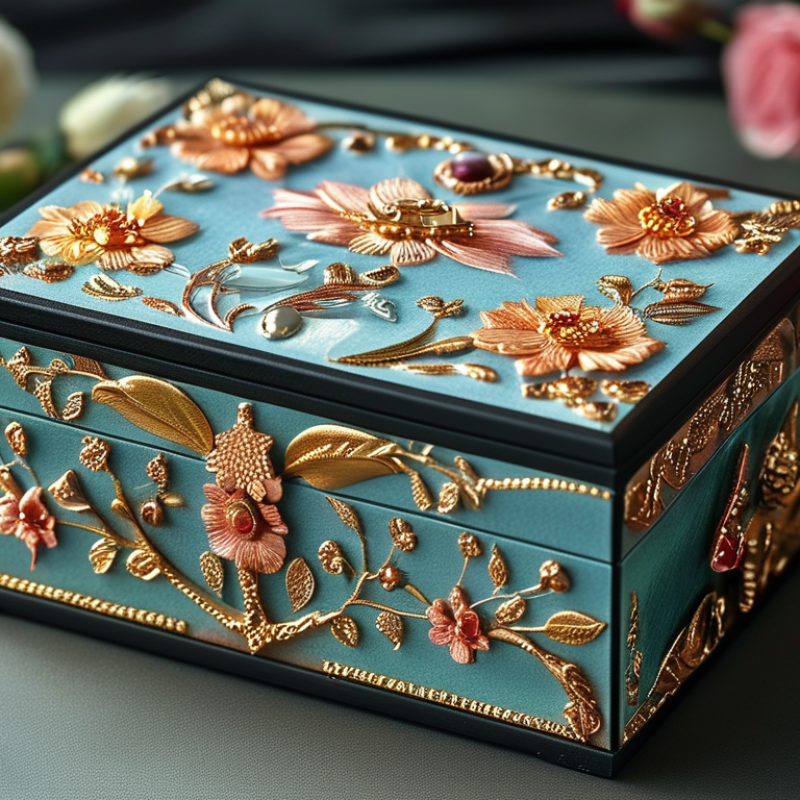
Many consumers search for unique designs that showcase cultural heritage. They desire craftsmanship that tells a story, highlighting artistry from various regions. Trends also point towards sustainable materials. Eco-friendly options resonate with buyers who value environmental responsibility.
However, the market faces challenges. Instead of simply replicating popular styles, designers struggle to innovate. Balancing tradition and modernity is no easy feat. Aspiring brands must strive for authenticity while catering to diverse tastes. This evolving landscape of jewellery boxes invites reflection on the past, present, and future.
Innovative Materials in Jewellery Box Design for 2026
The jewellery box design landscape is evolving in 2026, driven by innovative materials and sustainable practices. Research from the Global Market Insights report indicates that the global jewellery box market size is expected to reach USD 5 billion by 2026, showcasing a growing interest in unique, eco-friendly designs. As consumers become more environmentally conscious, brands are exploring materials that reduce ecological impact without sacrificing aesthetics.
One trend gaining traction is the use of biodegradable materials, such as bamboo and recycled cardboard. These options not only offer a lower carbon footprint but also cater to the demands of eco-conscious buyers. Luxury segments are also integrating materials like vegan leather, which mimics the elegance of traditional leather while ensuring animal welfare. Additionally, 3D printing technology is allowing for intricate designs and personalization, promoting a shift from mass production to tailored creations.
Despite these advancements, challenges persist. The industry's transition to sustainable materials must address durability concerns. Many innovative designs may lack the longevity of conventional materials. There is also a risk of greenwashing, where brands might exaggerate their sustainable claims. It is vital for consumers to remain informed and discerning in their purchases, ensuring they support genuinely eco-friendly practices.
Sustainable Practices in the Production of Jewellery Boxes
Sustainable practices in the production of jewellery boxes are gaining traction among global buyers in 2026. Consumers increasingly value
eco-friendly materials and ethical sourcing. Many manufacturers are now utilizing recycled wood and biodegradable materials. Such choices minimize environmental impact while providing consumers with durable products.
The design process often includes thoughtful considerations. Artisans focus on reducing waste during production. They look at every step—cutting, shaping, and assembling. Products may be designed to be
multifunctional, promoting longevity. However, challenges remain in sourcing sustainable materials consistently. Not all suppliers adhere to eco-friendly practices.
Emerging trends include upcycled jewellery boxes. These unique pieces tell a story while reducing landfill waste. Some designs integrate local craftsmanship, supporting communities. Buyers are encouraged to reflect on their choices. Investing in sustainability can lead to a larger positive impact on the environment. The journey toward fully sustainable products is ongoing, asking for constant innovation.
Trends in Aesthetic Designs of Jewellery Boxes for Global Markets
In 2026, the global jewellery box market is evolving with innovative designs. According to market reports, the demand for aesthetically appealing jewellery boxes is increasing. Buyers prefer boxes that reflect personal style and artistry. This trend highlights the importance of design in enhancing the overall value of the jewellery.
Sustainability is a key theme in 2026. Reports indicate that 62% of consumers prioritize eco-friendly materials. This shift influences manufacturers to adopt sustainable practices. However, balancing aesthetics with eco-friendliness poses challenges. Some designs may sacrifice durability for visual appeal. Creators must find ways to integrate both elements effectively.
Artisan craftsmanship is also gaining traction. Handmade jewellery boxes, often featuring unique designs, attract buyers. Statistics reveal that artisan-made products can command higher prices. Yet, this focus on craftsmanship raises questions. How can brands ensure consistency while promoting individuality? Balancing these factors will be essential as the market progresses.
Best Jewellery Box Designs for Global Buyers in 2026
| Design Style |
Material |
Color Trends |
Target Market |
Price Range (USD) |
| Minimalist |
Wood |
Natural Tones |
Young Professionals |
50 - 150 |
| Vintage |
Metal |
Gold and Bronze |
Collectors |
100 - 300 |
| Modern Geometric |
Acrylic |
Bold Colors |
Teens and Young Adults |
30 - 100 |
| Luxury |
Leather |
Deep Jewel Tones |
Affluent Consumers |
300 - 1000 |
| Eco-Friendly |
Recycled Materials |
Earthy Colors |
Environmental Enthusiasts |
40 - 120 |
Functional Features to Enhance User Experience in Jewellery Boxes
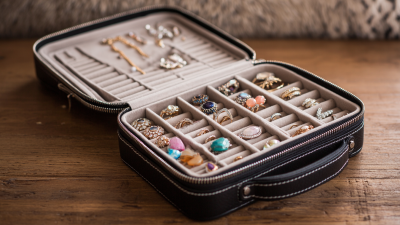
In 2026, jewellery boxes will focus on enhancing user experience with practical and thoughtful designs. Buyers will appreciate features that cater to their needs while keeping their precious items secure. For instance, compartments of varying sizes are crucial for organizing different types of jewellery. This ensures that necklaces do not tangle, and earrings stay paired together.
A removable tray can provide additional convenience. It allows for quick access to frequently used items, promoting a seamless daily routine. Consider materials that reflect personal style yet are sturdy enough for long-term use. These choices signal a blend of aesthetics and functionality, appealing to discerning global buyers.
Tips: Look for boxes with soft lining to prevent scratches. Also, a secure locking mechanism can enhance safety. Remember, it’s essential to evaluate features based on your lifestyle. If you travel often, compact designs may suit you better. Reflect on your actual needs to make a more informed decision.
Best Jewellery Box Designs for Global Buyers in 2026
Cultural Influences on Jewellery Box Design Across Different Countries
Jewellery boxes serve as both functional storage and cultural artefacts. Different cultures influence their designs in unique ways. For instance, in Japan, minimalism is key. A bento-style box often features simple lines and natural materials. This reflects a deep respect for nature. Yet, does this simplicity always meet the needs of modern users?
In contrast, Middle Eastern designs often embrace ornate features. These boxes may include intricate carvings and vibrant colors. They tell stories of heritage and craftsmanship. However, the overwhelming details can sometimes overshadow practicality. Buyers may ponder whether such beauty complicates functionality.
The fusion of traditional and contemporary styles is also emerging. Many buyers seek jewellery boxes that portray their cultural identity while accommodating current trends. This creates a dialogue between the old and the new. However, it raises questions about authenticity. How much culture gets diluted in the quest for modernity? These reflections highlight the complexities of jewellery box design in a globalized market.