2026 Best Cardboard Box Options for Global Buyers?
The cardboard box industry is evolving rapidly, catering to global buyers seeking sustainable and affordable packaging solutions. In 2022, the global cardboard box market was valued at approximately $110 billion, with projections indicating it will reach $150 billion by 2026. This growth reflects increasing demand in key sectors like e-commerce and food delivery.
A diverse range of cardboard box options is crucial for businesses. From regular slotted containers to custom designs, each type serves specific needs. However, as buyers explore these options, they often face challenges. Quality and eco-friendliness are paramount. Reports suggest that nearly 70% of consumers favor brands that prioritize sustainable packaging.
While many suppliers claim to offer the best cardboard box solutions, it is essential to research thoroughly. Not all boxes meet the same quality standards. Some may lack durability, compromising product safety during transit. Global buyers must prioritize reliable suppliers who adhere to industry regulations and sustainability practices for optimal decision-making.
Types of Cardboard Boxes Available for Global Buyers
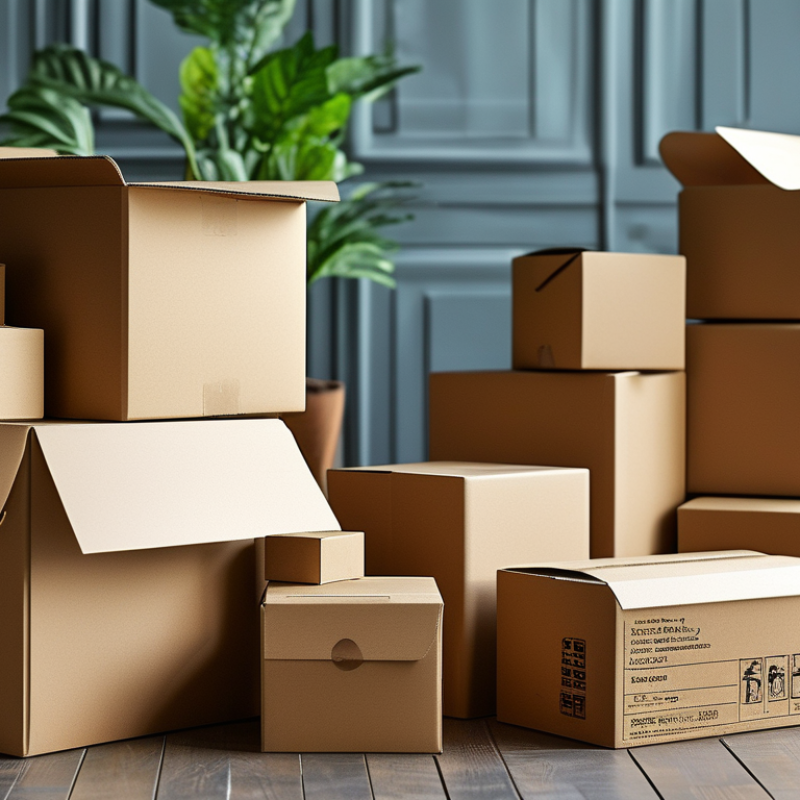
When considering cardboard box options, various types cater to different needs. Regular slotted containers (RSC) are the most commonly used. They account for 75% of the market due to their versatility. These boxes can handle heavy goods and are easy to assemble. Their standardized sizing allows for efficient storage and shipping.
Another popular option is die-cut boxes. These boxes are custom-shaped to fit specific products. They provide great protection for fragile items. According to industry reports, demand for custom boxes has increased by 20% over the last year. This trend reflects a growing emphasis on branding and presentation.
Flat boxes are also significant in the market. They are suitable for lightweight items and can quickly be assembled. However, they may not hold up under heavy weight. Sustainable options, like recycled cardboard boxes, are gaining traction. Customers increasingly prefer eco-friendly solutions. This shift aligns with global sustainability goals. Each box type has its advantages and challenges, highlighting the need for careful consideration when selecting the right packaging solution.
Key Factors to Consider When Choosing Cardboard Box Suppliers
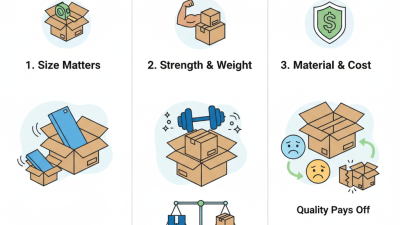
When selecting cardboard box suppliers, several critical factors significantly impact the purchasing decision. The global cardboard box market was valued at approximately $68 billion in 2020, and it continues to expand. It's crucial for buyers to assess the supplier’s reliability and quality standards. A recent industry report indicates that a lack of quality can result in a 15% increase in customer returns. High-quality boxes prevent damage during transportation and storage, which is vital for maintaining overall efficiency.
Another essential consideration is sustainability. With growing environmental concerns, over 74% of consumers are willing to pay more for eco-friendly packaging. Suppliers should provide certifications regarding their sustainable practices. However, achieving sustainability isn't always straightforward. Some suppliers may greenwash their practices. Thus, verifying claims through third-party audits is necessary. Transparency in sourcing materials also strengthens trust between suppliers and buyers.
Cost effectiveness remains a key issue, yet it's more extensive than just the price per unit. Buyers should calculate total landed costs, including shipping. According to recent studies, improper packaging can lead to a 25% increase in logistics costs. Assessing all these aspects requires careful research and due diligence. Box specifications may vary, thus considering diverse buyer needs can lead to optimal choices.
2026 Best Cardboard Box Options for Global Buyers
Top Manufacturers of Cardboard Boxes in 2026
As the demand for cardboard boxes continues to surge globally, identifying top manufacturers becomes crucial for buyers in 2026. Many companies focus on sustainable materials and innovative designs. Efficiency in production and flexibility in design are essential. Buyers require options that suit various needs, from e-commerce shipping to retail packaging.
Manufacturers must adapt to changing market trends. This means balancing cost with quality. Some firms invest heavily in eco-friendly practices. Others may struggle with maintaining inventory levels. It highlights the challenges many face in a volatile market. Checking reviews and prior performance can provide insights into a manufacturer’s reliability.
Another area to consider is customization. Many manufacturers now offer tailored solutions to meet specific customer requirements. However, this often leads to longer lead times. Buyers should weigh the benefits of customization against delivery times. Reliable communication with suppliers is essential. Transparency can greatly enhance trust and quality assurance. Keeping these factors in mind can help buyers make informed decisions in choosing the best cardboard box options.
Sustainability Trends in Cardboard Packaging Solutions
As global consumers become more eco-conscious, sustainability trends shape cardboard packaging.
Cardboard is renewable, recyclable, and biodegradable, making it a strong candidate for eco-friendly solutions. Companies are increasingly opting for recycled materials in their packaging processes. This choice reduces environmental impact and can improve brand perception among sustainability-minded consumers.
The challenge lies in sourcing high-quality recycled materials. Not all recycled cardboard meets the strength standards needed for shipping and storage. Compromises might mean thicker packaging, which negates some sustainability benefits. Innovative solutions are emerging; manufacturers are experimenting with plant-based adhesives and inks to lessen their carbon footprint. Sustainability is not just a trend; it's essential for future success.
While these developments show promise, they often face scrutiny. Many cardboard options still rely on traditional pulp extraction methods. This raises questions about deforestation and biodiversity loss. Transparency about sourcing practices is crucial. Consumers want assurance that the products they choose contribute positively to the environment.
Without accountability, even well-intentioned efforts can fall short.
Global Market Trends Influencing Cardboard Box Purchases
The cardboard box market is rapidly evolving. Global demand has surged, driven by e-commerce and sustainable packaging trends. According to Smithers Pira, the global demand for corrugated boxes is expected to reach 230 million tonnes by 2026. This growth is influenced by increasing environmental regulations. More consumers prefer eco-friendly packaging.
Sustainability is a key factor for buyers. Many companies are now opting for recyclable materials. A recent report from Statista noted that 78% of consumers prefer products with sustainable packaging. Additionally, the shift towards online shopping increases the need for robust and lightweight boxes. This shift may challenge traditional box manufacturers to innovate.
Supply chain disruptions also impact cardboard purchases. The pandemic highlighted these vulnerabilities. A survey by McKinsey revealed that 87% of supply chain leaders expect ongoing disruptions. Companies must be adaptable in sourcing materials. They should closely monitor market trends and innovations to stay competitive. Flexibility is crucial in this dynamic landscape.